في أحد أحياء العاصمة واشنطن، ظهرت منشورات غامضة لا تحمل سوى رقم هاتف ورسالة واحدة: «تخلَّ عن هاتفك الذكي». كانت هذه بداية تجربة صحفية غير عادية خاضتها الصحفية في واشنطن بوست بريتني شاماس، التي قررت الانضمام إلى مبادرة «شهر بلا إنترنت»، إذ تخلّى 17 شخصاً عن هواتفهم الذكية طيلة شهر كامل.
تحدٍّ أم تجربة مجنونة؟
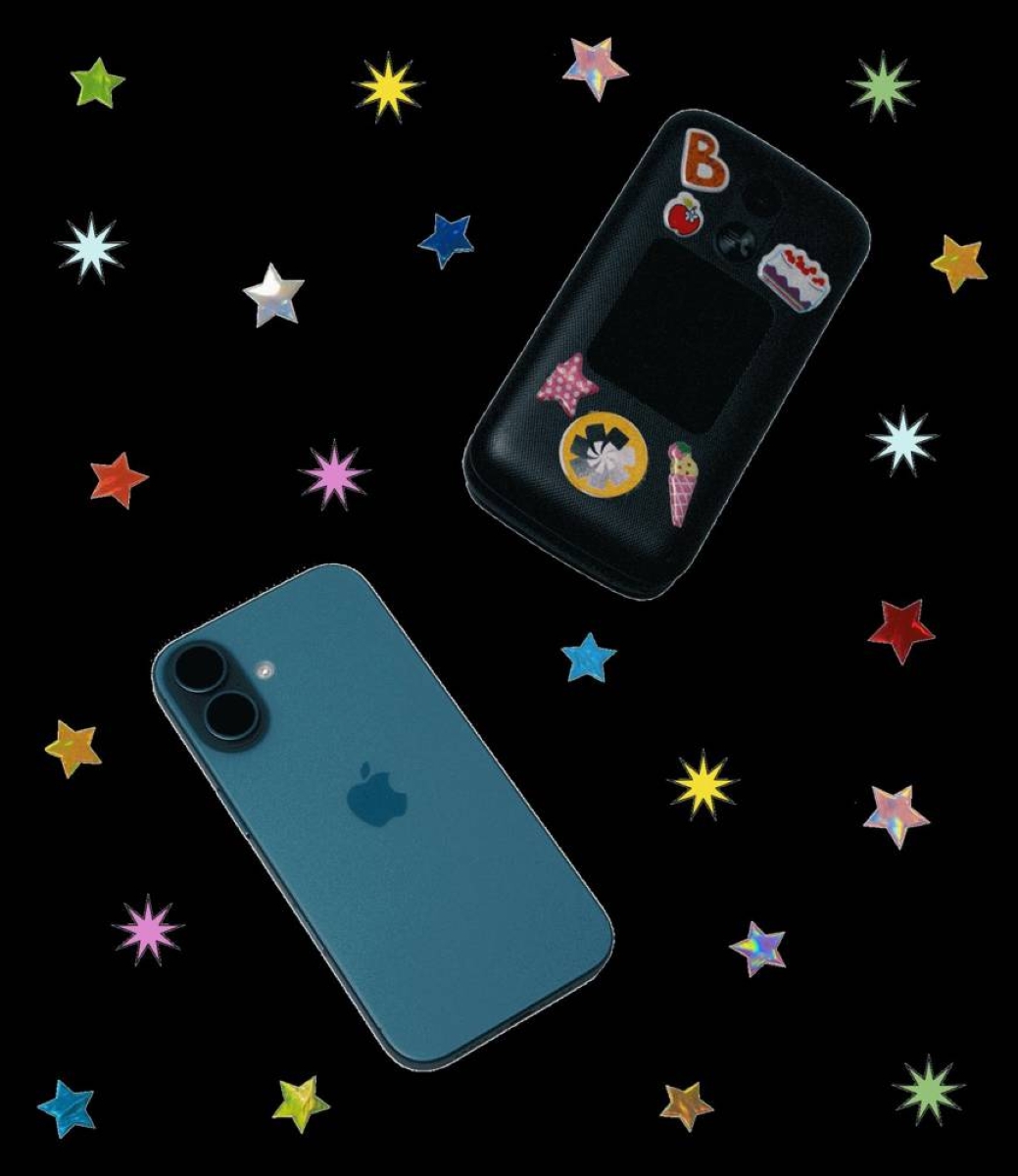
بمجرّد الاتصال بالرقم، بدأت المغامرة. تم تزويد المشاركين بهواتف قديمة من نوع TCL Flip 2، وجدول لقاءات أسبوعية، ودعم تقني من فريق يُعرف باسم "Dumb Bar"على غرار "Genius Bar" من أبل.
لحظة إطفاء الهواتف
في اللقاء الافتتاحي، طلب المنظمون من المشاركين رفع هواتفهم الذكية وإطفاءها أمام الجميع. كان المشهد أشبه بعرض فني، صاحبه تصفيق وصرخات حماس. بعد ذلك، فُتحت الصناديق الصفراء التي تحوي الهواتف الجديدة وتعليمات التحدي.
مفاجآت بلا نهاية
أحد المشاركين اكتشف فجأة أنه لا يحفظ أي رقم هاتف. لكن أخرى تعمل أخصائية نفسية أدركت كم كانت تُخفي مشاعرها خلف الشاشة. أمّا الصحفية، فوجدت نفسها محاصرة على شرفة منزلها بعد أن نسيت الهاتف بالداخل: فلا تطبيقات، ولا مصابيح، ولا «سيري» ينقذها!
غش مرتين فقط!
رغم الالتزام، اعترفت الصحفية باستخدام هاتفها الذكي مرتين فقط: عندما مرض طفلها، وعندما أضاعت طريقها إلى محكمة في فيرجينيا. لكنها تعلّمت الدرس: ليس من السهل أن تعود للحياة «القديمة»، لكنها ليست مستحيلة.
مفاتيح للحرية الذهنية
خلال الشهر، توقفت الصحفية عن استخدام التطبيقات، أنفقت صفر دولار على التسوّق الإلكتروني، وقرأت روايات ضخمة كانت تؤجلها منذ سنوات. والأهم؟ أنها استيقظت كل يوم دون أن تمد يدها إلى الهاتف، بل إلى ابنها.
هل نعيش في سجن رقمي؟
عبر هذا التحدي، بدأت التساؤلات تتكاثر: هل أصبحت حياتنا مرهونة بالإشعارات؟ هل التكنولوجيا تُسكت عقولنا؟ وهل آن الأوان لنستعيد الواقع الحقيقي ونتحرّر من وهم الاتصال الدائم؟
بعد شهر.. هل تغيّر شيء؟
مع انتهاء التحدي، عاد بعض المشاركين لهواتفهم الذكية، لكن مع قواعد جديدة. الكاتبة نفسها قلّلت وقت الشاشة بمعدل الثلث، وأبقت هاتفها القديم في الدرج، فقط في حال أرادت «الهروب المؤقت» من العالم الرقمي.
In one neighborhood of Washington, D.C., mysterious flyers appeared bearing only a phone number and a single message: “Give up your smartphone.” This was the beginning of an unusual journalistic experiment undertaken by Washington Post reporter Britney Shamas, who decided to join the “Month Without Internet” initiative, where 17 people gave up their smartphones for an entire month.
Challenge or Crazy Experiment?
Upon calling the number, the adventure began. Participants were provided with old TCL Flip 2 phones, a schedule of weekly meetings, and technical support from a team known as “Dumb Bar,” akin to Apple’s “Genius Bar.”
Moment of Turning Off the Phones
At the opening meeting, organizers asked participants to raise their smartphones and turn them off in front of everyone. The scene resembled an art performance, accompanied by applause and excited shouts. After that, the yellow boxes containing the new phones and challenge instructions were opened.
Endless Surprises
One participant suddenly discovered that he didn’t have any phone numbers saved. But another, a psychologist, realized how much she had been hiding her feelings behind the screen. As for the journalist, she found herself trapped on her balcony after forgetting her phone inside: no apps, no lights, and no “Siri” to save her!
Cheating Only Twice!
Despite the commitment, the journalist admitted to using her smartphone only twice: when her child got sick and when she got lost on her way to a court in Virginia. But she learned the lesson: it’s not easy to return to the “old” life, but it’s not impossible.
Keys to Mental Freedom
During the month, the journalist stopped using apps, spent zero dollars on online shopping, and read massive novels she had been postponing for years. And the most important? She woke up every day without reaching for her phone, but rather for her son.
Are We Living in a Digital Prison?
Through this challenge, questions began to multiply: Have our lives become tied to notifications? Does technology silence our minds? Is it time to reclaim real reality and free ourselves from the illusion of constant connectivity?
After a Month... Has Anything Changed?
With the challenge ending, some participants returned to their smartphones, but with new rules. The writer herself reduced her screen time by a third and kept her old phone in the drawer, just in case she wanted a “temporary escape” from the digital world.