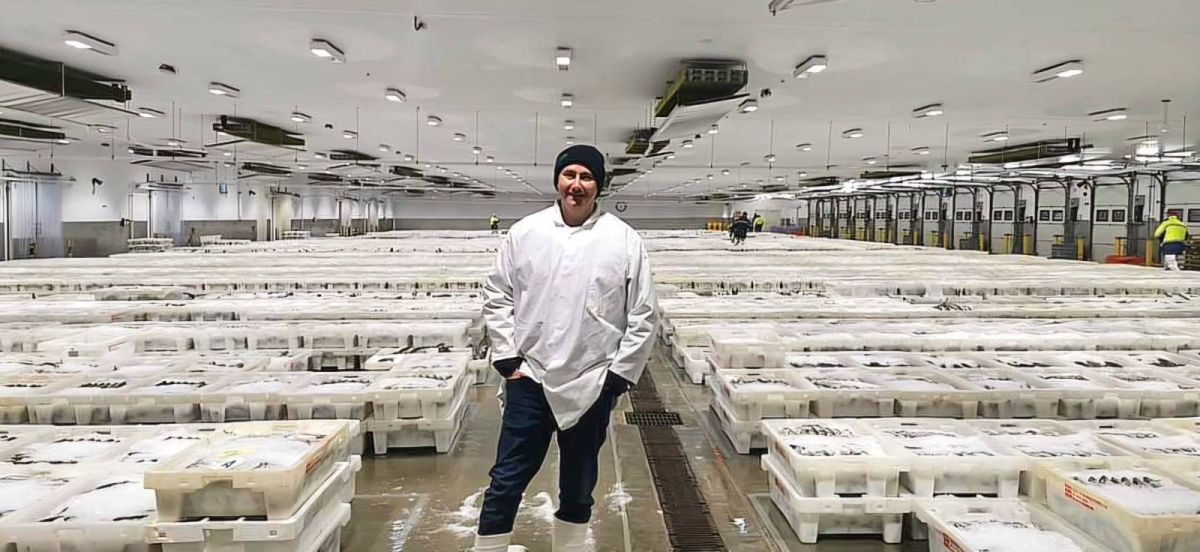
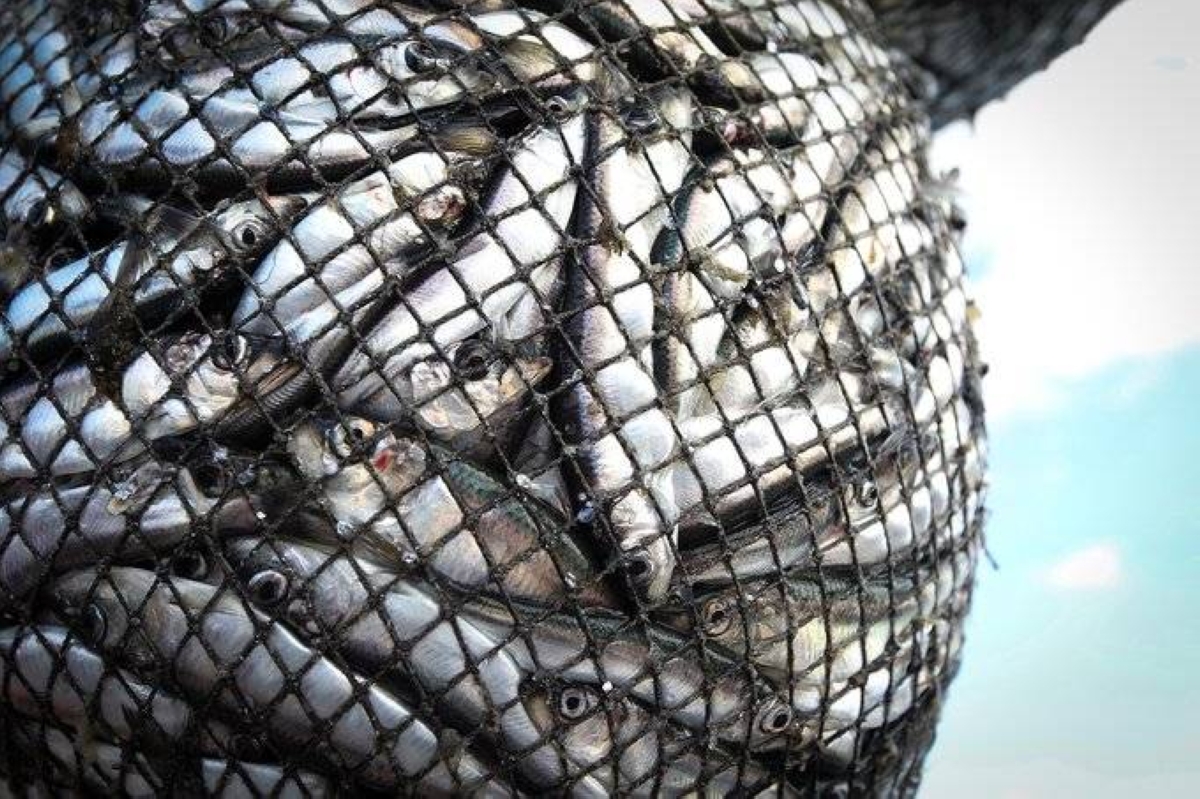
في خطوة قد تعيد تشكيل مستقبل الصيد البريطاني، حذر علماء بحريون رفيعو المستوى، اليوم، من أن بريطانيا تواجه كارثة إبادة جماعية لأسماك القد في بحر الشمال، وهو منطقة صيد رئيسية لبريطانيا ودول أوروبية أخرى مثل هولندا والدنمارك، مطالبين بوقف فوري وكامل للصيد لمدة لا تقل عن ثلاث سنوات.
وجاء هذا التحذير في تقرير مشترك من معهد البيئة البحرية في بيلبي والمركز البريطاني للصيد المستدام، بعد بيانات صادمة تكشف انخفاض أعداد القد بنسبة 70% خلال العقد الماضي، مما يهدد ليس فقط التراث البيئي بل أيضا آلاف الوظائف في المجتمعات الساحلية.
وتعتبر أسماك القد واحدة من أكثر الأنواع التجارية أهمية في بحر الشمال، إذ تشكل نحو 20-30% من إجمالي الصيد البريطاني في المنطقة، بقيمة اقتصادية تصل إلى مليارات الجنيهات الإسترلينية سنويا، وتوفر فرص عمل لأكثر من 12000 صياد في الموانئ البريطانية مثل غريسموث وبيلفاست.
ومع ذلك، تعاني الأنواع من انخفاض حاد في الأعداد بسبب الصيد المفرط، التغير المناخي، والتلوث، مما أدى إلى تصنيفها كـ«مهددة بالانقراض» من قبل الاتحاد الدولي للحفاظ على الطبيعة منذ عام 2010.
وبدأت الأزمة في السبعينيات مع «حرب القد» بين بريطانيا وآيسلندا، إذ أغلقت آيسلندا مياهها الإقليمية، مما دفع إلى اتفاقيات دولية تحت مظلة منظمة الصيد الأطلسي الشمالي، والاتحاد الأوروبي (قبل بريكست)، وبعد بريكست في 2020، استردت بريطانيا سيطرتها على صيد بحر الشمال، لكن الحصص السنوية (التي حددتها اللجنة الدولية للصيد في بحر الشمال) انخفضت بنسبة 40% منذ 2015، من 32000 طن إلى أقل من 20000 طن في 2024.
وفي عام 2023، أظهرت تقارير انخفاضا بنسبة 60% في أعداد البالغين، مع تحذيرات من «انهيار بيئي» إذا لم يتم اتخاذ إجراءات فورية، واليوم، يُقدر أن 70% من الأسماك المصطادة في المنطقة هي صغيرة غير ناضجة، مما يهدد التوازن البيئي للبحر، بما في ذلك تأثير على أنواع أخرى مثل الهادوك والسلطان إبراهيم.
وقال الدكتورة إيما ويليامسون، عالمة الأحياء البحرية الرئيسية في معهد البيئة البحرية في بيلبي، إنه «إذا استمر الصيد بالوتيرة الحالية، ستصبح أسماك القد ذكرى تاريخية بحلول 2030» مضيفة: «لا نتحدث عن خسارة بيئية فحسب، بل عن انهيار اقتصادي: صناعة تُساهم بـ1.2 مليار جنيه إسترليني سنويا، وتوظف عائلات منذ قرون، على وشك الزوال».
وتأتي الدعوة في وقت حساس، مع اقتراب قمة الصيد الدولية في لندن الأسبوع القادم، إذ ستجتمع بريطانيا مع الاتحاد الأوروبي ودول الشمال لإعادة التفاوض على الحصص بعد بريكست، إذ يقترح التقرير «إغلاقا طوعيا» للمناطق الرئيسية في بحر الشمال، خصوصا المناطق الغنية بالقد، للسماح بتعافي الأعداد إلى مستويات الثمانينيات، عندما كانت الإنتاجية تصل إلى 100000 طن سنويا.
In a move that could reshape the future of British fishing, senior marine scientists warned today that Britain is facing a mass extinction of cod in the North Sea, a key fishing area for Britain and other European countries like the Netherlands and Denmark, calling for an immediate and complete halt to fishing for at least three years.
This warning came in a joint report from the Marine Environmental Institute in Pielby and the British Centre for Sustainable Fishing, following shocking data revealing a 70% decline in cod numbers over the past decade, threatening not only the environmental heritage but also thousands of jobs in coastal communities.
Cod is considered one of the most commercially important species in the North Sea, accounting for about 20-30% of total British catch in the area, with an economic value reaching billions of pounds annually, providing jobs for more than 12,000 fishermen in British ports like Grimsby and Belfast.
However, the species is suffering from a sharp decline in numbers due to overfishing, climate change, and pollution, leading to its classification as "endangered" by the International Union for Conservation of Nature since 2010.
The crisis began in the 1970s with the "Cod War" between Britain and Iceland, as Iceland closed its territorial waters, prompting international agreements under the umbrella of the North Atlantic Fisheries Organization and the European Union (before Brexit), and after Brexit in 2020, Britain regained control over North Sea fishing, but annual quotas (set by the International Commission for the North Sea Fisheries) have decreased by 40% since 2015, from 32,000 tons to less than 20,000 tons in 2024.
In 2023, reports showed a 60% decline in adult numbers, with warnings of an "ecological collapse" if immediate action is not taken, and today, it is estimated that 70% of the fish caught in the area are small and immature, threatening the ecological balance of the sea, including impacts on other species such as haddock and sole.
Dr. Emma Williamson, the chief marine biologist at the Marine Environmental Institute in Pielby, stated that "if fishing continues at the current rate, cod will be a historical memory by 2030," adding, "We are not just talking about an environmental loss, but an economic collapse: an industry that contributes £1.2 billion annually, employing families for centuries, is on the verge of extinction."
The call comes at a sensitive time, with the international fishing summit in London next week, where Britain will meet with the EU and Nordic countries to renegotiate quotas post-Brexit, with the report suggesting a "voluntary closure" of key areas in the North Sea, especially those rich in cod, to allow populations to recover to 1980s levels, when productivity reached 100,000 tons annually.