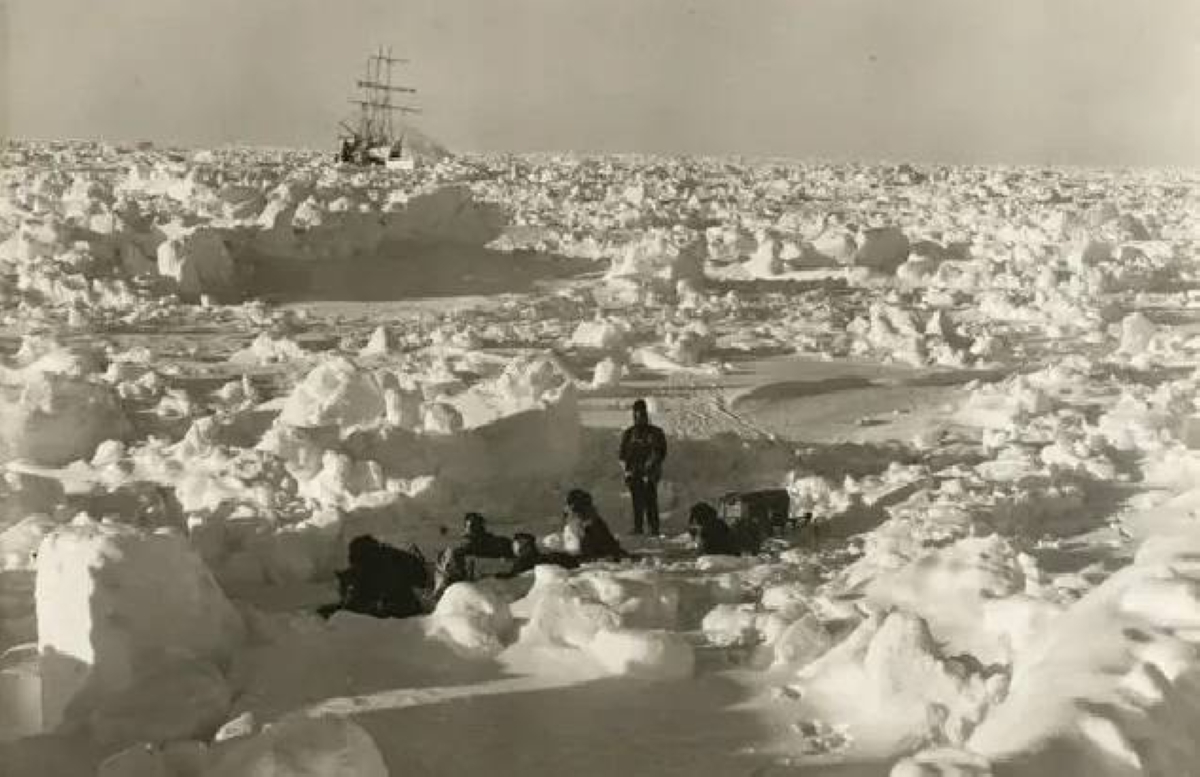
في 27 أكتوبر 1915، بعد تسعة أشهر محاصرة في جليد بحر ويدل القارس قرب القارة القطبية الجنوبية، تخلّى إرنست شاكلتون وطاقمه عن سفينتهم «إندورانس» في محاولة مستحيلة لعبور القارة المتجمدة. واستمرت السفينة عائمة على الجليد ثلاثة أسابيع قبل أن تغرق.
دراسة جديدة تكشف الحقيقة
لطالما نسب الخبراء غرق السفينة إلى ضغط الجليد على الدفة وتسببها في تمزق جسيم بالسفينة، لكن دراسة حديثة نشرت في مجلة Polar Record تؤكد أن السبب الحقيقي هو ضعف تصميم السفينة نفسها، وهي نقطة كان شاكلتون مدركاً لها قبل الرحلة.
لم تكن مستعدة
أجرى خبير الجليد والمهندس البحري الباحث يوكّا توهكوري تحليلاً للرسائل واليوميات وبقايا السفينة التي اكتشفت عام 2022، ووجد أن هيكل السفينة يفتقر للأعمدة الداعمة اللازمة لتحمل ضغط الجليد، ما أدى إلى تلف الدفة والجزء الخلفي وغطس السفينة بالمياه.
حقيقة «أقوى سفينة خشبية»
على الرغم من وصفها في سجلات الجمعية الجيولوجية الملكية بلندن بأنها أقوى سفينة خشبية بُنيت على الإطلاق، إلا أن أدلة الدراسة تشير إلى أن تصميمها كان أضعف من أن يتحمل المهمة التي أُرسلت من أجلها.
On October 27, 1915, after nine months trapped in the frigid ice of the Weddell Sea near the Antarctic continent, Ernest Shackleton and his crew abandoned their ship, the "Endurance," in a desperate attempt to cross the frozen continent. The ship remained afloat on the ice for three weeks before sinking.
A New Study Reveals the Truth
Experts have long attributed the sinking of the ship to ice pressure on the rudder, causing significant damage to the vessel, but a recent study published in the Polar Record journal confirms that the real reason was the inherent weakness in the ship's design, a point that Shackleton was aware of before the voyage.
It Wasn't Prepared
Ice expert and marine engineer researcher Yuka Tohkuri conducted an analysis of letters, diaries, and the remains of the ship discovered in 2022, finding that the ship's structure lacked the necessary supporting columns to withstand ice pressure, leading to damage to the rudder and stern and the ship's sinking.
The Truth About the "Strongest Wooden Ship"
Despite being described in the records of the Geological Society of London as the strongest wooden ship ever built, the evidence from the study suggests that its design was too weak to withstand the mission for which it was sent.