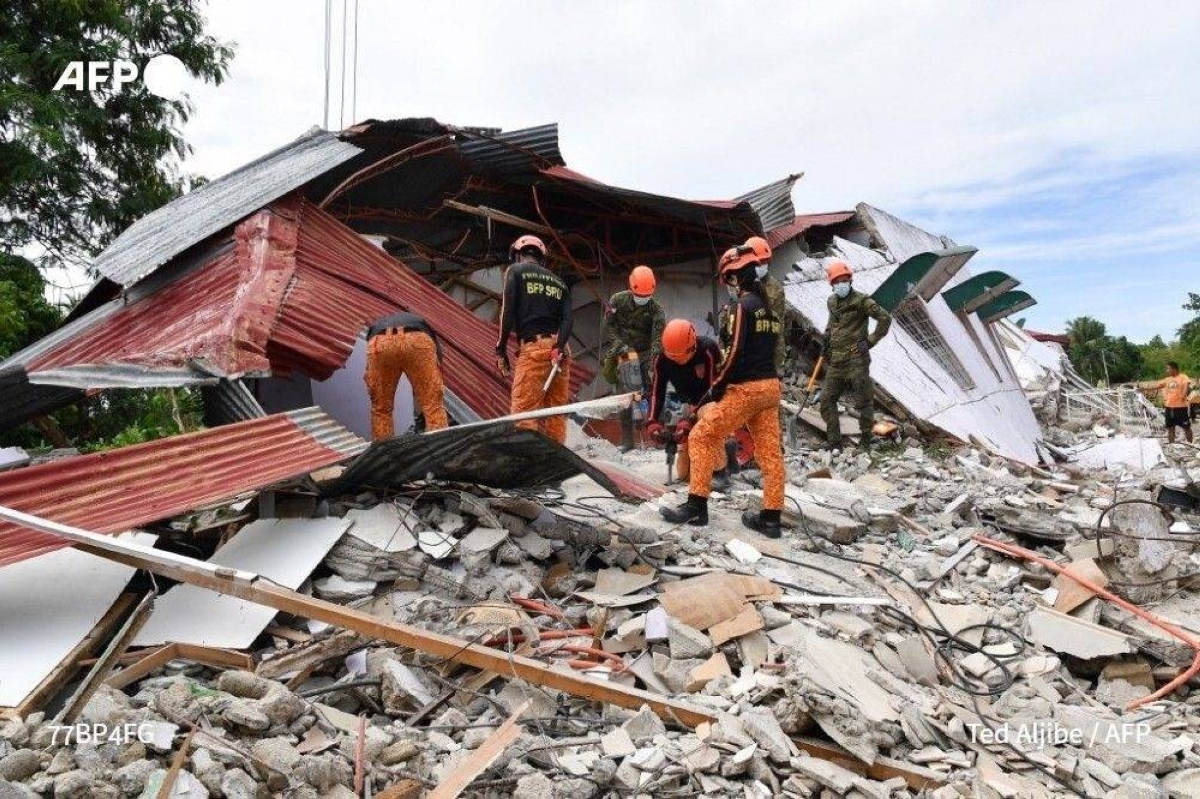
أعلنت السلطات الفلبينية مقتل 70 شخصاً على الأقل، مع توقعات بارتفاع الحصيلة مع استمرار عمليات الإنقاذ، في الزلزال القوي الذي ضرب وسط الفلبين، مساء الثلاثاء، بقوة 6.9 درجة على مقياس ريختر، مسبباً سقوط جدران المباني والمنازل، حيث يبحث المنقذون عن ناجين تحت الأنقاض باستخدام جرافات وكلاب كشف.
وأدى الزلزال الذي حدث بعمق 10 كيلومترات فقط إلى إصابة نحو 150 آخرين، مع تسجيل أكثر من 700 هزة ارتدادية حتى الآن، ما أجبر السلطات على نقل المرضى إلى خيام خارج المستشفيات في مدينة سيبو لتجنب مخاطر الانهيارات الإضافية.
ووقع الزلزال في الساعة 9:59 مساءً بالتوقيت المحلي قبالة الساحل الشمالي لجزيرة سيبو، قرب مدينة بوغو، ما أدى إلى انهيار مجمع رياضي في بلدة سان ريميجيو أثناء مباراة كرة سلة، مسبباً مقتل 13 شخصاً على الأقل، بين جمهور المباراة بما في ذلك ثلاثة من حراس الساحل الفلبيني وإطفائي.
ووفقاً لتقارير المعهد الفلبيني للبراكين والزلازل، شعر أكثر من نصف مليون شخص بهزة شديدة عبر جزر فيسايا، بما في ذلك سيبو وليته وبيليران، مع انقطاع التيار الكهربائي في مناطق واسعة وإصدار تحذير تسونامي مؤقت أدى إلى إجلاء السكان من السواحل.
حالة الطوارئ في سيبو
وفي بيان رسمي، أعرب رئيس الفلبين فرديناند ماركوس جونيور عن «حزنه العميق»، معلناً حالة الطوارئ في سيبو وتخصيص ميزانية طوارئ لإعادة الإعمار، مع طلب مساعدات من الولايات المتحدة والاتحاد الأوروبي، كما أشاد رئيس الصليب الأحمر الفلبيني ريتشارد غوردون بجهود المتطوعين، لكنه حذر من «نقص في المعدات الثقيلة» للوصول إلى المناطق النائية.
ومن جانبه وصف نائب مدير مكتب الدفاع المدني رافائيليتو أليخاندرو الوضع بأنه «مأساوي»، محذراً من أن الأرقام قد ترتفع مع الوصول إلى المباني المنهارة.
وتقع الفلبين في قلب «حلقة النار» الهادئة، وهي قوس طوله 40 ألف كيلومتر يمتد من اليابان عبر جنوب شرق آسيا إلى حوض المحيط الهادئ، حيث يحدث أكثر من 80% من الزلازل العالمية ويتركز نصف البراكين النشطة، حيث تقع الدولة على حدود الصفيحة الفلبينية البحرية النشطة، ما يجعلها عرضة للزلازل اليومية، إضافة إلى نحو 20 إعصاراً سنوياً.
The Philippine authorities announced that at least 70 people have been killed, with expectations of the toll rising as rescue operations continue, following a powerful earthquake that struck central Philippines on Tuesday evening, measuring 6.9 on the Richter scale. The quake caused walls of buildings and homes to collapse, as rescuers search for survivors under the rubble using bulldozers and search dogs.
The earthquake, which occurred at a depth of only 10 kilometers, injured around 150 others, with more than 700 aftershocks recorded so far, forcing authorities to move patients to tents outside hospitals in Cebu City to avoid the risks of further collapses.
The earthquake struck at 9:59 PM local time off the northern coast of Cebu Island, near the city of Bogo, leading to the collapse of a sports complex in the town of San Remigio during a basketball game, resulting in the deaths of at least 13 people among the spectators, including three members of the Philippine Coast Guard and a firefighter.
According to reports from the Philippine Institute of Volcanology and Seismology, more than half a million people felt the strong tremor across the Visayas islands, including Cebu, Leyte, and Biliran, with widespread power outages and a temporary tsunami warning that led to evacuations from coastal areas.
State of Emergency in Cebu
In an official statement, Philippine President Ferdinand Marcos Jr. expressed his "deep sadness," declaring a state of emergency in Cebu and allocating an emergency budget for reconstruction, while requesting assistance from the United States and the European Union. The President of the Philippine Red Cross, Richard Gordon, praised the efforts of volunteers but warned of a "lack of heavy equipment" to reach remote areas.
For his part, the Deputy Director of the Civil Defense Office, Raffaele Alejandro, described the situation as "tragic," warning that the numbers may rise as access to collapsed buildings is gained.
The Philippines is located in the heart of the "Ring of Fire," a 40,000-kilometer arc that extends from Japan through Southeast Asia to the Pacific Basin, where more than 80% of the world's earthquakes occur and half of the active volcanoes are concentrated. The country sits on the boundary of the active Philippine Sea Plate, making it prone to daily earthquakes, in addition to about 20 typhoons annually.