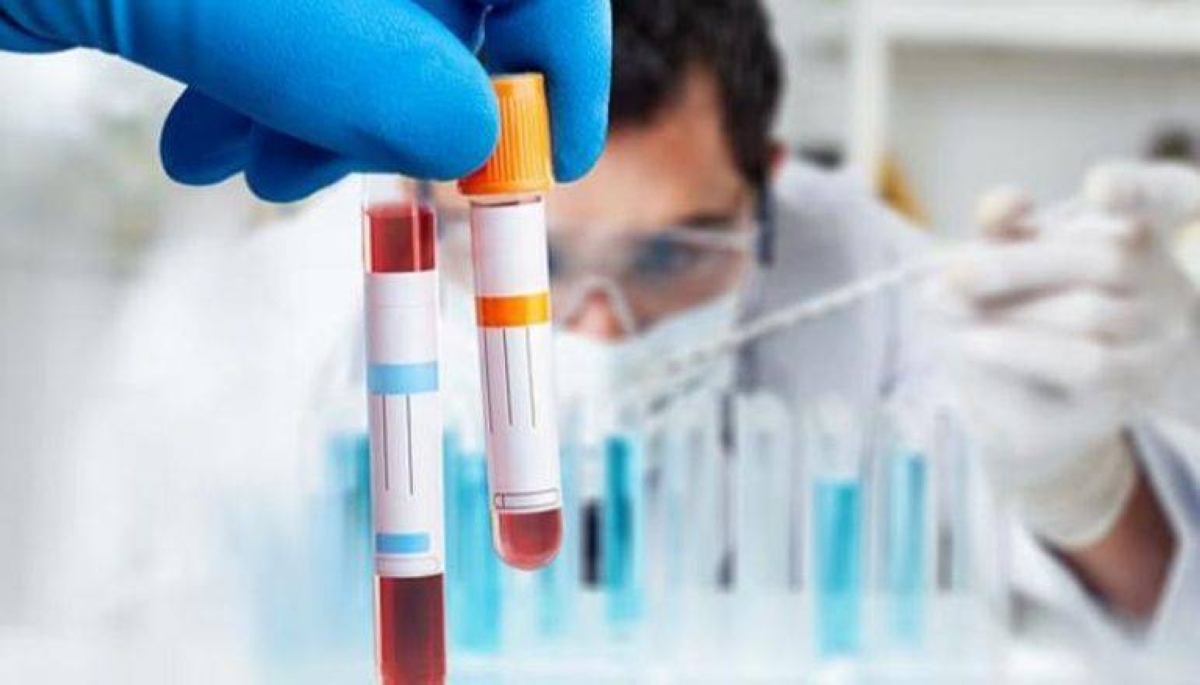
طور باحثون سويديون اختبار دم بسيط يمكنه التنبؤ بخطر تلف الكبد الخطير قبل سنوات من ظهور العلامات السريرية، ما يفتح نافذة حاسمة للتدخل المبكر.
ويعد مرض الكبد، الذي غالبًا ما ينجم عن تعاطي الكحول أو السمنة أو تراكم الدهون، سببًا رئيسيًا للمرض والوفاة عالميًا، وغالبًا ما يتطور بصمت.
وبحسب موقع «تايمز أوف إنديا»، أظهرت دراسة من معهد كارولينسكا، نشرت في مجلة BMJ، أن الاختبار يعتمد على 3 قياسات دم بسيطة للكشف عن العلامات المبكرة لتليف الكبد وسرطان الكبد أو حالات الكبد الشديدة.
وقد جرب الاختبار في الرعاية الأولية لتحديد تندبات الكبد التي لا رجعة فيها، ما يساعد الأطباء على التدخل قبل تفاقم المرض.
ويتميز الاختبار الجديد عن الطرق التقليدية مثل FIB-4، بقدرته على التنبؤ بخطر أمراض الكبد لدى عامة السكان بدقة عالية، وليس فقط لدى المرضى المعرضين للخطر.
واستندت الدراسة إلى تحليل بيانات أكثر من 480 ألف شخص في ستوكهولم على مدار 3 عقود، حيث أصيب 1.5% منهم بحالات كبدية خطيرة أو احتاجوا إلى زرع كبد.
وأظهر النموذج التنبؤي دقة تصل إلى 88% في تحديد من هم الأكثر عرضة لمضاعفات الكبد. كما جُرب الاختبار في فنلندا والمملكة المتحدة وحقق نتائج مماثلة.
على الرغم من فعالية الاختبار، لا يزال الوعي بالعلامات المبكرة لأمراض الكبد أمرًا ضروريًا. وتشمل المؤشرات الغثيان وفقدان الوزن واليرقان والتعب وأعراضًا مشابهة للإنفلونزا، بحسب نوع المرض.
ويتيح الكشف المبكر عن تلف الكبد التدخل في الوقت المناسب عبر تغييرات نمط الحياة أو المراقبة الطبية أو استخدام الأدوية لتقليل تطور المرض، ما يعزز فرص البقاء على قيد الحياة ويقلل الحاجة إلى زراعة الكبد.
ويؤكد البروفيسور هاغستروم أن الاختبار الجديد يمنح أطباء الرعاية الأولية أدوات للتشخيص المبكر، وهو خطوة حاسمة لمواجهة الأمراض المتعلقة بالكبد، حتى بين الفئات العمرية الأصغر.
Swedish researchers have developed a simple blood test that can predict the risk of serious liver damage years before clinical signs appear, opening a critical window for early intervention.
Liver disease, often resulting from alcohol consumption, obesity, or fat accumulation, is a leading cause of illness and death worldwide, and it often develops silently.
According to the "Times of India," a study from the Karolinska Institute published in the BMJ journal showed that the test relies on three simple blood measurements to detect early signs of liver cirrhosis, liver cancer, or severe liver conditions.
The test has been trialed in primary care to identify irreversible liver scarring, helping doctors intervene before the disease worsens.
The new test differs from traditional methods like FIB-4 in its ability to accurately predict the risk of liver disease in the general population, not just in at-risk patients.
The study was based on an analysis of data from over 480,000 people in Stockholm over three decades, where 1.5% of them developed severe liver conditions or required a liver transplant.
The predictive model showed an accuracy of up to 88% in identifying those most at risk for liver complications. The test has also been trialed in Finland and the UK, achieving similar results.
Despite the effectiveness of the test, awareness of the early signs of liver disease remains essential. Symptoms include nausea, weight loss, jaundice, fatigue, and flu-like symptoms, depending on the type of disease.
Early detection of liver damage allows for timely intervention through lifestyle changes, medical monitoring, or the use of medications to slow disease progression, enhancing survival chances and reducing the need for liver transplants.
Professor Hagström emphasizes that the new test provides primary care physicians with tools for early diagnosis, which is a crucial step in addressing liver-related diseases, even among younger age groups.