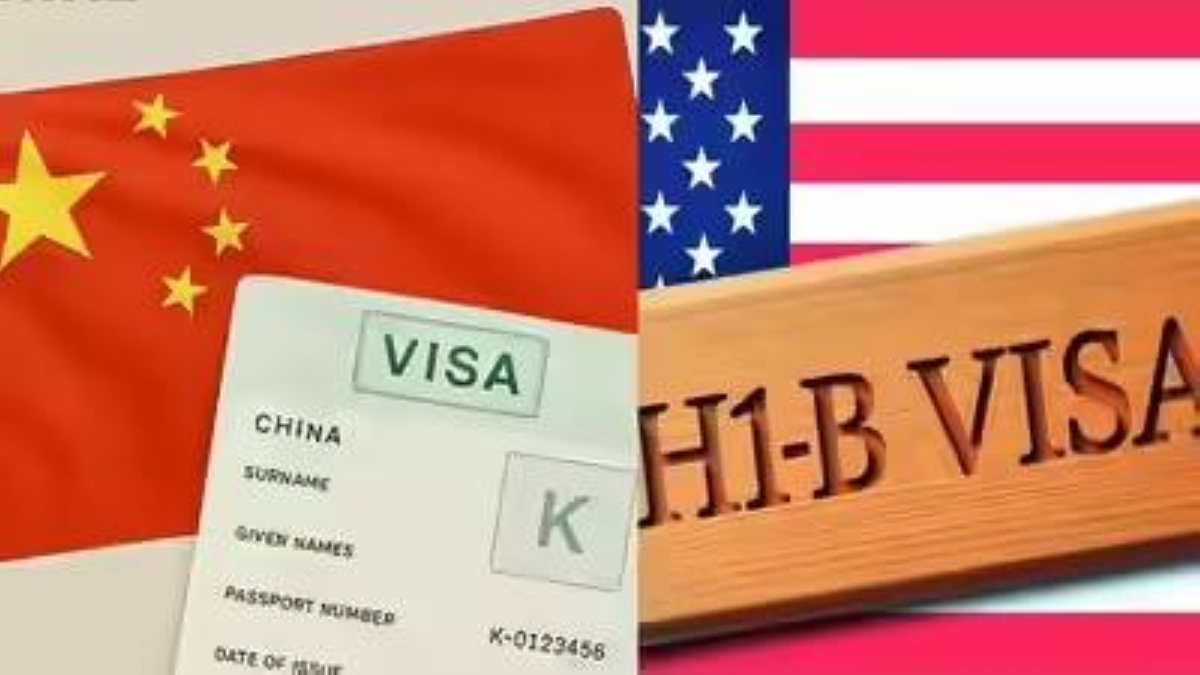
أعلن المتحدث باسم الخارجية الصينية غو جياكون، اليوم، إضافة فئة جديدة من التأشيرات العادية، وهي تأشيرة K، المخصصة للمتخصصين الشباب في مجالات العلوم والتكنولوجيا، بهدف تسهيل دخولهم إلى الصين وتعزيز التعاون الدولي في هذه المجالات الحيوية.
وتأتي هذه الخطوة في إطار إستراتيجية الصين لتعزيز الابتكار والتنافسية العالمية في مجال العلوم والتكنولوجيا، إذ أقرت الحكومة تعديلات على لوائح إدارة دخول وخروج الأجانب، مما يعكس توجهاً نحو تسهيل جذب المواهب الدولية، وفي سياق حملة «تطوير القوى العاملة في العصر الجديد» التي أُعلنت في المؤتمر الوطني العشرين للحزب الشيوعي الصيني.
وأوضحت الخارجية الصينية أنه سيبدأ تطبيق هذه التأشيرة اعتباراً من 1 أكتوبر 2025، وفقاً لقرار موقع من قبل رئيس الوزراء لي تشيانغ، كجزء من تعديلات على لوائح إدارة دخول وخروج الأجانب.
وأكد غو في مؤتمر صحفي عقدته الوزارة، أن «الصين ترحب بالمواهب من مختلف الصناعات والمناطق حول العالم للقدوم والإقامة في الصين، للمساهمة معاً في تقدم المجتمع البشري وتحقيق النجاح في مسيرتهم المهنية». وأضاف أن هذه الخطوة تنفذ في إطار إستراتيجية تطوير القوى العاملة في العصر الجديد، وتهدف إلى تسهيل الدخول للشباب في مجال العلوم والتكنولوجيا، وتعزيز التبادلات الدولية بين الشباب في هذه المجالات.
وشدد على أن الصين لن تعلق على سياسات التأشيرات الأمريكية، لكنها ستستمر في فتح أبوابها للابتكار العالمي، بحيث تُمنح تأشيرة K للأجانب الشباب الذين يحملون درجة البكالوريوس أو أعلى في مجالات STEM من جامعات أو مؤسسات بحثية معترف بها عالمياً، أو الشباب الذين يعملون في التعليم أو البحث ذي الصلة.
ولا تتطلب التأشيرة دعوة من جهة عمل صينية محلية، وتكون إجراءات التقديم مبسطة، مع السماح لحامليها بممارسة أنشطة تبادل في التعليم، الثقافة، والعلوم والتكنولوجيا، إضافة إلى أنشطة ريادة الأعمال والأعمال التجارية ذات الصلة، على أن يتم نشر الشروط الدقيقة على مواقع السفارات والقنصليات الصينية في الخارج، بما في ذلك تعريف «الشباب» بناءً على العمر والخلفية الأكاديمية أو المهنية.
ويأتي هذا الإعلان في وقت يشهد فيه المنافسة العالمية على المواهب التقنية تصعيداً، خصوصا مع إدخال الولايات المتحدة رسوماً تصل إلى 100000 دولار على طلبات تأشيرة H-1B الجديدة، مما دفع آلاف المهنيين الشباب، خصوصا من الهند (التي تمثل 71% من حاملي H-1B)، إلى البحث عن بدائل.
ووصف خبراء السياسة هذه الخطوة بأنها «بديل جذاب» للمهنيين في مجال STEM، إذ تسمح التأشيرة بدخول متعدد وإقامة مطولة دون الحاجة إلى عرض عمل مسبق، مما يعزز قدرة الصين على المنافسة في التكنولوجيا المتقدمة مثل الذكاء الاصطناعي والطاقة المتجددة.
ومن المتوقع أن تشمل حملة تسويقية عالمية مراكز الابتكار في الولايات المتحدة، الاتحاد الأوروبي، ودول آسيان، مع إطلاق منصات إلكترونية للتقديم.
The spokesperson for the Chinese Foreign Ministry, Gu Jiaxun, announced today the addition of a new category of regular visas, the K visa, designated for young professionals in the fields of science and technology, aimed at facilitating their entry into China and enhancing international cooperation in these vital areas.
This step is part of China's strategy to enhance innovation and global competitiveness in the field of science and technology, as the government has approved amendments to the regulations governing the entry and exit of foreigners, reflecting a trend towards facilitating the attraction of international talent, in the context of the "Developing the Workforce in the New Era" campaign announced at the 20th National Congress of the Communist Party of China.
The Chinese Foreign Ministry clarified that this visa will be implemented starting from October 1, 2025, according to a decision signed by Prime Minister Li Qiang, as part of amendments to the regulations governing the entry and exit of foreigners.
Gu emphasized in a press conference held by the ministry that "China welcomes talents from various industries and regions around the world to come and reside in China, to contribute together to the advancement of humanity and achieve success in their professional journeys." He added that this step is being implemented as part of the strategy to develop the workforce in the new era, aiming to facilitate entry for youth in the fields of science and technology and enhance international exchanges among youth in these areas.
He stressed that China will not comment on U.S. visa policies, but it will continue to open its doors to global innovation, granting the K visa to young foreigners holding a bachelor's degree or higher in STEM fields from globally recognized universities or research institutions, or young people working in related education or research.
The visa does not require an invitation from a local Chinese employer, and the application procedures are simplified, allowing holders to engage in exchange activities in education, culture, and science and technology, in addition to entrepreneurship and related business activities, with precise conditions to be published on the websites of Chinese embassies and consulates abroad, including the definition of "youth" based on age and academic or professional background.
This announcement comes at a time when global competition for tech talent is intensifying, especially with the United States imposing fees of up to $100,000 on new H-1B visa applications, prompting thousands of young professionals, particularly from India (which represents 71% of H-1B holders), to seek alternatives.
Policy experts have described this step as an "attractive alternative" for professionals in the STEM field, as the visa allows for multiple entries and extended stays without the need for a prior job offer, enhancing China's competitiveness in advanced technologies such as artificial intelligence and renewable energy.
A global marketing campaign is expected to include innovation hubs in the United States, the European Union, and ASEAN countries, along with the launch of online application platforms.