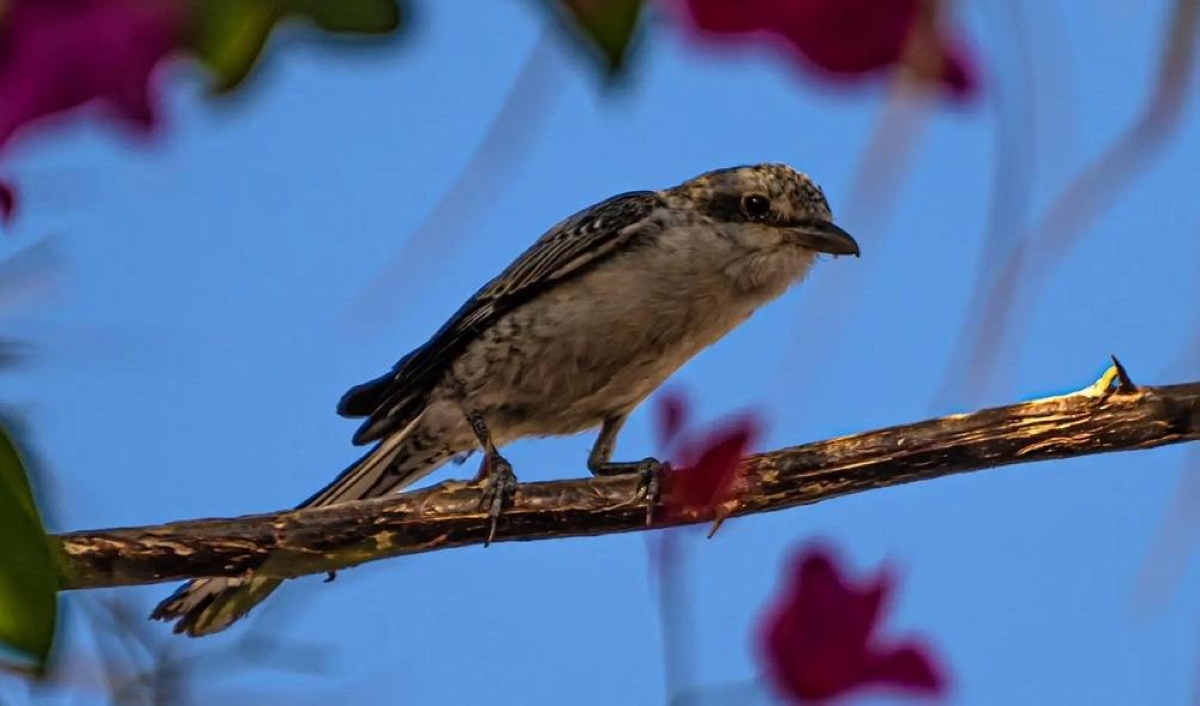
رُصد طائر الصرد المُقنّع (Lanius nubicus) أخيرا في منطقة الحدود الشمالية، وذلك ضمن مشاهدات موسمية تؤكد غنى المملكة بالتنوع الحيوي، وكونها محطة مهمة في مسارات الطيور المهاجرة عبر الجزيرة العربية.
الصرد المُقنّع
ويُعرف هذا الطائر عربيًا بأسماء عدة منها: الصرد المقنّع، والجارح المقنّع، والدقناش القبطي، ويُعد من الطيور المهاجرة صغيرة الحجم التي تجذب الانتباه بفضل مظهرها المميز، إذ يتميز برأس أبيض تتخلله علامة سوداء حول العينين تمتد حتى الأذنين، إضافة إلى جناحين أسودين تتخللهما بقع بيضاء أنيقة.
الصرد المُقنّع
ويتغذى الصرد المقنّع على الحشرات واللافقاريات الصغيرة، وقد يصطاد أحيانًا طيورًا صغيرة، مستفيدًا من حركاته السريعة وانقضاضه المفاجئ.
ويمتد مساره الهجري من أوروبا الشرقية وآسيا الوسطى، مرورًا بالشرق الأوسط -بما في ذلك أجواء المملكة- وصولًا إلى القارة الأفريقية التي يقضي فيها موسم الشتاء.
وأوضح رئيس جمعية أمان البيئة ناصر المجلاد، أن رصد هذا الطائر في شمال المملكة يُبرز أهمية الموقع الإستراتيجي للمملكة على خريطة هجرة الطيور، ودورها البارز في احتضان التنوع البيئي، وتوفير بيئات طبيعية غنية تدعم استمرار هذه الرحلات الموسمية.
The masked shrike (Lanius nubicus) has finally been spotted in the Northern Borders region, as part of seasonal observations that confirm the richness of the Kingdom's biodiversity and its importance as a stopover for migratory birds across the Arabian Peninsula.
الصرد المُقنّع
This bird is known in Arabic by several names, including the masked shrike, the masked predator, and the Coptic shrike. It is considered one of the small migratory birds that attract attention due to its distinctive appearance, characterized by a white head with a black mark around the eyes extending to the ears, in addition to black wings adorned with elegant white spots.
الصرد المُقنّع
The masked shrike feeds on insects and small invertebrates, and it may occasionally hunt small birds, taking advantage of its quick movements and sudden dives.
Its migratory route extends from Eastern Europe and Central Asia, passing through the Middle East - including the skies of the Kingdom - reaching the African continent where it spends the winter season.
Nasser Al-Majlad, the head of the Environmental Safety Association, explained that the sighting of this bird in the north of the Kingdom highlights the strategic importance of the Kingdom's location on the bird migration map, and its prominent role in embracing environmental diversity and providing rich natural habitats that support the continuation of these seasonal journeys.