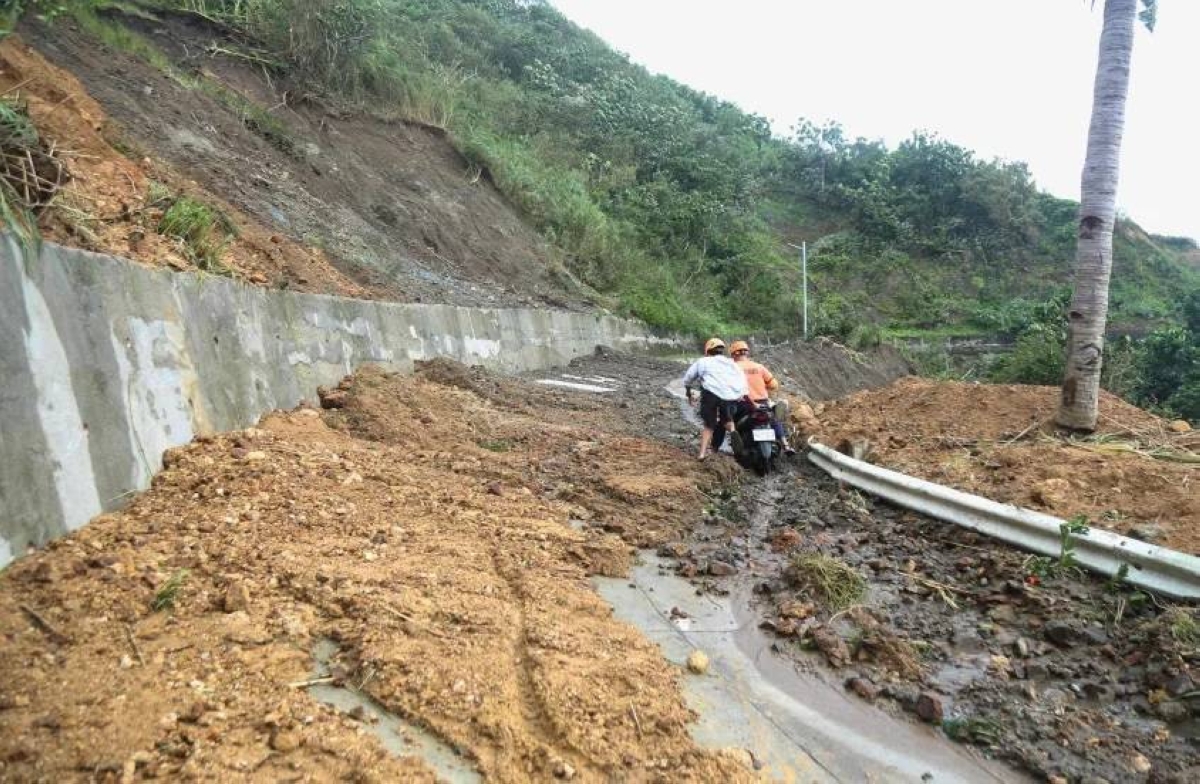
شهدت مناطق جنوب الصين وتايوان والفلبين كارثة طبيعية مدمرة مع وصول إعصار «راغاسا»، أقوى عاصفة تشهدها الأرض هذا العام حتى الآن، الذي تسبب في فيضانات وانهيارات أرضية وأمواج عاتية، مما أدى إلى إجلاء نحو مليوني شخص في مقاطعة غوانغدونغ الصينية وحدها.
17 قتيلاً في تايوان
وفي تايوان، لقي 17 شخصاً مصرعهم، وما زال 17 آخرون في عداد المفقودين بعد انهيار سد طبيعي تشكل نتيجة انهيار أرضي في يوليو الماضي، مما أدى إلى إطلاق 68 مليون طن من المياه التي اجتاحت بلدة غوانغفو.
وأظهرت مقاطع فيديو من مقاطعة هوالين الشرقية تدفق المياه عبر الشوارع، إذ جرفت السيارات وغمرت الطوابق السفلية للمنازل، مما أجبر السكان على اللجوء إلى الطوابق العليا.
وكانت السلطات قد حذّرت من احتمال فيضان البحيرة المتكونة حديثاً بحلول أكتوبر، لكن الأمطار الغزيرة التي جلبها الإعصار سرعت من الكارثة.
إعصار راغاسا يضرب الصين وتايوان
وفي هونغ كونغ، وهي مركز مالي عالمي، تسبب الإعصار في رياح عاتية بلغت سرعتها القصوى 168 كيلومتراً في الساعة، مما أدى إلى سقوط الأشجار وتطاير السقالات وإصابة 90 شخصاً على الأقل، كما لجأ 885 شخصاً إلى ملاجئ مؤقتة.
وفي ماكاو، التي تُعدّ واحدة من أكثر المدن كثافة سكانية في العالم، غمرت المياه الشوارع حتى مستوى الخصر، وتسببت الأمواج العاتية في تحطيم الأبواب الزجاجية لفندق فاخر على شاطئ البحر.
إجلاء أكثر من مليون صيني
أما في الصين، أجلت السلطات في مقاطعة غوانغدونغ 1.89 مليون شخص قبل وصول الإعصار، مع نقل أكثر من 10,000 سفينة إلى مياه أكثر أماناً ووضع 38,000 من رجال الإطفاء في حالة تأهب.
وفي مدينة تشوهاى الساحلية، أُجبر سكان الأبراج السكنية على الإخلاء، إذ لجأ الكثيرون إلى صالات رياضية في المدارس كملاجئ مؤقتة.
إعصار راغاسا يضرب الصين وتايوان
وفي الفلبين، التي تضررت بشدة من الإعصار عندما كان بقوة الفئة الخامسة، لقي 7 صيادين مصرعهم بعد انقلاب قاربهم قبالة سواحل لوزون، يوم الإثنين. ويواصل الإعصار مساره نحو البر الرئيسي للصين بقوة تعادل الفئة الثالثة.
تحذيرات الخبراء
وتُعتبر هذه المناطق معتادة على الأعاصير، لكن أزمة المناخ التي يتسبب فيها الإنسان جعلت هذه العواصف أكثر قوة وصعوبة في التنبؤ.
ويحذّر الخبراء من أن التغيرات المناخية تزيد من رطوبة الغلاف الجوي ودرجة حرارة المياه، مما يمنح الأعاصير طاقة إضافية، ومع استمرار موسم الأعاصير، بدأت عاصفة جديدة تُدعى أوبونغ تتشكل في الفلبين، مما ينذر بمزيد من التحديات.
Southern China, Taiwan, and the Philippines have witnessed a devastating natural disaster with the arrival of Typhoon “Ragasa,” the strongest storm the earth has seen this year so far, which caused floods, landslides, and high waves, leading to the evacuation of around two million people in China's Guangdong province alone.
17 Dead in Taiwan
In Taiwan, 17 people have died, and 17 others are still missing after a natural dam formed due to a landslide last July collapsed, releasing 68 million tons of water that swept through the town of Guangfu.
Videos from Hualien County in eastern Taiwan showed water flowing through the streets, sweeping away cars and flooding the lower floors of homes, forcing residents to seek refuge on upper floors.
Authorities had warned of the potential for flooding from the newly formed lake by October, but the heavy rains brought by the typhoon accelerated the disaster.
إعصار راغاسا يضرب الصين وتايوان
In Hong Kong, a global financial hub, the typhoon caused strong winds with a maximum speed of 168 kilometers per hour, resulting in fallen trees, flying scaffolding, and at least 90 injuries, while 885 people sought shelter in temporary accommodations.
In Macau, one of the most densely populated cities in the world, waters flooded the streets up to waist level, and the high waves shattered the glass doors of a luxury seaside hotel.
Evacuation of Over a Million Chinese
In China, authorities in Guangdong province evacuated 1.89 million people before the typhoon's arrival, relocating over 10,000 ships to safer waters and placing 38,000 firefighters on alert.
In the coastal city of Zhuhai, residents of high-rise buildings were forced to evacuate, with many seeking refuge in school gymnasiums as temporary shelters.
إعصار راغاسا يضرب الصين وتايوان
In the Philippines, which was severely affected by the typhoon when it was at Category 5 strength, 7 fishermen died after their boat capsized off the coast of Luzon on Monday. The typhoon continues its path toward mainland China at a strength equivalent to Category 3.
Warnings from Experts
These areas are accustomed to typhoons, but the human-caused climate crisis has made these storms more powerful and difficult to predict.
Experts warn that climate change increases atmospheric moisture and water temperatures, giving typhoons additional energy, and as the hurricane season continues, a new storm named Obong is beginning to form in the Philippines, signaling further challenges ahead.