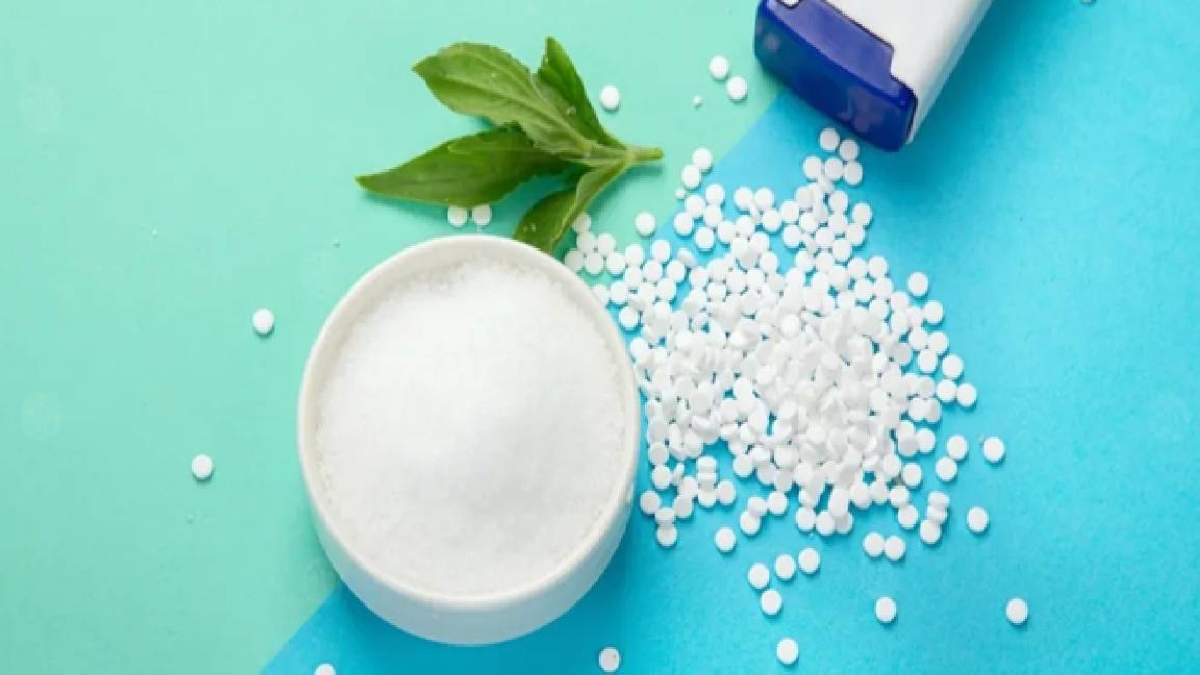
كشفت دراسة حديثة أن الإفراط في استهلاك المحليات الصناعية منخفضة أو عديمة السعرات -الموجودة في مشروبات الحمية والعلكة الخالية من السكر- قد يكون مرتبطاً بتراجع أسرع في الذاكرة والقدرات الإدراكية، خصوصاً لدى الأشخاص دون سن الـ60.
دراسة طويلة الأمد
أجرى باحثون من جامعة ساوباولو في البرازيل دراسة امتدت لـ8 سنوات، شملت أكثر من 12 ألف مشارك فوق سن 35 عاماً، ونشرت نتائجها في مجلة Neurology الطبية.
وتبيّن أن المشاركين يستهلكون يومياً نحو 92 مليغراماً من المحليات الصناعية، أبرزها: الأسبارتام، السكرين، أسسلفام ك، الإريثريتول، السوربيتول، والزيليتول.
تأثير مباشر على الدماغ
أظهرت النتائج أن كثرة استهلاك هذه المحليات ارتبطت بتراجع ملحوظ في:
-
الطلاقة اللفظية: القدرة على التعبير بسرعة ووضوح.
-
الذاكرة والقدرات الإدراكية: مثل التركيز وحل المشكلات.
بينما لم يظهر ارتباط قوي لدى من تجاوزوا سن الـ60، إلا أن الباحثين شددوا على أن الخطر لا يزال قائماً عند الاستهلاك المفرط.
منتجات شائعة الاستخدام
-
تدخل هذه المحليات في مئات المنتجات اليومية مثل:
-
المشروبات الغازية الخاصة بالحمية.
-
الحلويات والعلكة الخالية من السكر.
-
ألواح البروتين.
-
بعض الأدوية والمكملات الغذائية.
تحذير الخبراء
الدكتورة كلاوديا كيمييه سوييموتو كانت إحدى المشرفات على البحث، وأكدت أن هذه النتائج تثير القلق، قائلة: «المحليات الصناعية تُسوّق على أنها بدائل صحية للسكر، لكن دراستنا تكشف جانباً مظلماً قد يمس صحة الدماغ على المدى الطويل».
جدل مستمر
مع تزايد الأدلة العلمية، يوصي الخبراء بضرورة تقليل استهلاك المحليات الصناعية والاعتماد قدر الإمكان على الأغذية الطبيعية غير المصنعة، إلى حين توافر دراسات أوضح تحسم الجدل حول سلامتها.
A recent study revealed that excessive consumption of low-calorie or calorie-free artificial sweeteners—found in diet drinks and sugar-free gum—may be linked to a faster decline in memory and cognitive abilities, particularly among individuals under 60 years old.
Long-term Study
Researchers from the University of São Paulo in Brazil conducted an 8-year study involving over 12,000 participants aged 35 and older, with results published in the medical journal Neurology.
It was found that participants consumed about 92 milligrams of artificial sweeteners daily, primarily: aspartame, saccharin, acesulfame K, erythritol, sorbitol, and xylitol.
Direct Impact on the Brain
The results showed that high consumption of these sweeteners was associated with a noticeable decline in:
-
Verbal fluency: the ability to express oneself quickly and clearly.
-
Memory and cognitive abilities: such as concentration and problem-solving.
While no strong association was found among those over 60, researchers emphasized that the risk remains with excessive consumption.
Commonly Used Products
-
These sweeteners are found in hundreds of everyday products, such as:
-
Diet sodas.
-
Sugar-free candies and gum.
-
Protein bars.
-
Some medications and dietary supplements.
Experts' Warning
Dr. Claudia Kimiye Suimoto, one of the supervisors of the research, confirmed that these results are concerning, stating: "Artificial sweeteners are marketed as healthy alternatives to sugar, but our study reveals a dark side that may affect brain health in the long term."
Ongoing Controversy
With increasing scientific evidence, experts recommend reducing the consumption of artificial sweeteners and relying as much as possible on unprocessed natural foods, until clearer studies are available to settle the debate about their safety.