في واقعة مثيرة، ألقت الأجهزة الأمنية المصرية القبض على أربعة موظفين في قطاع الصحة بتهمة التنقيب غير المشروع عن الآثار داخل مكتب صحة مركز دشنا شمال محافظة قنا.
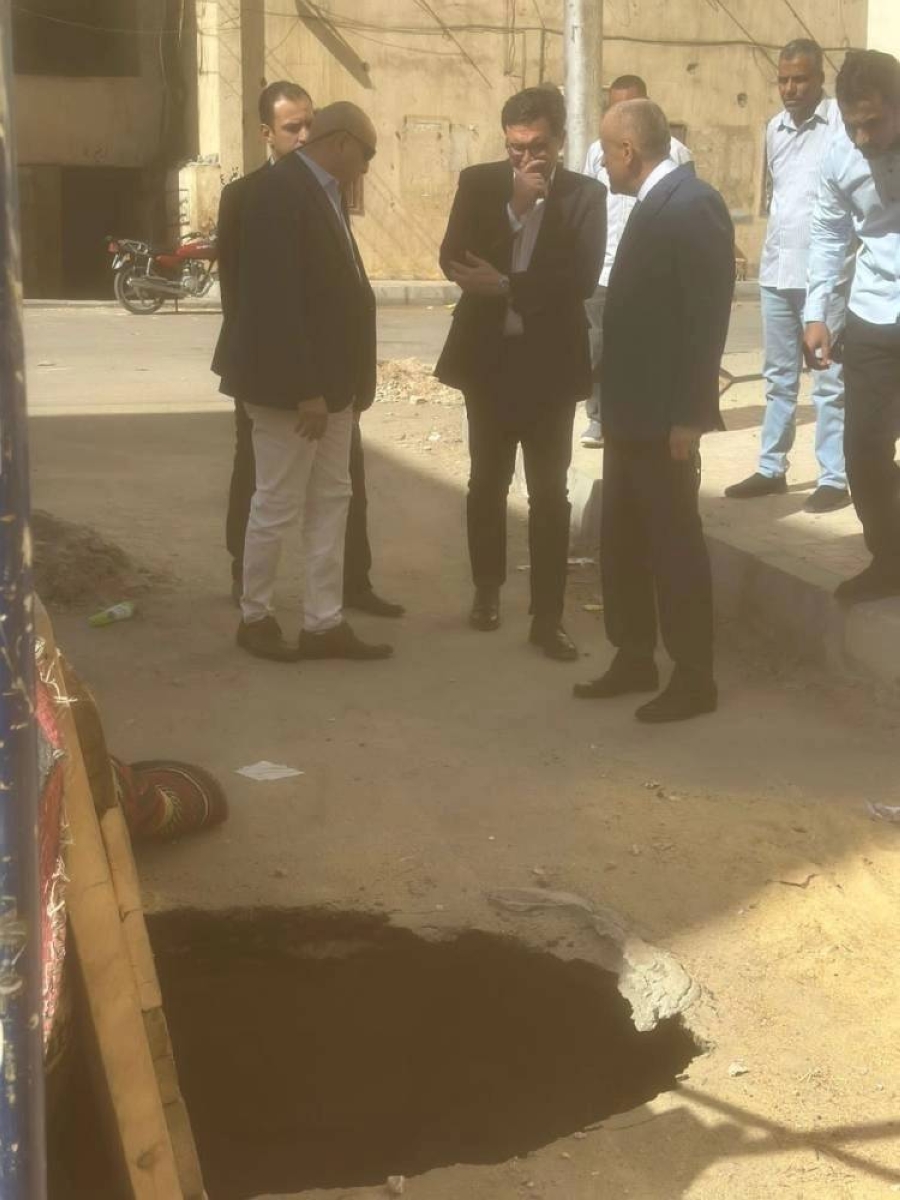
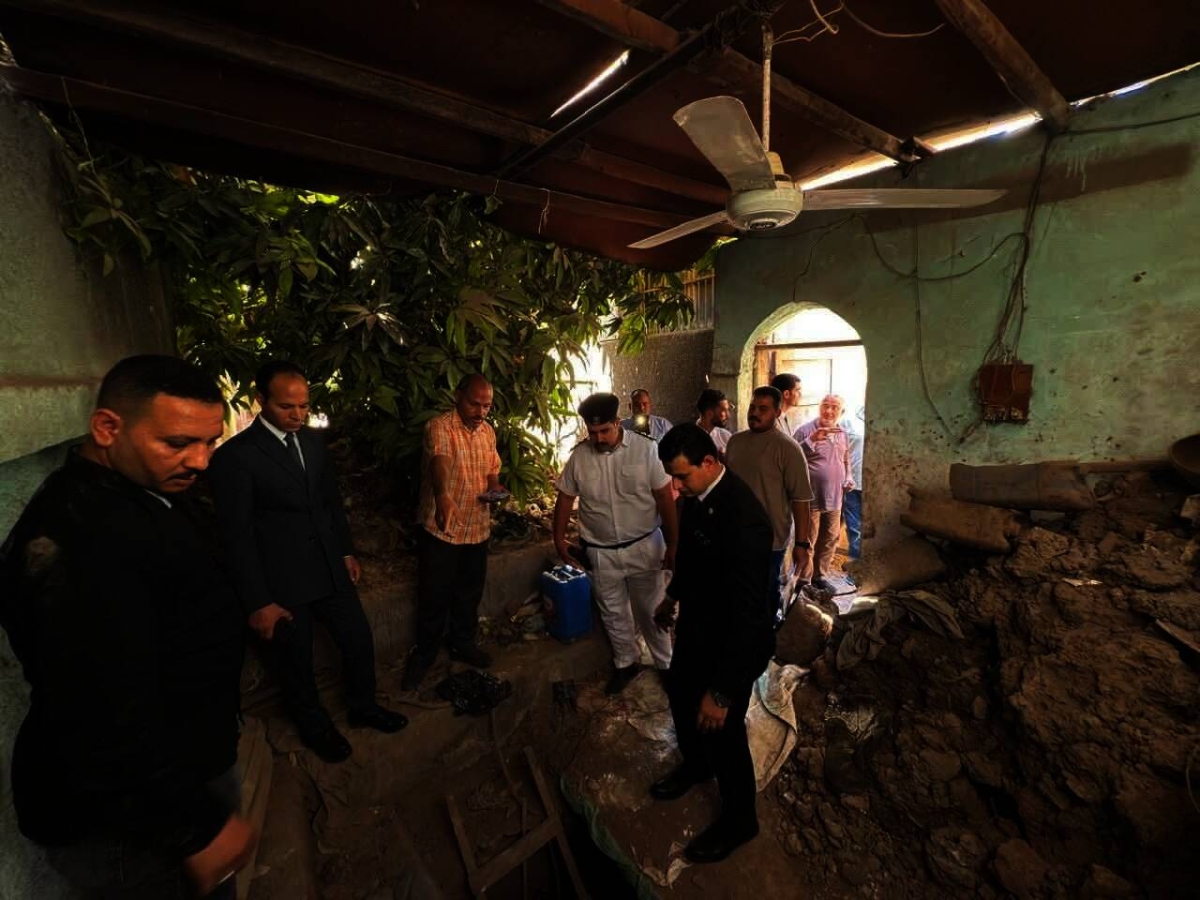
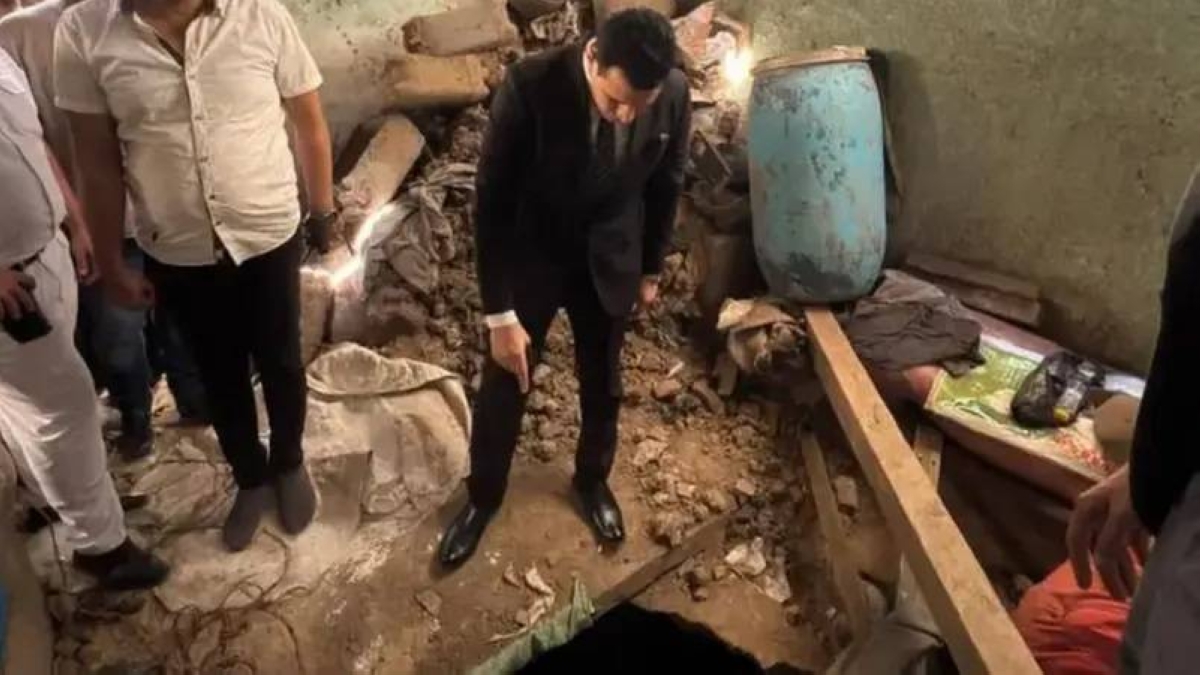
الواقعة، التي انكشفت بالصدفة أثناء جولة تفتيش روتينية، تكشف عن حفرة عميقة تصل إلى 4 أمتار، متفرعة بسرداب يمتد لأكثر من 20 متراً، تم حفرها سراً داخل غرفة مغلقة بقفل حديدي، بحثاً عن الذهب واللقى الأثرية.
تفاصيل جريمة مستوصف قنا
تنقيب عن آثار بمكتب صحة قنا
بدأت تفاصيل الجريمة الغريبة في 17 سبتمبر الجاري، عندما قامت لجنة تفتيش ثلاثية من مديرية الصحة بقنا بزيارة دورية لمكتب صحة دشنا المختار بدائرة البندر.
قفل ومرتبة تكشفان السر
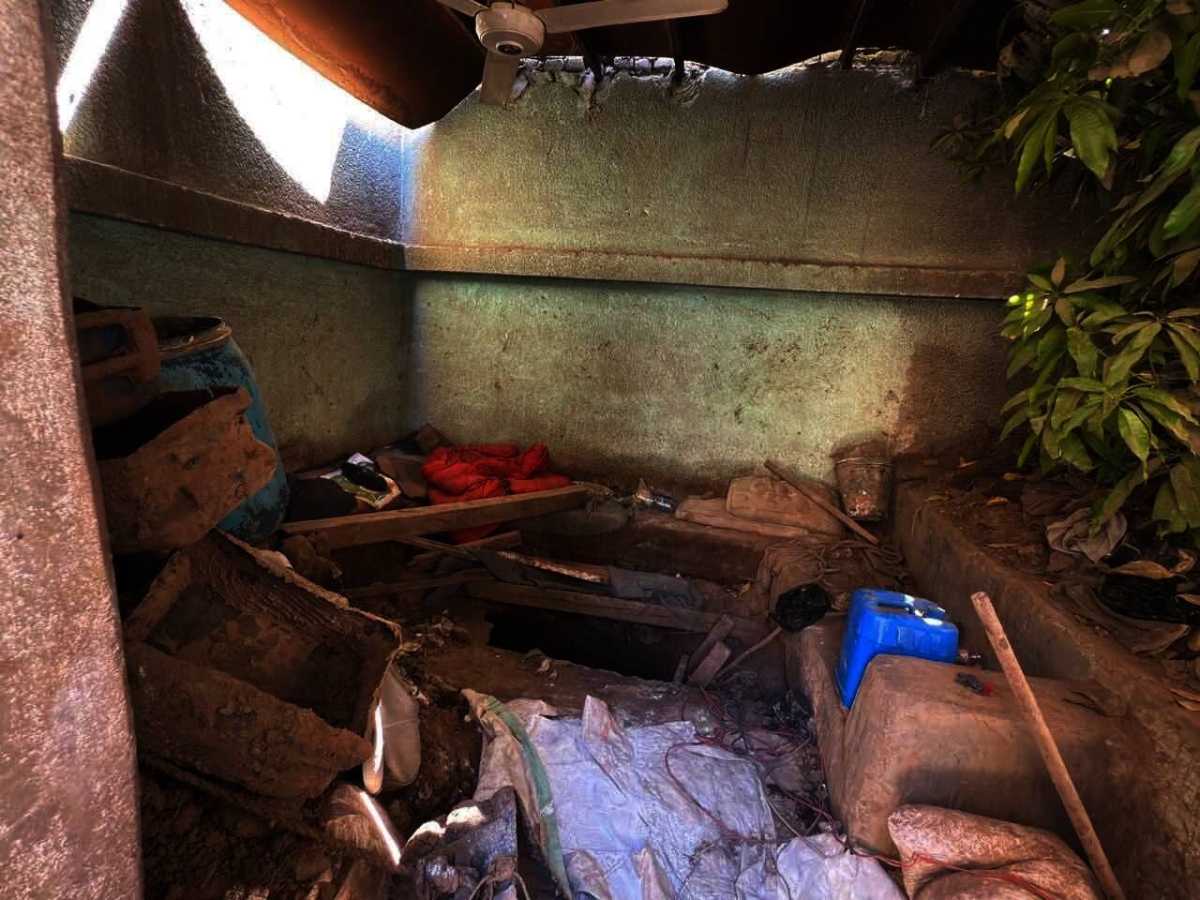
وأثارت شكوك اللجنة وجود غرفة مغلقة بقفل حديدي، وبداخلها مرتبة حمراء غامضة، وبعد محاولات للإقناع بعدم الفتح، قررت اللجنة كسر القفل، لتكتشف أن المرتبة تخفي حفرة واسعة، متصلة بسرداب يمتد تحت الأرضيات، مليء بمعدات حفر حادة وآلات يدوية.
بدورها، أبلغت اللجنة مركز شرطة دشنا فوراً، الذي أرسل قوة أمنية للمعاينة، حيث تم ضبط المشتبه بهم في الجريمة متلبسين.
وكشفت تحريات المباحث العامة بمديرية أمن قنا أن المتهمين الرئيسيين هم أربعة موظفين: موظف داخل المكتب المعني، موظف بإدارة دشنا الصحية، موظف بمديرية الصحة بقنا، وموظف معاش، ثم انضم إليهم ثلاثة آخرين للقيام بعملية حفر سرية استمرت أسابيع، مستغلين الغرفة المغلقة كغطاء لأنشطتهم.
تنقيب عن آثار بمكتب صحة قنا
وتم ضبطهم مع أدوات التنقيب، وجارِ استكمال التحقيقات لتحديد ما إذا كانت هناك تورطات أوسع في شبكات تهريب آثار.
وقررت النيابة العامة المصرية بحبسهم 4 أيام أولية، ثم تجديدها لـ15 يوماً على ذمة التحقيقات، بينما أعلنت النيابة الإدارية تباشر التحقيقات للكشف عن أي تقصير إداري.
وكشفت تقارير إعلامية أن الحفر كان يهدف إلى الوصول إلى لقى أثرية محتملة، مستفيداً من موقع المكتب القريب من مناطق أثرية في دشنا، التي تشتهر بتراثها الفرعوني.
واقعة قصر ثقافة الأقصر
تأتي واقعة دشنا كصدى مباشر لواقعة أخرى قبل ثلاثة أشهر، في يونيو 2025، عندما كشف وزير الثقافة المصري الدكتور أحمد فؤاد هنو، أثناء زيارة تفقدية مفاجئة لقصر ثقافة الطفل بالأقصر، عن أعمال حفر سرية أسفل المبنى، يُشتبه في أنها تنقيب غير مشروع عن الآثار.
قصر ثقافة الطفل بالأقصر
الحفر، الذي تم تحت غطاء أعمال ترميم مجانية قدمتها شركة مقاولات من أسوان مقابل دعاية، شمل حفرة بعمق 5 أمتار ونفقاً أرضياً بطول 9 أمتار على شكل حرف L، يمتد من إحدى الغرف إلى الشارع العام قرب طريق الكباش التاريخي – أحد أهم المواقع الأثرية.
واكتشفت الواقعة بعد شكوى أهالي بسبب هبوط أرضي مفاجئ أمام القصر، مما دفع مجلس المدينة إلى التحقيق، ليكتشفوا سرداباً يربط المبنى بالخارج.
وأحالت الوزارة فوراً 10 مسؤولين، بما في ذلك رئيس إقليم جنوب الصعيد السابق، مدير الإقليم الحالي، مدير فرع الأقصر، ومسؤولي الإدارة الهندسية والصيانة، إلى التحقيق.
كما قررت النيابة الإدارية تشكيل لجنة فنية ثلاثية من آثار الأقصر، أكدت في تقريرها وجود شواهد أثرية وأدوات تنقيب، مما يؤكد نية مبيتة للتنقيب.
وتم القبض على 5 عمال وموظفين من الشركة، وتجديد حبسهم 15 يوماً، مع وفاة أحدهم داخل المحبس بسبب هبوط دموي.
In a shocking incident, Egyptian security forces arrested four employees in the health sector on charges of illegal excavation for antiquities inside the health office of Dishna Center, north of Qena Governorate.
The incident, which was uncovered by chance during a routine inspection, reveals a deep pit reaching 4 meters, branching into a tunnel extending over 20 meters, which was secretly dug inside a locked room, in search of gold and archaeological artifacts.
Details of the Qena Clinic Crime
تنقيب عن آثار بمكتب صحة قنا
The strange details of the crime began on September 17, when a triage inspection committee from the Qena Health Directorate made a routine visit to the Dishna Health Office in the district.
A Lock and a Mattress Reveal the Secret
The committee's suspicions were raised by the presence of a locked room, inside which was a mysterious red mattress. After attempts to convince them not to open it, the committee decided to break the lock, discovering that the mattress concealed a wide pit connected to a tunnel extending beneath the floors, filled with sharp digging tools and manual machines.
For its part, the committee immediately informed the Dishna Police Station, which dispatched a security force to inspect the scene, where the suspects were caught in the act.
Investigations by the General Investigations Department of the Qena Security Directorate revealed that the main suspects are four employees: an employee within the concerned office, an employee from the Dishna Health Administration, an employee from the Qena Health Directorate, and a retired employee, who were later joined by three others to carry out a secret excavation operation that lasted for weeks, using the locked room as a cover for their activities.
تنقيب عن آثار بمكتب صحة قنا
They were found in possession of excavation tools, and investigations are ongoing to determine if there are broader connections to antiquities smuggling networks.
The Egyptian Public Prosecution decided to detain them for an initial 4 days, later renewing it for 15 days pending investigations, while the Administrative Prosecution announced it was conducting investigations to uncover any administrative negligence.
Media reports revealed that the excavation aimed to reach potential archaeological finds, taking advantage of the office's location near archaeological areas in Dishna, which is famous for its Pharaonic heritage.
The Luxor Cultural Palace Incident
The Dishna incident comes as a direct echo of another incident three months earlier, in June 2025, when Egyptian Minister of Culture Dr. Ahmed Fouad Hano revealed during a surprise inspection visit to the Luxor Children's Cultural Palace that there were secret excavation works beneath the building, suspected to be illegal excavation for antiquities.
قصر ثقافة الطفل بالأقصر
The excavation, which was conducted under the guise of free restoration works provided by a contracting company from Aswan in exchange for publicity, included a pit 5 meters deep and a 9-meter-long underground tunnel shaped like the letter L, extending from one of the rooms to the main street near the historic Karnak Road – one of the most important archaeological sites.
The incident was discovered after residents complained about a sudden subsidence in front of the palace, prompting the city council to investigate, leading them to discover a tunnel connecting the building to the outside.
The ministry immediately referred 10 officials, including the former head of the Southern Upper Egypt region, the current regional director, the Luxor branch manager, and officials from the engineering and maintenance departments, for investigation.
The Administrative Prosecution also decided to form a three-member technical committee from Luxor Antiquities, which confirmed in its report the presence of archaeological evidence and excavation tools, indicating a premeditated intention to excavate.
Five workers and employees from the company were arrested, and their detention was renewed for 15 days, with one of them dying in custody due to a blood drop.