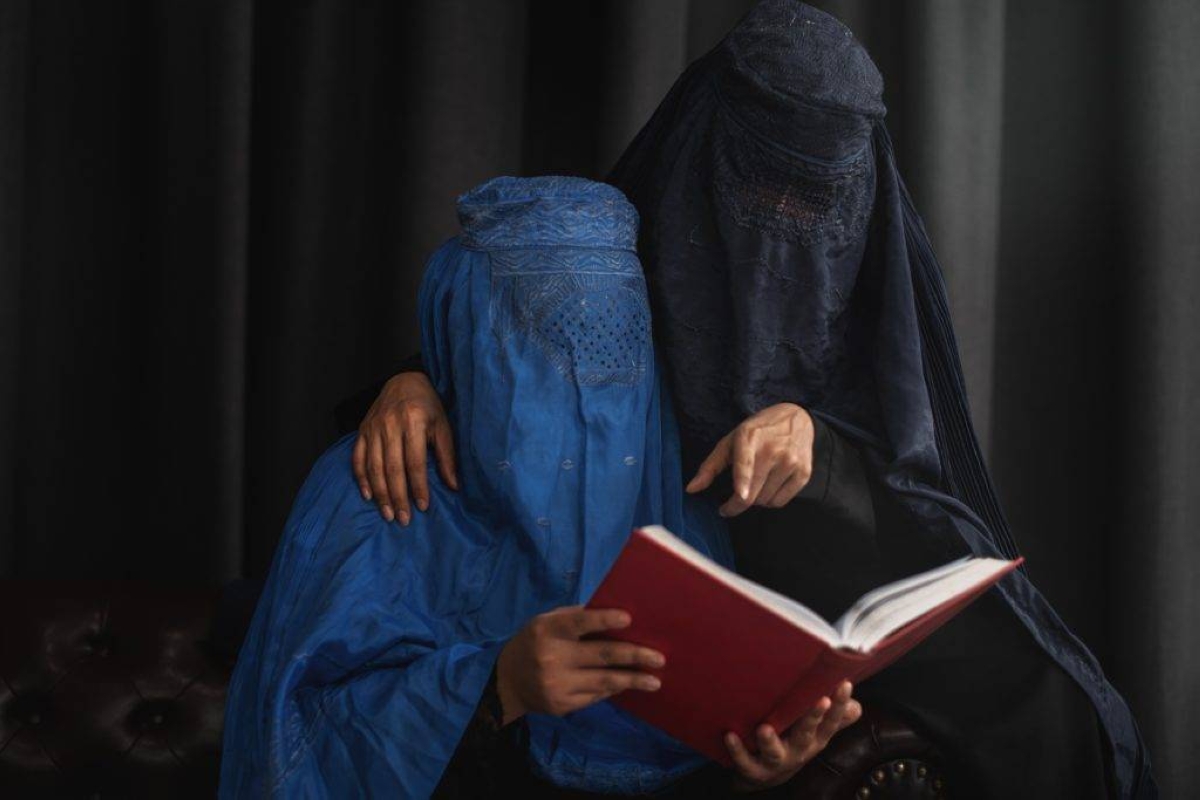
في خطوة جديدة تعكس تصعيد السيطرة على المحتوى التعليمي، أعلنت الحكومة الطالبانية حظر تدريس جميع الكتب المؤلفة من قبل نساء في الجامعات الأفغانية، وفقاً لتقرير نشرته هيئة الإذاعة البريطانية (بي بي سي) يوم الخميس.
يأتي هذا القرار جزءاً من حملة أوسع لمراجعة الأدبيات الجامعية، حيث تم حظر نحو 680 كتاباً، منها 140 كتاباً كُتِبَتْ من قبل نساء، بالإضافة إلى منع تدريس 18 مادة دراسية تتعارض مع «مبادئ الشريعة وسياسات النظام»، كما ورد في الإرشادات الرسمية.
كتب غير مسموح بتدريسها
وأكد عضو في اللجنة المسؤولة عن مراجعة الكتب لم تكشف «بي بي سي» عن هويته أن «جميع الكتب المؤلفة من قبل النساء غير مسموح بتدريسها»، مشيراً إلى أن القرار يهدف إلى منع «التسلل الثقافي»، خصوصاً من خلال الكتب الإيرانية، حيث يشكل 310 من الكتب المحظورة إصدارات إيرانية.
وأوضح زياور رحمان أريوبي، (نائب مدير أكاديمي في وزارة التعليم العالي التابعة للطالبان)، في رسالة موجهة إلى الجامعات أن القرارات صدرت عن «لجنة من العلماء الدينيين والخبراء»، وأنها تتوافق مع تفسير الطالبان للثقافة الأفغانية والشريعة الإسلامية.
ويعود هذا الحظر إلى سياق أوسع من الإجراءات التقييدية التي فرضتها طالبان منذ عودتها إلى السلطة في أغسطس 2021، بعد انسحاب القوات الأمريكية، ومنذ ذلك الحين، شهدت أفغانستان تدهوراً حاداً في حقوق المرأة والتعليم، حيث أصبحت النساء والفتيات هدفاً رئيسياً للسياسات المقيدة.
إغلاق دورات التمريض
وعلى سبيل المثال حظرت طالبان تعليم الفتيات منذ عام 2021، حيث يُمنَع على الفتيات الالتحاق بالمدارس الثانوية (بعد الصف السادس)، ما أدى إلى حرمان ملايين الفتيات من التعليم الثانوي والعالي، كما أُغْلِقَتْ دورات التمريض والقبالة للنساء في أواخر 2024، رغم أنها كانت من آخر الفرص التدريبية المتاحة لهن.
وحتى الجامعات، التي كانت تسمح بدراسة النساء في بعض التخصصات تحت إشراف صارم، أصبحت الآن عرضة لمراجعات مستمرة. المواد المحظورة الآن تشمل ست مواد تتعلق بالنساء تحديداً، مثل «الجندر والتنمية»، «دور المرأة في الاتصال»، و«علم الاجتماع النسوي»، بالإضافة إلى مواضيع مثل حقوق الإنسان والتحرش الجنسي.
ووفقاً لتقارير منظمة الأمم المتحدة، أدت هذه السياسات إلى عزل أفغانستان عن المجتمع الأكاديمي العالمي، حيث يُجْبَرُ الأساتذة الآن على إعداد فصول دراسية خاصة بهم، مع مراعاة «القيود الطالبانية».
In a new step reflecting the escalation of control over educational content, the Taliban government announced a ban on teaching all books authored by women in Afghan universities, according to a report published by the BBC on Thursday.
This decision is part of a broader campaign to review university literature, where about 680 books have been banned, including 140 books written by women, in addition to prohibiting the teaching of 18 subjects that contradict "the principles of Sharia and the policies of the regime," as stated in the official guidelines.
Books Not Allowed to Be Taught
A member of the committee responsible for reviewing the books, whose identity was not disclosed by the BBC, confirmed that "all books authored by women are not allowed to be taught," indicating that the decision aims to prevent "cultural infiltration," especially through Iranian books, as 310 of the banned books are Iranian publications.
Ziawar Rahman Aryobi, (Deputy Academic Director at the Taliban's Ministry of Higher Education), explained in a message to universities that the decisions were issued by "a committee of religious scholars and experts," and that they align with the Taliban's interpretation of Afghan culture and Islamic Sharia.
This ban is part of a broader context of restrictive measures imposed by the Taliban since their return to power in August 2021, following the withdrawal of U.S. forces. Since then, Afghanistan has witnessed a sharp decline in women's rights and education, with women and girls becoming a primary target of restrictive policies.
Closure of Nursing Courses
For example, the Taliban has banned girls from receiving an education since 2021, prohibiting them from attending secondary schools (after the sixth grade), which has deprived millions of girls of secondary and higher education. Additionally, nursing and midwifery courses for women were closed in late 2024, despite being one of the last training opportunities available to them.
Even universities, which previously allowed women to study in certain fields under strict supervision, are now subject to ongoing reviews. The banned subjects now include six topics specifically related to women, such as "Gender and Development," "The Role of Women in Communication," and "Feminist Sociology," in addition to topics like human rights and sexual harassment.
According to reports from the United Nations, these policies have isolated Afghanistan from the global academic community, as professors are now forced to prepare their own classes, taking into account "Taliban restrictions."