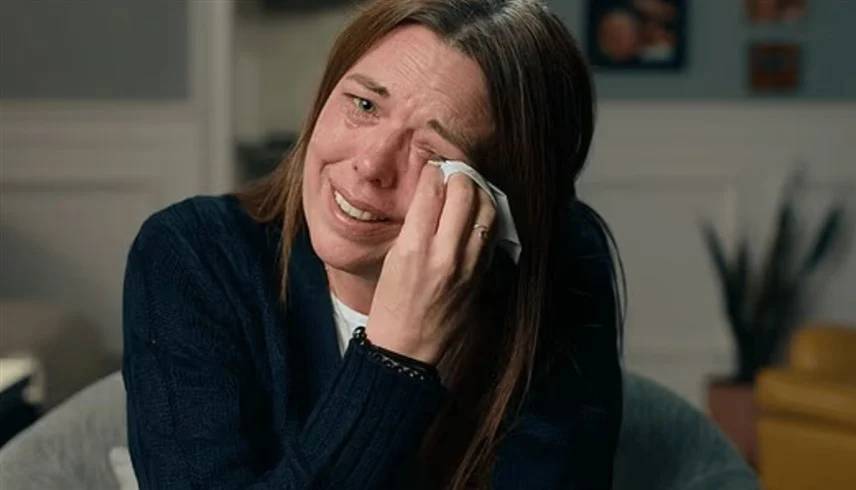
كشفت تحقيقات مكتب التحقيقات الفيدرالي (FBI) أن كندرا ليكاري (44 عاماً) كانت وراء حملة تنمر إلكتروني مكثفة استهدفت ابنتها لورين (13 عاماً) وصديقها أوين ماكيني، امتدت نحو عامين وتضمنت رسائل تحريضية على الانتحار وصلت إلى ثماني ساعات يومياً في ذروتها.
استدراج وبداية الحملة
بدأت حملات المضايقات في أكتوبر 2020، عندما أُضيفت المراهقتان إلى دردشة جماعية من رقم مجهول. وسرعان ما تحولت المحادثات إلى سيل من الرسائل المهينة التي استهدفت مظهر لورين وعلاقتها بأوين، وهدفها تدمير ثقتها بنفسها وإشعال الشكوك بين الطرفين.
رسائل تنهش نفسية مراهِقة
تضمنت الرسائل عبارات مباشرة تحرض على إيذاء النفس أو الانتحار مثل: «انتحري الآن» و«ستكون حياتك أفضل لو متّ». ووفق إفادات لورين في فيلم وثائقي على نتفليكس، كانت الرسائل تصل يومياً بمعدل لا يقل عن ست رسائل، بعضها يدعوها صراحةً لإنهاء حياتها، بينما سعت رسائل أخرى إلى إذكاء الغيرة وتفكيك علاقتها بصديقها.
اكتشاف الجاني وأدلة رقمية
عجزت الأسرة والمدرسة والشرطة المحلية في البداية عن تحديد مصدر الرسائل، حتى تدخل الـFBI الذي تعقّب عناوين الـIP المرتبطة بالدردشة وصولاً إلى أجهزة مألوفة داخل منزل العائلة. وعند المواجهة، اعترفت كندرا بإرسال معظم الرسائل، مبررة أفعالها بأنها «محاولة لكشف التحرش»، قبل أن تعترف أمام المحققين بأن الهوس بالتحكم دفعها للاستمرار.
تداعيات على العائلة
كشف التحقيق أيضاً تزييفاً في رواية كندرا لحياتها المهنية (فهي لم تكن تعمل كما زعمت) مما فاقم انهيار الثقة داخل الأسرة وبين عائلتي لورين وأوين. وحظر الحكم القضائي لقاء الأم بابنتها شخصياً وقضى عليها بالسجن فترة تراوح بين 19 شهراً و5 سنوات بعد إقرارها بتهمتي الاعتداء على قاصر. واستمر التواصل بين الأم والابنة بمحدودية، لكن العلاقة بينهما تبدو مؤكدة الاندثار.
تفسير الخبراء
وصف مختصون حالة كندرا بأنها تُشبه متلازمة مونشهاوزن بالوكالة الإلكترونية، حين يسعى أحد الوالدين لإبقاء الطفل في حالة اعتماد نفسي عبر إيذائه نفسياً بدلاً من الإيذاء الجسدي المباشر. وأشار المشرفون إلى أن الدافع هنا ليس مكسباً مادياً بل رغبة مرضية في الحصول على الانتباه والاعتماد.
ضحايا ومتابعات مستقبلية
لورين التي تدرس الآن علم الجريمة، تقول إنها تتمنى وجود والدتها في حياتها رغم الخيانة العميقة. وأثارت الحادثة نقاشاً واسعاً حول رقابة الوالدين على الحياة الرقمية للأطفال، وإمكانية وقوع الإساءة من أجل الهيمنة العاطفية داخل الأسرة نفسها، وفتحت الباب أمام مزيد من الاهتمام القانوني والعلاجي لحماية القُصّر من إساءات من هذا النوع.
Investigations by the Federal Bureau of Investigation (FBI) revealed that Kendra Likari (44 years old) was behind an intensive cyberbullying campaign targeting her daughter Lauren (13 years old) and her boyfriend Owen McKinney, which lasted for about two years and included messages inciting suicide that reached up to eight hours a day at its peak.
Enticement and the Start of the Campaign
The harassment campaigns began in October 2020, when the two teenagers were added to a group chat from an unknown number. The conversations quickly turned into a torrent of insulting messages targeting Lauren's appearance and her relationship with Owen, aiming to destroy her self-confidence and ignite doubts between the two.
Messages Gnawing at a Teenager's Psyche
The messages included direct phrases urging self-harm or suicide such as: "Kill yourself now" and "Your life would be better if you died." According to Lauren's statements in a documentary on Netflix, the messages arrived daily at a rate of no less than six messages, some explicitly urging her to end her life, while others sought to fuel jealousy and dismantle her relationship with her boyfriend.
Discovery of the Perpetrator and Digital Evidence
Initially, the family, school, and local police were unable to identify the source of the messages until the FBI intervened, tracing the IP addresses linked to the chat back to familiar devices inside the family's home. Upon confrontation, Kendra admitted to sending most of the messages, justifying her actions as "an attempt to expose the harassment," before confessing to investigators that her obsession with control drove her to continue.
Consequences for the Family
The investigation also revealed falsifications in Kendra's account of her professional life (she was not working as she claimed), which exacerbated the breakdown of trust within the family and between Lauren's and Owen's families. The court ruling prohibited the mother from meeting her daughter in person and sentenced her to a prison term ranging from 19 months to 5 years after she pleaded guilty to two counts of assaulting a minor. Communication between the mother and daughter continued to be limited, but their relationship appears to be on a certain path to extinction.
Expert Interpretations
Specialists described Kendra's condition as resembling Munchausen syndrome by proxy in an electronic form, where one parent seeks to keep the child in a state of psychological dependence by psychologically harming them instead of direct physical abuse. Supervisors pointed out that the motive here is not material gain but a pathological desire for attention and dependence.
Victims and Future Follow-ups
Lauren, who is now studying criminology, says she wishes her mother were in her life despite the deep betrayal. The incident sparked a wide discussion about parental supervision of children's digital lives, the possibility of abuse occurring for emotional dominance within the family itself, and opened the door to further legal and therapeutic interest in protecting minors from such abuses.