في وقت تسعى فيه معظم دول العالم إلى تعزيز حملات التطعيم ومكافحة التردد بشأن اللقاحات، تتخذ الولايات المتحدة الأمريكية مسارًا معاكسًا. ويقود وزير الصحة الأمريكي روبرت ف. كينيدي جونيور وزملاؤه من منتقدي اللقاحات جهودًا لتقليص الدعم لتطوير اللقاحات وترويجها وتوزيعها، تحت شعار MAHA – «اجعل أمريكا صحية مرة أخرى».
ضعف السياسات
وبحسب صحيفة نيويورك تايمز، أصبحت فلوريدا أول ولاية أمريكية تُعلن إلغاء متطلبات التطعيم الإلزامية. وقد أزال كينيدي التمويل عن أبحاث اللقاحات، واستبدل الخبراء بالمشككين، وقلل الوصول إلى لقاحات كوفيد-19، مما أدى إلى زيادة المخاطر على صحة الأطفال وتقويض ثقة الجمهور في اللقاحات عالميًا.
أثر عالمي محتمل
ويُحذر الخبراء من أن هذه السياسات قد تُحوّل حركة التردد الأمريكي تجاه اللقاحات إلى ظاهرة عالمية. فالولايات المتحدة، التي لطالما كانت رائدة في الصحة العامة، أصبحت الآن مصدر قلق عالمي بشأن الثقة في التطعيمات، فيما تواجه دول أخرى، خصوصًا تلك ذات النظم الصحية الأضعف، خطر تفشي الأمراض التي يمكن الوقاية منها.
تجارب عالمية
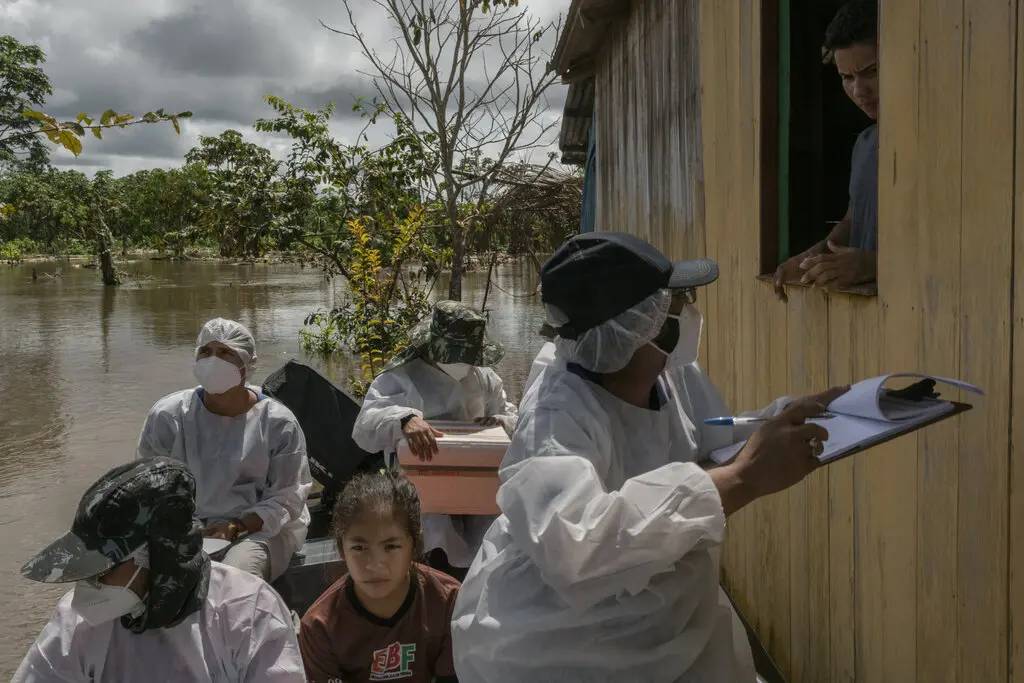
على عكس الولايات المتحدة، حافظت دول مثل فيتنام والبرازيل ونيجيريا على معدلات تطعيم عالية بعد جائحة كوفيد، واعتبرت اللقاحات جزءًا أساسيًا من الصحة العامة، مع حملات توعية قوية ومراقبة دقيقة لتغطية التطعيمات للأطفال.
خطر مستقبلي
إن مجرد حدوث انخفاض طفيف في معدلات التطعيم في أي دولة يمكن أن يفتح الباب أمام تفشيات جديدة للأمراض مثل الحصبة وشلل الأطفال والحمى الصفراء. وخبراء مثل باسيل رودريغيز من اليونيسف يؤكدون: «إذا لم يكن أحد محميًا، فهناك خطر على الجميع».
At a time when most countries around the world are striving to enhance vaccination campaigns and combat vaccine hesitancy, the United States is taking a contrary path. Led by U.S. Health Secretary Robert F. Kennedy Jr. and his fellow vaccine critics, efforts are underway to reduce support for the development, promotion, and distribution of vaccines, under the banner of MAHA – "Make America Healthy Again."
Weak Policies
According to The New York Times, Florida has become the first U.S. state to announce the cancellation of mandatory vaccination requirements. Kennedy has cut funding for vaccine research, replaced experts with skeptics, and reduced access to COVID-19 vaccines, resulting in increased risks to children's health and undermining public confidence in vaccines globally.
Potential Global Impact
Experts warn that these policies could turn American vaccine hesitancy into a global phenomenon. The United States, which has long been a leader in public health, is now a global concern regarding trust in vaccinations, while other countries, especially those with weaker health systems, face the risk of outbreaks of preventable diseases.
Global Experiences
Unlike the United States, countries like Vietnam, Brazil, and Nigeria have maintained high vaccination rates after the COVID pandemic, viewing vaccines as a crucial part of public health, with strong awareness campaigns and careful monitoring of vaccination coverage for children.
Future Risks
Even a slight decline in vaccination rates in any country can open the door to new outbreaks of diseases like measles, polio, and yellow fever. Experts like Basil Rodriguez from UNICEF emphasize: "If no one is protected, there is a risk to everyone."