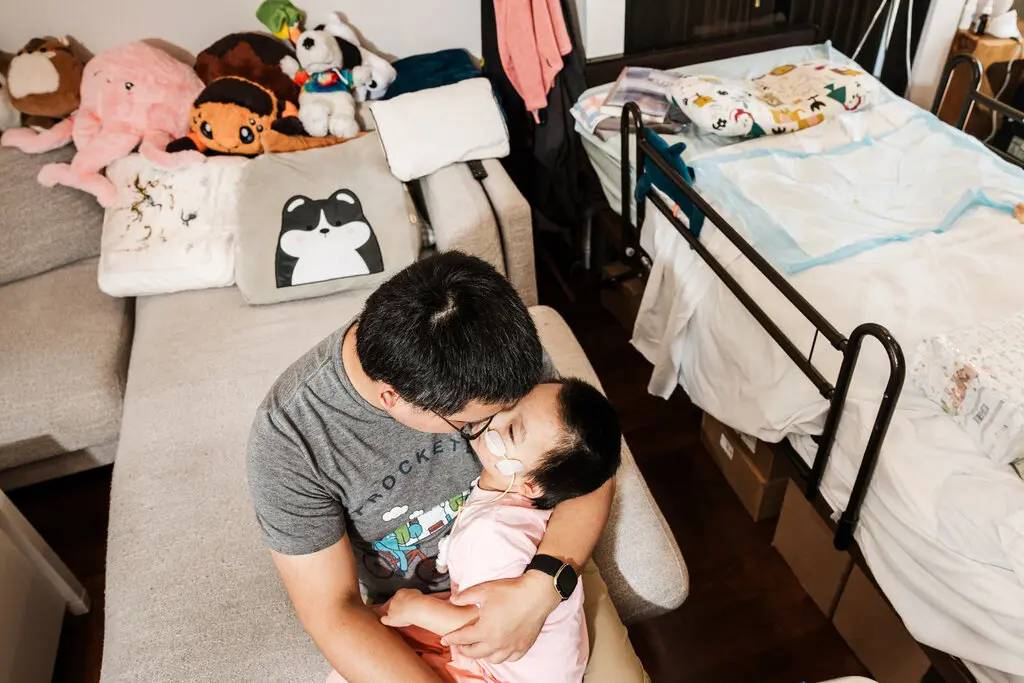
عانت الطفلة الأمريكية أوليفيا يانكسي لي (أربع سنوات) من مضاعفات نادرة للإصابة بالإنفلونزا، إذ أصيبت بـالتهاب الدماغ التنكسي الحاد (A.N.E) بعد أسابيع قليلة من عيد ميلادها الرابع. بعد أن كانت طفلة طبيعية تحب الجمباز، ومشاهدة أفلام الأطفال، ولديها قدرة على التحدث بطلاقة بالإنجليزية والصينية، قبل أن تتدهور حالتها فجأة بعد إصابتها بالإنفلونزا A.
أعراض مقلقة
في البداية، لم تبدُ أعراضها خطيرة، وجرى الاكتفاء بإرسالها إلى المنزل رغم ارتفاع حرارتها إلى 104 درجات فهرنهايت، قبل أن تتفاقم الحالة إلى 106.8، الأمر الذي استدعى نقلها إلى المستشفى، حيث تبيّن وجود تورّم واسع للدماغ وتلف في جذع الدماغ والثالاموس.
الواقع الصادم
حسب دراسة حديثة نشرتها صحيفة نيويورك تايمز، يُعد هذا المرض نادراً للغاية، مع 41 حالة جرى رصدها في مستشفيات الولايات المتحدة خلال الموسمين الماضيين للإنفلونزا، وأغلب الأطفال الذين توفوا لم يكونوا ملقحين. وتُظهر الأبحاث أن الأطفال المصابين غالباً ما يتعرضون لإعاقات عصبية طويلة المدى، بينما يستطيع بعضهم العودة للمدرسة واستعادة بعض قدراتهم تدريجياً.
رحلة علاج معقدة
بعد أن فشلت العلاجات الأولية في الولايات المتحدة، نقلت عائلة أوليفيا طفلتها إلى الصين، حيث خضعت لأشهر من العلاج الطبيعي، والعلاج بالأكسجين عالي الضغط، والإبر الدقيقة، بالإضافة إلى جلسات متقدمة بالليزر على منطقة الثالاموس المتضررة.
تحديات مستمرة
وحالياً، تستطيع أوليفيا بلع بعض الأطعمة اللينة، لكنها لا تستطيع الكلام أو المشي، وتعتمد على أنبوب تغذية، ولا تتعرف على والديها. ومع ذلك، يرى والدها ووالدتها أنه لا يزال هناك أمل في تحسن مهاراتها وذكرياتها جزئياً.
أهمية التطعيم
يؤكد الأطباء أن الإنفلونزا ليست مجرد مرض تنفسي بسيط، وأن الأطفال الذين يعانون من الحمى أو التشنجات يجب أن يُنظر إليهم كحالات طارئة. كما يشير الخبراء إلى أهمية التطعيم ضد الإنفلونزا لتقليل خطر المضاعفات النادرة والخطيرة مثل A.N.E.
The American girl Olivia Yanksy Lee (four years old) suffered from rare complications of influenza, as she developed acute necrotizing encephalopathy (A.N.E) just weeks after her fourth birthday. Once a normal child who loved gymnastics, watched children's movies, and was fluent in both English and Chinese, her condition suddenly deteriorated after contracting influenza A.
Concerning Symptoms
Initially, her symptoms did not seem severe, and she was sent home despite her fever rising to 104 degrees Fahrenheit, before her condition worsened to 106.8, which necessitated her transfer to the hospital, where extensive brain swelling and damage to the brainstem and thalamus were discovered.
Shocking Reality
According to a recent study published by The New York Times, this disease is extremely rare, with 41 cases reported in hospitals across the United States during the last two flu seasons, and most of the children who died were unvaccinated. Research shows that affected children often face long-term neurological disabilities, while some are able to return to school and gradually regain some of their abilities.
Complex Treatment Journey
After initial treatments in the United States failed, Olivia's family took her to China, where she underwent months of physical therapy, hyperbaric oxygen therapy, acupuncture, and advanced laser sessions on the affected thalamus area.
Ongoing Challenges
Currently, Olivia can swallow some soft foods, but she cannot speak or walk, relies on a feeding tube, and does not recognize her parents. Nevertheless, her father and mother believe there is still hope for her skills and memories to improve partially.
Importance of Vaccination
Doctors emphasize that influenza is not just a simple respiratory illness, and children who experience fever or seizures should be regarded as emergencies. Experts also highlight the importance of vaccination against influenza to reduce the risk of rare and serious complications like A.N.E.