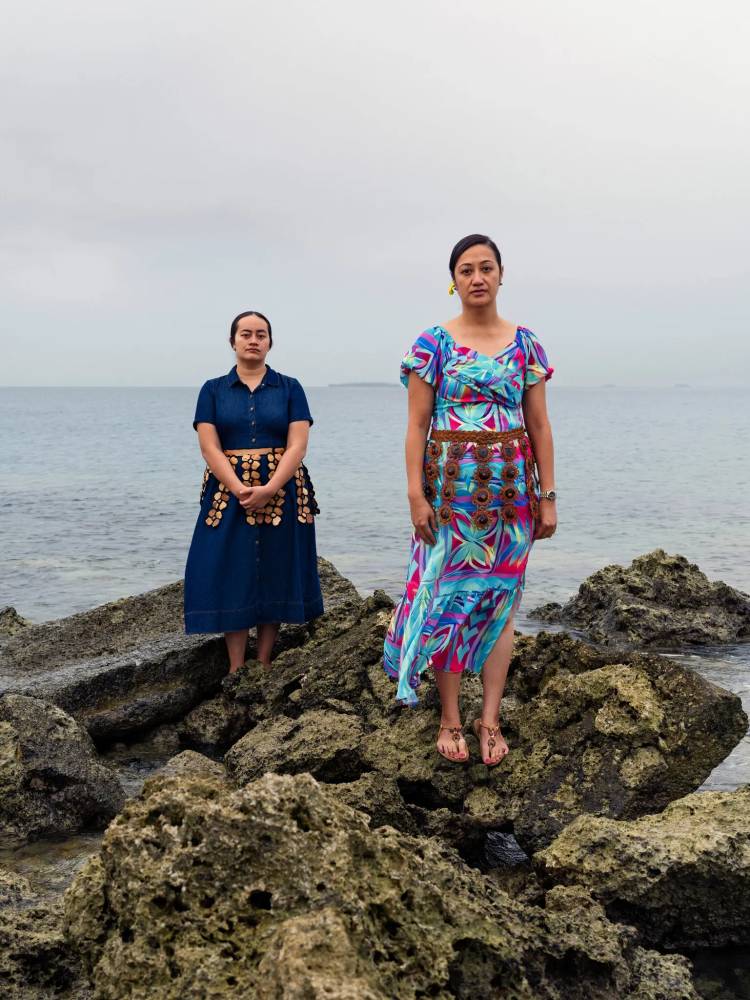
في عام 2019، جلس مجموعة من طلاب جزر المحيط الهادئ أمام شاشاتهم في جامعة جنوب المحيط الهادئ (USP)، متابعين درسًا في القانون البيئي الدولي بقيادة الخبير الأسترالي جاستن روز. ما بدأ كدرس أكاديمي تحول سريعًا إلى خطة عملية لمواجهة أكبر تهديد يواجه جزرهم: تغير المناخ.
تأثيرات التغير المناخي
طلاب من تونغا، وساموا، وفيجي شهدوا بنفسهم آثار الكوارث المناخية:
- ارتفاع منسوب البحار يبتلع الشواطئ والقرى.
- الأعاصير الاستوائية القوية التي تدمر المنازل والبنية التحتية.
- تدهور الشعاب المرجانية الذي يؤثر على الصيد والغذاء.
- اختلاط مياه البحر بمصادر المياه العذبة، مما يقوض الزراعة والشرب.
وقالت سوليا ماكاسيني من تونغا: «يمكن لأي شخص أن يرى أن تغير المناخ هو أكبر تهديد نواجهه اليوم».
القانون الدولي أداة للمساءلة
الطلاب لم يكتفوا بالمشاهدة، بل بدأوا في دراسة القانون الدولي لفهم مسؤوليات حكوماتهم وكيف يمكن تحميل الدول الأكثر تلوثًا المسؤولية عن أزمة المناخ. بالنسبة لدول صغيرة مثل تونغا، التي تساهم بنسبة ضئيلة جدًا في الانبعاثات العالمية، كان هذا البحث مسألة حياة أو موت.
انعكاسات عالمية
ما بدأ كمناقشة صفية تحول إلى مبادرات تهدف إلى إعادة تشكيل السياسات المناخية على المستوى الدولي. من خلال العمل القانوني والضغط السياسي، وأثبت هؤلاء الطلاب أن أصوات الجزر الصغيرة يمكن أن تهز موازين القوة العالمية، وتدفع نحو العدالة المناخية.
In 2019, a group of students from the Pacific Islands sat in front of their screens at the University of the South Pacific (USP), following a lesson in international environmental law led by Australian expert Justin Rose. What started as an academic lesson quickly transformed into a practical plan to tackle the greatest threat facing their islands: climate change.
Effects of Climate Change
Students from Tonga, Samoa, and Fiji witnessed firsthand the impacts of climate disasters:
- Rising sea levels swallowing beaches and villages.
- Powerful tropical storms destroying homes and infrastructure.
- Coral reef degradation affecting fishing and food supply.
- Saltwater intrusion into freshwater sources, undermining agriculture and drinking water.
Sulia Makasini from Tonga said, “Anyone can see that climate change is the biggest threat we face today.”
International Law as a Tool for Accountability
The students did not just watch; they began studying international law to understand their governments' responsibilities and how to hold the most polluting countries accountable for the climate crisis. For small nations like Tonga, which contribute a negligible amount to global emissions, this research was a matter of life and death.
Global Implications
What started as a classroom discussion evolved into initiatives aimed at reshaping climate policies at the international level. Through legal work and political advocacy, these students demonstrated that the voices of small islands can shake the balance of global power and push for climate justice.