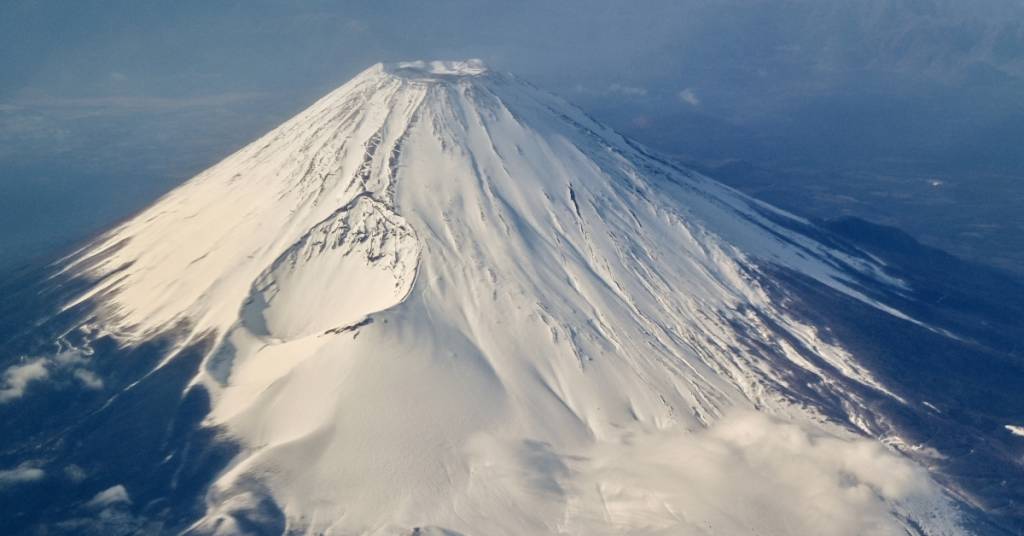
في خطوة لافتة، أطلقت حكومة طوكيو سلسلة فيديوهات مولّدة بالذكاء الاصطناعي تحاكي سيناريو محتمل لثوران جبل فوجي، رغم تأكيد الخبراء أن الجبل الأشهر في اليابان لا يُظهر أي إشارات على نشاط وشيك.
الفيديوهات التي صدرت تزامناً مع يوم الاستعداد للكوارث البركانية، أظهرت أعمدة هائلة من الرماد البركاني تغطي سماء العاصمة، ما يؤدي إلى شلل البنية التحتية وتعطيل إمدادات الغذاء والطاقة وجعل الهواء شبه خانق خلال ساعات قليلة فقط.
التاريخ يعيد المخاوف
آخر ثوران سجله جبل فوجي كان عام 1707، أي قبل أكثر من ثلاثة قرون. ومنذ ذلك الحين، ظل الجبل ساكناً، لكن موقع اليابان على حلقة النار في المحيط الهادئ وامتلاكها أكثر من 111 بركاناً نشطاً يجعل احتمالية عودة فوجي للحياة هاجساً دائماً.
لا مؤشرات خطيرة حالياً
وأوضح خبير الكوارث في جامعة طوكيو البروفيسور ناويا سيكيا، أن إصدار الفيديوهات لا يعني وجود تهديد وشيك، بل يأتي في إطار رفع الوعي العام. وأضاف أن الهدف هو تذكير السكان بضرورة الاستعداد الدائم عبر تخزين الأغذية المعلبة وأدوات الإسعاف الأولية تحسباً لأي طارئ.
قلق من الرسائل المتناقضة
رغم تطمينات المسؤولين، أثارت الفيديوهات حالة من القلق لدى بعض المواطنين. وقال شينيتشيرو كاريا، وهو موظف في القطاع الصحي يبلغ من العمر 57 عاماً: «لماذا نتلقى الآن تحذيرات عن احتمال سقوط 10 سنتيمترات من الرماد حتى في طوكيو؟ هذا يثير تساؤلات كثيرة».
نموذج في مواجهة الكوارث
تُعرف اليابان بكونها من أكثر دول العالم استعداداً للكوارث الطبيعية، سواء كانت زلازل أو أعاصير أو ثوران براكين. ومع ذلك، يرى مراقبون أن نشر هذه المحاكاة الرقمية بتلك الدراماتيكية قد يُسهم في نشر الهلع أكثر مما يُسهم في التوعية.
In a notable move, the Tokyo government launched a series of AI-generated videos simulating a potential scenario of Mount Fuji erupting, despite experts confirming that Japan's most famous mountain shows no signs of imminent activity.
The videos, released in conjunction with Volcano Preparedness Day, depicted massive columns of volcanic ash covering the capital's sky, leading to infrastructure paralysis, disruption of food and energy supplies, and making the air nearly suffocating within just a few hours.
History Revives Fears
The last recorded eruption of Mount Fuji was in 1707, over three centuries ago. Since then, the mountain has remained dormant, but Japan's location on the Pacific Ring of Fire and its possession of more than 111 active volcanoes makes the possibility of Fuji coming back to life a constant concern.
No Serious Indicators Currently
Disaster expert at the University of Tokyo, Professor Naoya Sekiya, clarified that the release of the videos does not indicate an imminent threat but is part of raising public awareness. He added that the goal is to remind residents of the necessity of constant preparedness by stockpiling canned food and first aid supplies in anticipation of any emergency.
Concerns Over Conflicting Messages
Despite officials' reassurances, the videos have raised anxiety among some citizens. Shinichiro Kariya, a 57-year-old health sector employee, said, "Why are we receiving warnings now about the possibility of 10 centimeters of ash even in Tokyo? This raises many questions."
A Model in Disaster Preparedness
Japan is known as one of the most disaster-prepared countries in the world, whether for earthquakes, typhoons, or volcanic eruptions. However, observers believe that releasing such dramatic digital simulations may contribute to spreading panic more than it contributes to awareness.