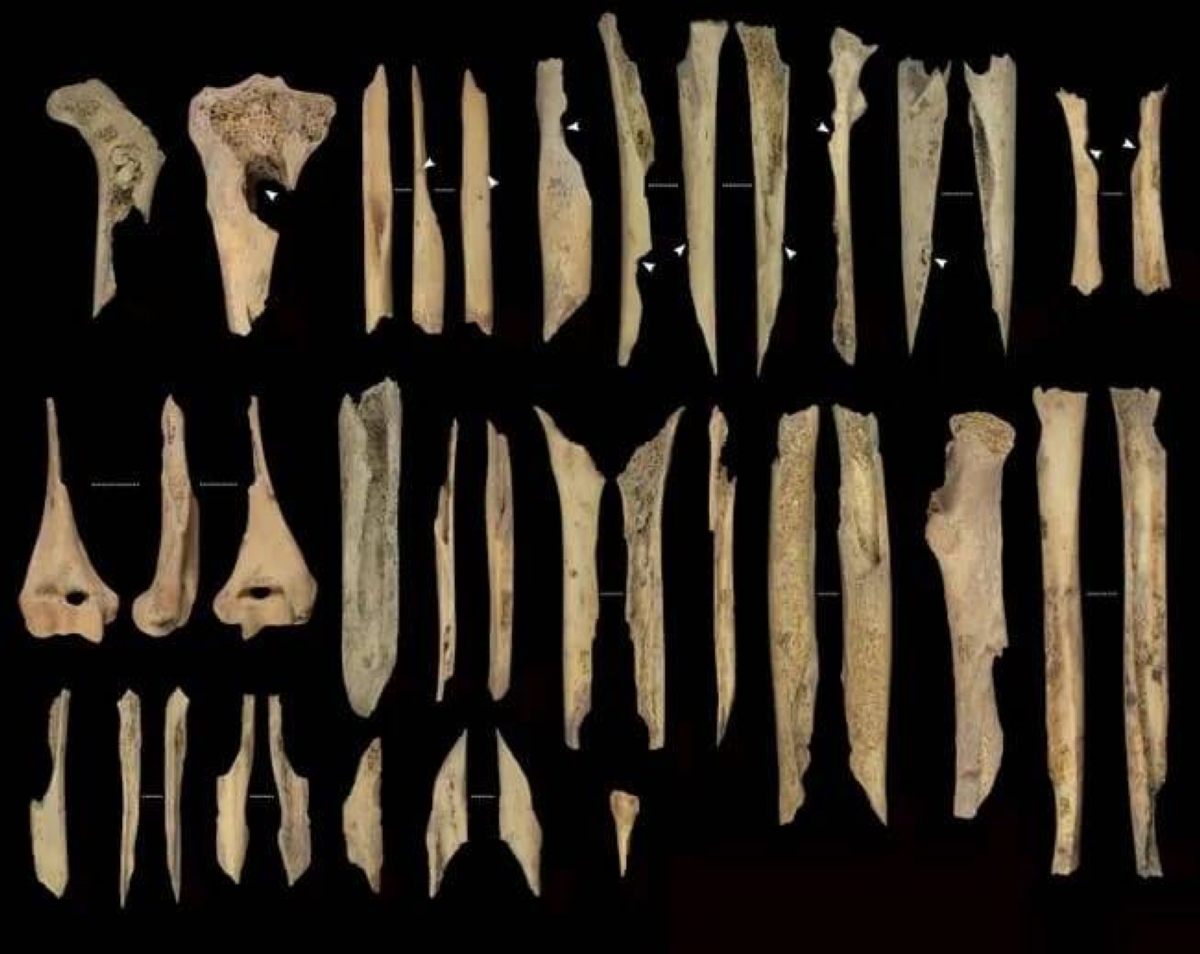
أعلن باحثون في معهد كتالونيا لعلم البيئة القديمة وتطور الإنسان، عن واحدة من أكثر الاكتشافات العلمية إثارة للجدل هذا العام، حيث عثروا على دليل قاطع يثبت أول جريمة قتل موثقة في تاريخ إسبانيا، تعود أحداثها إلى أكثر من 4000 عام مضت، في العصر الحجري الحديث (النيوليثي).
وشمل الاكتشاف، الذي تم في كهف إل ميرادور في جبال أتابويركا الشمالية، عن بقايا بشرية لـ11 فردًا على الأقل، تعرضوا للقتل والأكل من قبل مجموعة أخرى، ما يشير إلى ممارسة «الكانيباليزم الحربي» كوسيلة للقضاء النهائي على الأعداء.
ووفقًا للدراسة المنشورة في مجلة «Scientific Reports»، تم العثور على أكثر من 650 قطعة عظمية بشرية تعود إلى نحو 5700 عام مضت (أي نحو 3700 قبل الميلاد)، تشمل أربعة بالغين، اثنين من الشباب، وثلاثة أطفال تحت سن السابعة، بالإضافة إلى فردين آخرين غير محددي العمر.
وأظهرت العظام علامات واضحة على الذبح، مثل الشقوق الناتجة عن أدوات حجرية، والكسور لاستخراج النخاع، والحروق الناتجة عن الغليان، والأسنان البشرية المطبوعة عليها، ما يؤكد أن هذه الأفراد – ربما عائلة نووية أو ممتدة – قُتلوا في حدث واحد قصير المدة، ربما خلال أيام قليلة، ثم أُكلوا كجزء من صراع قبلي.
وقال فرانسيسك مارغينيداس، أحد الباحثين الرئيسيين في معهد كتالونيا لعلم البيئة القديمة وجامعة روفيرا إي فيجيلي: «هذا لم يكن طقسًا جنائزيًا أو رد فعل على مجاعة، بل كان كانيباليزمًا حربيًا يهدف إلى الإبادة النهائية للأعداء، ما يعكس الصراعات العنيفة في نهاية العصر النيوليثي».
وأثار الاكتشاف جدلاً واسعًا بين العلماء، حيث يُعتبر أول دليل قاطع على جريمة قتل جماعي موثقة في إسبانيا، ويُضيف إلى أدلة متزايدة على انتشار الكانيباليزم في أوروبا خلال الانتقال من الصيد إلى الزراعة.
وأكد أنطونيو رودريغيز-هيدالغو، عالم آثار في معهد كتالونيا، أن «الصراعات والاستراتيجيات لإدارتها جزء من الطبيعة البشرية، وحتى في المجتمعات الصغيرة غير الطبقية، يمكن أن تحدث حلقات عنف تؤدي إلى أكل الأعداء»، لم يتم العثور على إصابات قاتلة مباشرة على العظام، لكن العلماء يؤكدون أن ذلك لا ينفي القتل، حيث لا تترك العديد من الإصابات القاتلة آثارًا على العظام.
كما أن الكهف تحول من مكان لتربية الماشية إلى موقع جنائزي في العصر النحاسي اللاحق، ما يشير إلى تغيير جذري في الاستخدام بعد الحدث العنيف.
ويعد هذا الاكتشاف جزءًا من مشروع أتابويركا الذي يديره معهد كتالونيا بالتعاون مع مراكز بحثية أخرى، وهو يعزز فهم التحولات الاجتماعية في شبه الجزيرة الإيبيرية خلال النيوليثي، حيث أدت الزراعة إلى الاستقرار السكاني والمنافسات على الموارد.
Researchers at the Catalonia Institute of Palaeoecology and Human Evolution have announced one of the most controversial scientific discoveries this year, having found conclusive evidence of the first documented murder in the history of Spain, dating back more than 4,000 years to the Neolithic period.
The discovery, made in the El Mirador cave in the northern Atapuerca Mountains, included human remains of at least 11 individuals who were killed and eaten by another group, indicating the practice of "war cannibalism" as a means of final extermination of enemies.
According to the study published in the journal Scientific Reports, more than 650 human bone fragments dating back about 5,700 years (around 3700 BC) were found, including four adults, two youths, and three children under the age of seven, as well as two other individuals of indeterminate age.
The bones showed clear signs of slaughter, such as cuts from stone tools, fractures for marrow extraction, burns from boiling, and human teeth marks, confirming that these individuals – possibly a nuclear or extended family – were killed in a single short-lived event, perhaps over a few days, and then consumed as part of tribal conflict.
Francesc Marginedas, one of the lead researchers at the Catalonia Institute of Palaeoecology and Rovira i Virgili University, stated: "This was not a funerary ritual or a response to famine, but rather war cannibalism aimed at the final extermination of enemies, reflecting the violent conflicts at the end of the Neolithic period."
The discovery has sparked widespread debate among scientists, as it is considered the first conclusive evidence of documented mass murder in Spain, adding to the growing evidence of the prevalence of cannibalism in Europe during the transition from hunting to agriculture.
Antonio Rodríguez-Hidalgo, an archaeologist at the Catalonia Institute, confirmed that "conflicts and strategies to manage them are part of human nature, and even in small non-hierarchical societies, cycles of violence can occur that lead to the consumption of enemies." No direct fatal injuries were found on the bones, but scientists assert that this does not negate murder, as many fatal injuries leave no traces on bones.
Additionally, the cave transitioned from a place for livestock breeding to a burial site in the later Copper Age, indicating a radical change in use following the violent event.
This discovery is part of the Atapuerca project managed by the Catalonia Institute in collaboration with other research centers, enhancing the understanding of social transformations in the Iberian Peninsula during the Neolithic, where agriculture led to population stability and competition for resources.