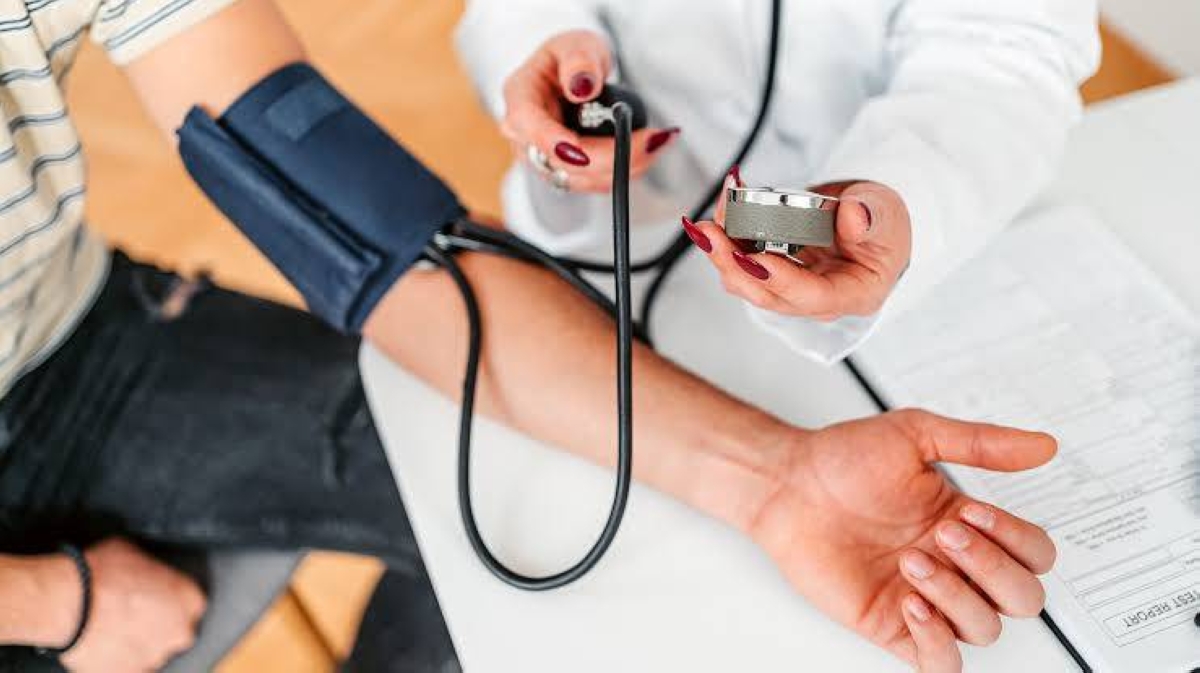
حذر خبراء صحيون من أن السكريات المضافة الموجودة في الأطعمة والمشروبات فائقة المعالجة قد تُسبب ارتفاع ضغط الدم، مما يزيد من مخاطر الإصابة بالنوبات القلبية، السكتات الدماغية، والوفاة المبكرة.
وأظهرت الأبحاث أن الأشخاص الذين يحصلون على أكثر من ربع سعراتهم اليومية من السكريات المضافة، الموجودة في منتجات مثل المشروبات الغازية والوجبات الجاهزة، يواجهون مخاطر الوفاة بأمراض القلب بثلاثة أضعاف مقارنة بغيرهم.
وبحسب صحيفة «ديلي ميل» يعاني حوالى 14 مليون شخص في المملكة المتحدة من ارتفاع ضغط الدم، لكن غياب الأعراض يجعل الكثيرين لا يدركون إصابتهم حتى تتسبب الحالة بأضرار جسيمة.
وأوضح الخبراء أن الافتقار إلى الوعي بمستويات السكر المضاف في الأطعمة الشائعة يؤدي إلى استهلاك مفرط، مما يزيد من مخاطر الإصابة بحالات صحية مهددة للحياة.
وتُظهر الدراسات أن السكريات المضافة تُسهم في متلازمة التمثيل الغذائي، وهي مجموعة من المشكلات الصحية التي تزيد من مخاطر الإصابة بالسكري من النوع الثاني وأمراض القلب والأوعية الدموية.
وتُشير الأبحاث إلى أن تناول المشروبات السكرية أكثر من ثماني مرات أسبوعيًا يزيد مخاطر تمدد الأوعية الدموية القلبية بنسبة ثلث تقريبًا، وفشل القلب أو السكتة الدماغية بنسبة خُمس.
كما أن ارتفاع مستويات حمض اليوريك الناتج عن السكريات قد يُعيق إنتاج أكسيد النيتريك في الكلى، مما يؤدي إلى انقباض الأوعية الدموية وتحفيز نظام «رينين-أنجيوتنسين-ألدوستيرن»، الذي يؤثر على توازن الكهارل في الدم، مما قد يُسبب ارتفاع ضغط الدم.
وكشفت دراسة صينية أن كل 100 غرام إضافية يتم استهلاكها يوميًا من الأطعمة فائقة المعالجة، التي تحتوي على نسب عالية من السكر والصوديوم، تزيد مخاطر الأحداث القلبية الوعائية بنسبة 6% تقريبًا، مع ارتفاع مخاطر ارتفاع ضغط الدم بنسبة 14.5%.
وتُشمل الأطعمة فائقة المعالجة المنتجات التي تحتوي على ألوان صناعية، مواد تحلية، ومواد حافظة تُطيل مدة الصلاحية.
في سياق متصل، يُتوقع أن يستفيد ملايين البريطانيين من دواء جديد يُدعى «باكسدروستات»، وصفه الخبراء بـ«انتصار علمي» لكونه أول علاج يستهدف السبب الجذري لارتفاع ضغط الدم.
ومن المتوقع أن يُتاح الدواء في الخدمة الصحية الوطنية (NHS) بحلول العام القادم، ويأتي هذا في وقت بلغت فيه الوفيات المبكرة من أمراض القلب والأوعية الدموية أعلى مستوياتها في أكثر من عقد، مدفوعة بعوامل مثل قلة النوم، النظام الغذائي السيئ، الإفراط في الكحول، والتوتر المزمن خاصة بين الشباب.
Health experts have warned that added sugars found in ultra-processed foods and drinks may cause high blood pressure, increasing the risk of heart attacks, strokes, and early death.
Research has shown that individuals who get more than a quarter of their daily calories from added sugars, found in products like soft drinks and ready meals, face a threefold increased risk of dying from heart disease compared to others.
According to the Daily Mail, around 14 million people in the UK suffer from high blood pressure, but the absence of symptoms means many are unaware of their condition until it causes serious damage.
Experts explained that the lack of awareness about added sugar levels in common foods leads to excessive consumption, increasing the risk of life-threatening health conditions.
Studies show that added sugars contribute to metabolic syndrome, a cluster of health issues that raise the risk of type 2 diabetes and cardiovascular diseases.
Research indicates that consuming sugary drinks more than eight times a week increases the risk of heart aneurysms by nearly a third, and heart failure or stroke by one-fifth.
Additionally, elevated levels of uric acid resulting from sugars may hinder nitric oxide production in the kidneys, leading to blood vessel constriction and stimulating the renin-angiotensin-aldosterone system, which affects electrolyte balance in the blood, potentially causing high blood pressure.
A Chinese study revealed that every additional 100 grams consumed daily of ultra-processed foods, which contain high levels of sugar and sodium, increases the risk of cardiovascular events by nearly 6%, with a 14.5% rise in the risk of high blood pressure.
Ultra-processed foods include products that contain artificial colors, sweeteners, and preservatives that extend shelf life.
In a related context, millions of Britons are expected to benefit from a new drug called Paxlovid, described by experts as a "scientific triumph" as it is the first treatment targeting the root cause of high blood pressure.
The drug is expected to be available in the National Health Service (NHS) by next year, coming at a time when early deaths from cardiovascular diseases have reached their highest levels in over a decade, driven by factors such as lack of sleep, poor diet, excessive alcohol, and chronic stress, particularly among young people.