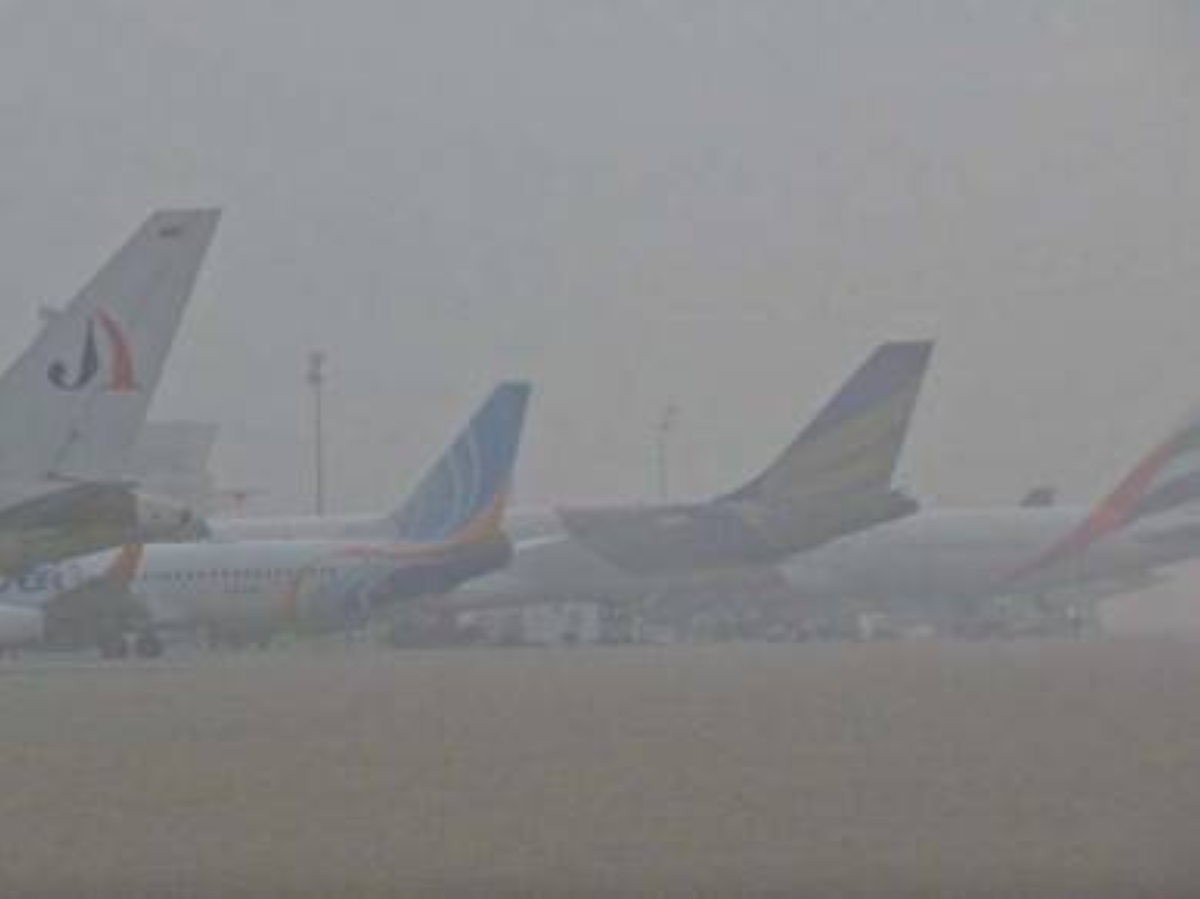
أعلنت السلطات الباكستانية استمرار تعليق جميع الرحلات الجوية لليوم الرابع على التوالي، بمطار سيالكوت الدولي، بسبب الفيضانات التي اجتاحت المناطق المحيطة، حيث اخترقت المياه الحواجز الواقية من الجهة الجنوبية، وتسربت إلى أجزاء من المطار، ما استدعى إصدار إخطار للطيارين لتعليق العمليات.
ووفقا للمتحدث باسم مطار سيالكوت الدولي، عمير خان، أنه على الرغم من أن المدرج ومبنى الركاب ومنطقة وقوف السيارات لم تتأثر، إلا أن الإدارة أكدت أن السلامة هي الأولوية القصوى، وأنه تم نشر مضخات تصريف المياه والآلات الثقيلة، مع عمل الطواقم على مدار الساعة لتصريف المياه المتراكمة.
ونقلت شركة الخطوط الجوية الدولية الباكستانية جميع رحلاتها من سيالكوت إلى مطار علامة إقبال الدولي في لاهور، ما تسبب في تأخيرات وإلغاءات طالت 14 رحلة دولية يوم السبت وحده، وطُلب من المسافرين التواصل مع مركز اتصال الشركة للحصول على تحديثات حول الجداول الزمنية.
وحذرت إدارة الأرصاد الجوية الباكستانية من استمرار الأمطار الغزيرة حتى 2 سبتمبر، ما يزيد من مخاطر الفيضانات في مناطق أخرى مثل إقليم السند، ودعا رئيس الوزراء شهباز شريف إلى بناء سدود جديدة لتخزين المياه والحد من الفيضانات، مؤكدا أن باكستان من بين أكثر 10 دول تأثرا بتغير المناخ.
وتشهد باكستان منذ أواخر يونيو موجة فيضانات كارثية، هي الأسوأ منذ فيضانات 2022 التي تسببت في أضرار تجاوزت 14.9 مليار دولار، وتسببت الأمطار الموسمية الغزيرة، إلى جانب إطلاق المياه الزائدة من السدود الهندية في أنهار السند والتشيناب والراوي، في فيضانات عارمة اجتاحت إقليم البنجاب، وخصوصا مدينة سيالكوت.
وسجلت سيالكوت هطول أمطار قياسي بلغ 363.5 ملم خلال 24 ساعة في أغسطس، محطما الرقم القياسي السابق المسجل عام 1976 (339.7 ملم)، حيث أدت الفيضانات إلى غمر أكثر من 1400 قرية، وتشريد أكثر من 210,000 شخص، ومصرع ما يقرب من 830 شخصا في جميع أنحاء البلاد، مع توقعات بمزيد من الأمطار حتى سبتمبر.
وتأثر مطار سيالكوت الدولي، وهو أول مطار دولي مملوك للقطاع الخاص في العالم، بشكل مباشر بسبب اقتراب المياه من المناطق الجنوبية للمطار، ما دفع السلطات إلى إصدار إخطار للطيارين لتعليق العمليات الجوية منذ 28 أغسطس وتم تحويل الرحلات إلى مطار لاهور.
The Pakistani authorities announced the continued suspension of all flights for the fourth consecutive day at Sialkot International Airport due to the floods that have swept through the surrounding areas, as water breached the protective barriers from the southern side and seeped into parts of the airport, prompting the issuance of a notice to pilots to suspend operations.
According to the spokesperson for Sialkot International Airport, Umair Khan, although the runway, passenger terminal, and parking area were not affected, the management confirmed that safety is the top priority, and water drainage pumps and heavy machinery have been deployed, with crews working around the clock to drain the accumulated water.
Pakistan International Airlines transferred all its flights from Sialkot to Allama Iqbal International Airport in Lahore, causing delays and cancellations affecting 14 international flights on Saturday alone, and travelers were advised to contact the airline's call center for updates on schedules.
The Pakistan Meteorological Department warned of continued heavy rains until September 2, increasing the risk of flooding in other areas such as Sindh province. Prime Minister Shahbaz Sharif called for the construction of new dams to store water and mitigate flooding, emphasizing that Pakistan is among the top 10 countries most affected by climate change.
Since late June, Pakistan has been experiencing catastrophic flooding, the worst since the 2022 floods that caused damages exceeding $14.9 billion. The heavy monsoon rains, along with the release of excess water from Indian dams into the Sindh, Chenab, and Ravi rivers, have resulted in widespread flooding that has swept through Punjab province, particularly in Sialkot city.
Sialkot recorded a record rainfall of 363.5 mm within 24 hours in August, breaking the previous record set in 1976 (339.7 mm), as the floods submerged more than 1,400 villages, displaced over 210,000 people, and resulted in the deaths of nearly 830 individuals across the country, with more rain expected until September.
Sialkot International Airport, the world's first privately-owned international airport, has been directly affected due to the rising waters from the southern areas of the airport, prompting authorities to issue a notice to pilots to suspend air operations since August 28, and flights have been diverted to Lahore Airport.