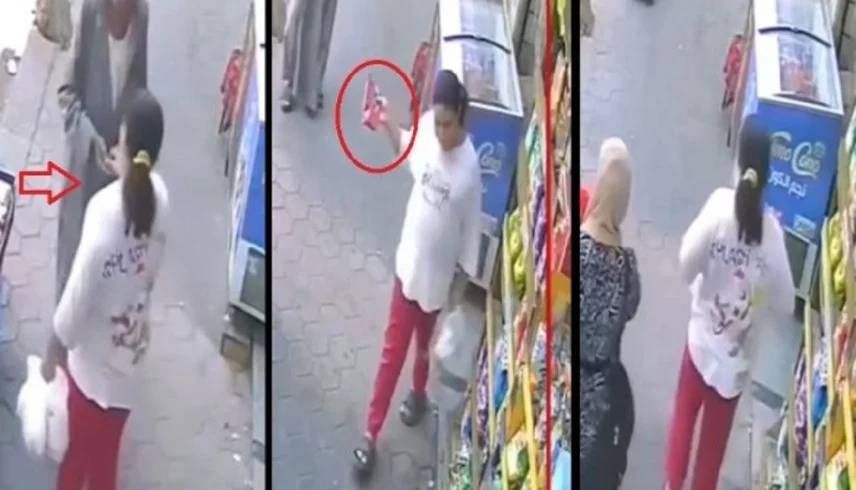
أثارت الطفلة المصرية هايدي الشهيرة بـ«فتاة الشيبسي»، ضجة واسعة في الأيام الأخيرة بعد تفاعلها الواسع على مواقع التواصل الاجتماعي، وسط جدل كبير بين تكريمها الرسمي والتحذيرات المجتمعية من تأثير الترندات على الأطفال.
أصبح اسم هايدي حديث السوشيال ميديا بعد انتشار فيديو لها وهي تمنح ثمن كيس «شيبس» لمواطن عابر في الشارع، وهو تصرف عفوي اعتبره كثيرون تجسيدًا لأسمى معاني الإيثار. لكن هل كان هذا التصرف مجرد لحظة عفوية أم محاولة لجذب الأضواء؟
في الوقت الذي نالت فيه الطفلة إعجابًا واسعًا، أبدت وزيرة التضامن الاجتماعي مايا مرسي قلقها من خطورة ربط الأعمال الخيرية بالمكافآت الإعلامية. وأكدت أن هذا قد يزرع شعورًا بالظلم لدى الأطفال الذين قد لا يحظون بنفس الاهتمام، مما يؤدي إلى تأثير سلبي على قيم العطاء لديهم في المستقبل.
وفي مفاجأة سارة، حقق الفنان تامر حسني حلم الطفلة بعدما أعربت عن حبها له ورغبتها في لقائه. هذه اللفتة أضافت لمسة من الفرح بعد الجدل الذي أثارته القصة.
ورغم التحذيرات كان للمجلس القومي للطفولة والأمومة رأي آخر، إذ منح الطفلة لقب «سفيرة الإيثار» في احتفالية خاصة. ووجهت رئيسة المجلس سحر السنباطي الشكر للأسرة التي غرست في الطفلة قيم العطاء، كما قدمت لها درع المجلس وعددًا من الهدايا العينية.
وبينما يتفق الجميع على قيمة ما قامت به هايدي من عطاء، يبقى السؤال مطروحًا: هل ينبغي للأطفال أن يتعلموا العطاء من أجل الأثر الإيجابي على الآخرين فقط، أم أن الشهرة والمكافآت يجب أن تكون جزءًا من العملية؟
The Egyptian girl Haidy, known as the "Chips Girl," has stirred widespread controversy in recent days following her extensive interaction on social media, amidst a significant debate between her official recognition and community warnings about the impact of trends on children.
Haidy's name became a hot topic on social media after a video of her went viral, showing her giving the price of a bag of "chips" to a passerby in the street, an impulsive act that many considered a manifestation of the highest meanings of altruism. But was this act merely a spontaneous moment or an attempt to attract attention?
While the girl received widespread admiration, Minister of Social Solidarity Maya Morsi expressed her concern about the dangers of linking charitable acts to media rewards. She emphasized that this could instill a sense of injustice in children who may not receive the same attention, leading to a negative impact on their values of giving in the future.
In a pleasant surprise, artist Tamer Hosny fulfilled the girl's dream after she expressed her love for him and her desire to meet him. This gesture added a touch of joy following the controversy that the story generated.
Despite the warnings, the National Council for Childhood and Motherhood had a different opinion, as they awarded the girl the title of "Ambassador of Altruism" in a special celebration. The council's president, Sahar El-Sunbati, thanked the family for instilling values of giving in the girl, and presented her with a council shield and several material gifts.
While everyone agrees on the value of what Haidy did in terms of giving, the question remains: Should children learn to give solely for the positive impact on others, or should fame and rewards be part of the process?