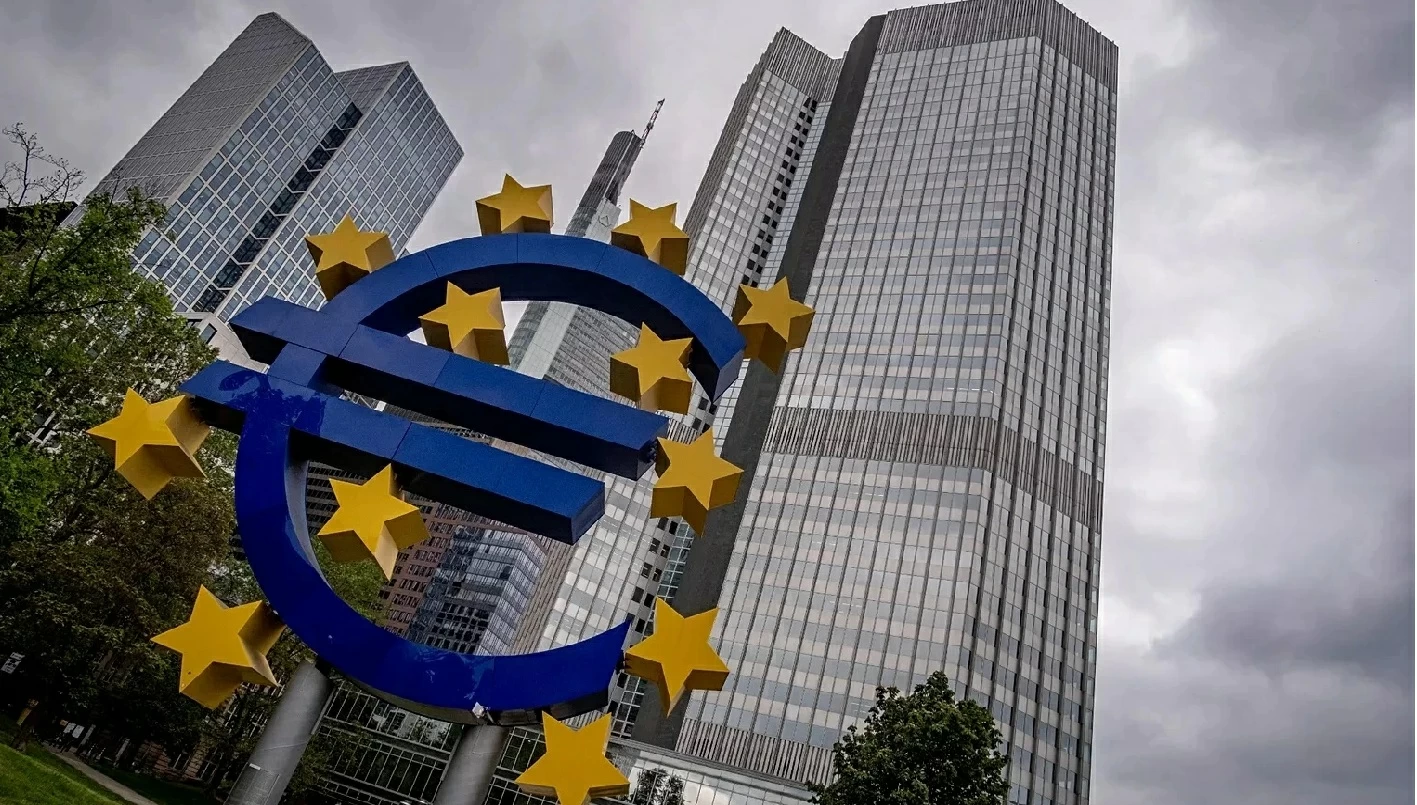
رفع البنك المركزي الأوروبي أسعار الفائدة للمرة الثانية هذا العام في خطوة كانت متوقعة على نطاق واسع اليوم، أملاً في كبح جماح ارتفاع التضخم الناجم كلياً عن ارتفاع تكاليف الطاقة جراء الحرب الإيرانية.
وترفع زيادة اليوم سعر الفائدة الرئيسي على الودائع لدى البنك المركزي الأوروبي إلى 2.5%، وهو الحد الأعلى للنطاق المحايد الذي يعتبره صناع السياسة لا يفرض قيوداً ولا يحفز النمو الاقتصادي.
معدل التضخم
ودفعت أسعار النفط والغاز الطبيعي المرتفعة معدل التضخم إلى القفز متجاوزاً 3% في جميع أنحاء منطقة اليورو التي تضم 21 دولة الشهر الماضي، متجاوزاً بفارق كبير هدف البنك المركزي الأوروبي البالغ 2%.
كما يشير التصعيد الأخير في الصراع إلى مزيد من الضغوط السعرية التي قد تتسرب في النهاية إلى آلية تحديد الأجور.
وقال البنك المركزي الأوروبي في بيان: «تظل الآفاق محاطة بحالة عالية من عدم اليقين، مع وجود مخاطر صعودية للتضخم ومخاطر هبوطية للنمو الاقتصادي».
كما رفع البنك توقعاته للنمو الاقتصادي لعام 2026 إلى 0.9% مقارنة بنسبة 0.8% في توقعات يونيو، ويرى الآن أن التضخم سيسجل في المتوسط 3.0% هذا العام و2.5% في عام 2027.
الآفاق المستقبلية
وفي حين يراهن المستثمرون الماليون على زيادات إضافية في وقت لاحق من هذا العام وفي عام 2027، يُرجح أن يتأنى البنك المركزي الأوروبي قبل اتخاذ أي خطوة لاحقة في ظل ضبابية الآفاق المستقبلية.
وتشير تكاليف الطاقة المرتفعة إلى استمرار التضخم، في حين تبددت كل الآمال في إنهاء سريع للحرب الأمريكية الإسرائيلية على إيران التي بدأت في أواخر فبراير الماضي.
وتعد أسعار الغاز الطبيعي المرتفعة مصدر قلق متزايد أيضاً، حيث تقل مستويات مخزونات الغاز عن المعدلات التاريخية مع اقتراب موسم التدفئة الشتوي.
في الوقت نفسه، يصمد النمو الاقتصادي بشكل أفضل بكثير مما كان يخشى، مما يدل على مرونة قد تفرض بدورها ضغوطاً صعودية على الأسعار.
The European Central Bank raised interest rates for the second time this year in a widely anticipated move today, hoping to curb the surge in inflation entirely caused by rising energy costs due to the Iranian war.
Today's increase raises the main interest rate on deposits at the European Central Bank to 2.5%, which is the upper limit of the neutral range that policymakers consider does not impose restrictions nor stimulates economic growth.
Inflation Rate
High oil and natural gas prices pushed the inflation rate to jump past 3% across the Eurozone, which includes 21 countries last month, significantly exceeding the European Central Bank's target of 2%.
The recent escalation in the conflict also indicates further price pressures that may eventually seep into the wage-setting mechanism.
The European Central Bank stated in a statement: "The outlook remains surrounded by a high degree of uncertainty, with upside risks to inflation and downside risks to economic growth."
The bank also raised its economic growth forecast for 2026 to 0.9% compared to 0.8% in the June forecast, and now sees inflation averaging 3.0% this year and 2.5% in 2027.
Future Outlook
While financial investors are betting on further increases later this year and in 2027, the European Central Bank is likely to exercise caution before taking any subsequent steps amid the uncertainty of future prospects.
High energy costs indicate continued inflation, while all hopes for a swift end to the U.S.-Israeli war on Iran, which began in late February, have dissipated.
High natural gas prices are also an increasing concern, as gas inventory levels are below historical averages with the winter heating season approaching.
At the same time, economic growth is holding up much better than feared, indicating resilience that may in turn exert upward pressure on prices.