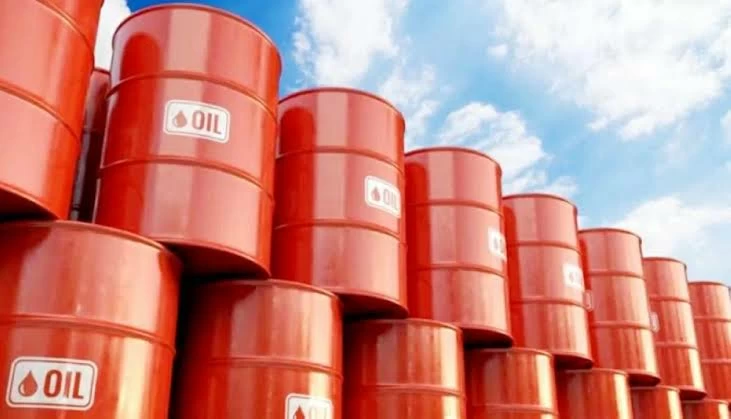
تزايدت مكاسب أسعار النفط اليوم، بعد أن تجاوز خام برنت حاجز 100 دولار للبرميل، في وقت يتخوف فيه المتعاملون من المزيد من الاضطرابات في الإمدادات في ظل تبادل إيران والولايات المتحدة أكبر هجماتهما على حركة الشحن منذ اندلاع الصراع قبل ستة أشهر.
وارتفعت العقود الآجلة لخام برنت 4.46 دولار أو 4.46% إلى 105.7 دولار للبرميل بحلول الساعة 13:50 بتوقيت غرينتش. وصعد خام غرب تكساس الوسيط الأمريكي 2.91 دولار أو 4.34% إلى 100.4 دولار للبرميل.
انخفاض المخزونات العالمية
ولا يزال تدفق النفط عبر مضيق هرمز أقل بكثير من مستواه قبل الحرب.
ورفعت إدارة معلومات الطاقة الأمريكية أمس (الأربعاء) توقعاتها لأسعار النفط لهذا العام والعام القادم، مع انخفاض المخزونات العالمية بسبب نقص الإمدادات من الشرق الأوسط.
وذكر المحلل لدى إيه.إن.زد دانيال هاينز في مذكرة للعملاء: "توحي الهجمات المتبادلة بأنه من المرجح أن تظل تدفقات النفط من الخليج الفارسي معطلة في المستقبل المنظور".
وقال هاينز: "يهدد اتساع نطاق الصراع بحدوث اضطراب أعمق في إمدادات النفط، وهو ما دفع سوق النفط بالفعل إلى السعي جاهدة للتكيف مع الوضع".
Oil prices gained today, after Brent crude surpassed the $100 per barrel mark, as traders fear further supply disruptions amid Iran and the United States exchanging their largest attacks on shipping since the conflict erupted six months ago.
Brent crude futures rose by $4.46 or 4.46% to $105.7 per barrel by 13:50 GMT. West Texas Intermediate crude increased by $2.91 or 4.34% to $100.4 per barrel.
Decline in Global Inventories
The flow of oil through the Strait of Hormuz remains significantly below pre-war levels.
The U.S. Energy Information Administration raised its oil price forecasts for this year and next, citing a decline in global inventories due to supply shortages from the Middle East.
Analyst Daniel Hynes at ANZ noted in a client memo: "The mutual attacks suggest that oil flows from the Persian Gulf are likely to remain disrupted in the foreseeable future."
Hynes stated: "The widening scope of the conflict threatens to cause deeper disruptions in oil supplies, which has already pushed the oil market to struggle to adapt to the situation."