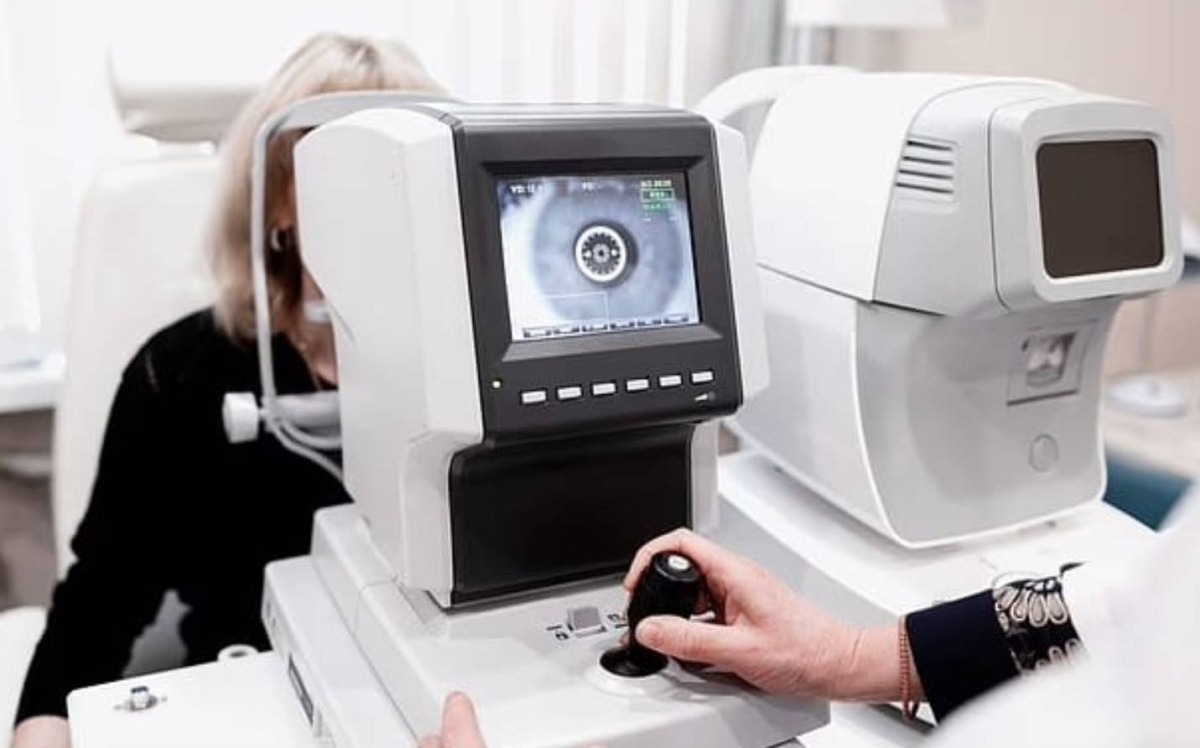
أظهرت دراسة أمريكية حديثة أن فحص العين الروتيني لدى طبيب العيون قد يكون مفتاحاً للكشف المبكر عن مخاطر الإصابة بمرض الزهايمر قبل ظهور أعراضه بسنوات.
وكشف العلماء أن التغيرات في الأوعية الدموية الدقيقة في شبكية العين قد ترتبط بوجود طفرة جينية شائعة (MTHFR677C>T)، التي تزيد من احتمالية الإصابة بهذا المرض المسبب لفقدان الذاكرة، والذي يُعتبر السبب الأول للخرف.
وأوضح الباحثون أن الأوعية الدموية الملتوية بشكل غير طبيعي في الشبكية قد تعيق تدفق الأكسجين والعناصر الغذائية، مما يعكس تغيرات مماثلة في الدماغ مرتبطة بانخفاض تدفق الدم وزيادة مخاطر التدهور المعرفي.
ويأمل الخبراء أن يساعد تتبع هذه التغيرات الدقيقة في تشخيص الخرف في مراحله المبكرة، مما يتيح بدء العلاج مبكراً لتخفيف الأعراض وإبطاء تقدم المرض، رغم عدم وجود علاج نهائي حتى الآن.
وقالت الدكتورة ألينا ريغان، عالمة الأعصاب في مختبر جاكسون للأبحاث الطبية الحيوية وقائدة الدراسة: «إذا لاحظ طبيب العيون تغيرات غير عادية في أوعية الشبكية، فقد تكون هذه علامة على تغيرات مماثلة في الدماغ، مما يجعل هذا الفحص أداة واعدة للتشخيص المبكر».
وأضافت: «الأوعية الدموية الملتوية التي نراها في الشبكية لدى مرضى الخرف قد تشير إلى مشكلة جهازية، مثل ارتفاع ضغط الدم، تؤثر على الجسم بأكمله».
ونُشرت الدراسة في مجلة «Alzheimer's & Dementia»، واستندت إلى تحليل فئران تحمل الطفرة الجينية المذكورة، والتي تصيب حوالى 40% من الأشخاص. وأظهرت الفئران تغيرات في شبكياتها، مثل أوعية دموية ملتوية، وشرايين ضيقة ومتورمة، وتفرعات وعائية أقل، بدءاً من عمر ستة أشهر. وهذه التغيرات تعكس ما يحدث في الدماغ، مما يشير إلى ارتباط وثيق بين صحة الشبكية والصحة المعرفية.
وبحسب صحيفة «ديلي ميل» أشارت دراسات سابقة محدودة إلى إمكانية استخدام فحص العين لتتبع التدهور المعرفي، لكنها كانت صغيرة النطاق.
وأكد الباحثون الحاجة إلى مزيد من الأبحاث لتأكيد العلاقة بين الأوعية الدموية الملتوية في الشبكية ومرض الزهايمر.
ووفقاً لتحليل جمعية الزهايمر في المملكة المتحدة، تبلغ التكلفة السنوية للخرف حوالى 42 مليار جنيه إسترليني، مع تحمل العائلات الجزء الأكبر، بما في ذلك خسارة الدخل للقائمين بالرعاية غير المدفوعة.
ومع شيخوخة السكان، من المتوقع أن ترتفع هذه التكاليف إلى 90 مليار جنيه إسترليني خلال الـ15 عاماً القادمة، ويعيش حوالى 982 ألف شخص في المملكة المتحدة مع الخرف، لكن أكثر من ثلثهم لم يحصلوا على تشخيص رسمي.
وتشمل الأعراض المبكرة للخرف مشكلات الذاكرة، صعوبات في التفكير والتفكير المنطقي، ومشكلات في اللغة، وتزداد هذه الأعراض سوءاً مع مرور الوقت.
وكشف تحليل من جمعية أبحاث الزهايمر في المملكة المتحدة أن الخرف تسبب في وفاة 74,261 شخصاً في عام 2022، مما يجعله السبب الأول للوفاة في البلاد.
ويُعد هذا الاكتشاف خطوة واعدة نحو التشخيص المبكر للزهايمر، حيث يمكن أن يصبح فحص العين الروتيني أداة لتحديد الأشخاص المعرضين للخطر.
A recent American study has shown that routine eye examinations by an ophthalmologist may be the key to early detection of the risk of Alzheimer's disease years before symptoms appear.
Scientists revealed that changes in the tiny blood vessels in the retina may be linked to the presence of a common genetic mutation (MTHFR677C>T), which increases the likelihood of developing this memory-loss disease, considered the leading cause of dementia.
The researchers explained that abnormally twisted blood vessels in the retina may hinder the flow of oxygen and nutrients, reflecting similar changes in the brain associated with reduced blood flow and increased risks of cognitive decline.
Experts hope that tracking these subtle changes will aid in diagnosing dementia in its early stages, allowing for early treatment to alleviate symptoms and slow the progression of the disease, despite the lack of a definitive cure so far.
Dr. Alina Regan, a neuroscientist at the Jackson Laboratory for Biomedical Research and the study leader, stated: "If an ophthalmologist notices unusual changes in the retinal vessels, it may be a sign of similar changes in the brain, making this examination a promising tool for early diagnosis."
She added: "The twisted blood vessels we see in the retina of dementia patients may indicate a systemic problem, such as high blood pressure, affecting the entire body."
The study was published in the journal "Alzheimer's & Dementia" and was based on an analysis of mice carrying the aforementioned genetic mutation, which affects about 40% of people. The mice exhibited changes in their retinas, such as twisted blood vessels, narrowed and swollen arteries, and fewer vascular branches, starting from six months of age. These changes reflect what happens in the brain, indicating a close link between retinal health and cognitive health.
According to the "Daily Mail," previous limited studies have suggested the potential use of eye examinations to track cognitive decline, but they were small in scale.
Researchers emphasized the need for further studies to confirm the relationship between twisted blood vessels in the retina and Alzheimer's disease.
According to an analysis by the Alzheimer's Society in the UK, the annual cost of dementia is around £42 billion, with families bearing the largest share, including loss of income for unpaid caregivers.
With the aging population, these costs are expected to rise to £90 billion over the next 15 years, with approximately 982,000 people in the UK living with dementia, but more than a third of them have not received an official diagnosis.
Early symptoms of dementia include memory problems, difficulties in thinking and logical reasoning, and language issues, which worsen over time.
An analysis by the Alzheimer's Research UK revealed that dementia caused the deaths of 74,261 people in 2022, making it the leading cause of death in the country.
This discovery is a promising step toward early diagnosis of Alzheimer's, as routine eye examinations could become a tool for identifying at-risk individuals.