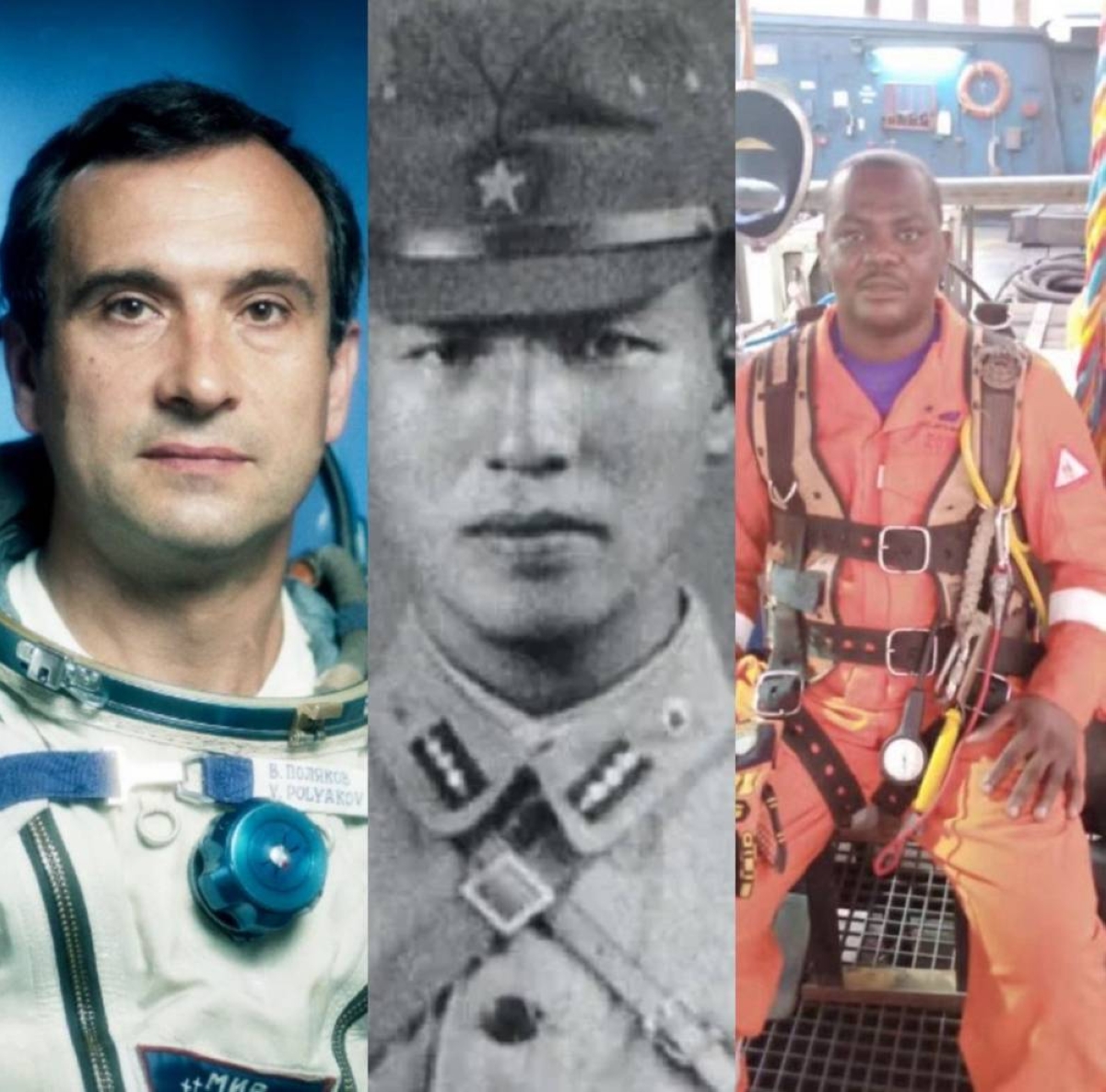
في لحظات يظن فيها الجميع أن النهاية حتمية، يثبت بعض البشر أن الأمل لا يموت. ثلاث قصص نادرة لرجال تحدوا الموت، وظلوا على قيد الحياة في ظروف تكاد تكون مستحيلة.
عام 2013، عاش النيجيري هاريسون أوكين واحدة من أعجب حكايات النجاة، حين بقي ثلاثة أيام داخل سفينة غارقة على عمق 30 متراً تحت الماء. أوكين، الذي كان يعمل طاهياً على متن السفينة، حوصر في مقصورة صغيرة امتلأت بالهواء، وعاش على مشروبات غازية صودفت أمامه. وفي اللحظات الأخيرة، التقط الغواصون صوته وهو يطرق على جدران السفينة، ليخرج حيّاً من قاع البحر.
أما في الفضاء، فقد كتب الروسي فاليري بولياكوف اسمه في التاريخ عام 1994، عندما أمضى 437 يوماً متواصلاً على متن محطة «مير» الفضائية. كانت إقامته الطويلة نتيجة الأزمات الاقتصادية والسياسية التي عصفت بروسيا بعد انهيار الاتحاد السوفيتي، حيث تأجلت عودته مراراً. لكن المهمة تحولت إلى تجربة علمية فريدة أثبتت قدرة الإنسان على التكيف مع الحياة في المدار، قبل أن يعود بسلام إلى الأرض ويحمل لقب «الرجل الذي عاش أطول فترة في الفضاء».
وفي أدغال الفلبين، ظل الضابط الياباني هيرو أونودا يقاتل حرباً انتهت منذ عقود. بعد أن تلقى أوامر صارمة بعدم الاستسلام، رفض تصديق أن الحرب العالمية الثانية وضعت أوزارها عام 1945. قضى ثلاثين عاماً في العزلة، يعيش على الصيد والثمار، ويهاجم المزارع ظناً منه أنها ساحة قتال. ولم يلقِ سلاحه إلا عام 1974، عندما جاء قائده السابق بنفسه وأبلغه بانتهاء الحرب، فعاد أخيراً إلى وطنه بعد ثلاثة عقود من الغياب.
In moments when everyone thinks that the end is inevitable, some humans prove that hope does not die. Three rare stories of men who defied death and remained alive under conditions that seemed almost impossible.
In 2013, Nigerian Harrison Okene lived one of the most astonishing survival tales when he spent three days inside a sunken ship at a depth of 30 meters underwater. Okene, who worked as a chef on the ship, was trapped in a small cabin that filled with air, surviving on soft drinks that happened to be in front of him. In the final moments, divers heard his voice tapping on the ship's walls, and he was brought out alive from the bottom of the sea.
As for space, Russian Valery Polyakov wrote his name in history in 1994 when he spent 437 consecutive days aboard the Mir space station. His long stay was a result of the economic and political crises that swept through Russia after the collapse of the Soviet Union, causing his return to be postponed multiple times. However, the mission turned into a unique scientific experiment that demonstrated humanity's ability to adapt to life in orbit, before he safely returned to Earth, earning the title of "the man who lived the longest time in space."
In the jungles of the Philippines, Japanese officer Hiroo Onoda continued to fight a war that had ended decades earlier. After receiving strict orders not to surrender, he refused to believe that World War II had concluded in 1945. He spent thirty years in isolation, living off hunting and fruits, attacking farms under the impression that they were battlefields. He only laid down his weapon in 1974 when his former commander personally came to inform him that the war was over, and he finally returned to his homeland after three decades of absence.