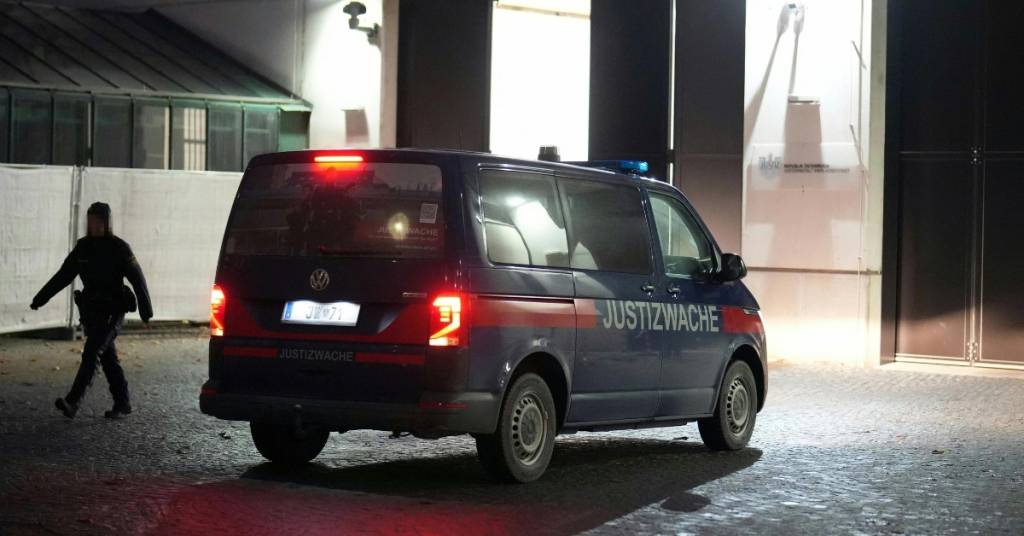
تواجه النمسا موجة انتقادات حادة بسبب نفقات استثنائية مرتبطة بسجين يبلغ وزنه نحو 300 كيلوغرام، ما جعل تكلفة احتجازه تصل إلى 1,800 يورو يوميًا، أي 10 أضعاف تكلفة السجين العادي المقدرة بنحو 180 يورو فقط.
ألقي القبض على السجين البالغ من العمر 29 عامًا بعد العثور على كميات كبيرة من المخدرات في منزله بفيينا، تشمل 45 كيلوغرامًا من الماريغوانا وكيلوغرامين من الكوكايين وآلاف الأقراص المخدرة. لكن وزنه الهائل تسبب في مشكلات لوجستية داخل السجن، إذ انهار سريره الأول، ما استدعى توفير تجهيزات خاصة ورعاية طبية على مدار الساعة.
وتشير التقارير إلى أن نقله يتطلب سيارات مجهزة قد تصل تكلفة الرحلة الواحدة إلى 5,000 يورو، فيما تتم جلسات الاستجواب عبر الفيديو لتقليل النفقات. ومع ذلك، يبقى العبء المالي مثار جدل عام، خصوصًا مع وجود مواطنين يواجهون صعوبات في الحصول على مواعيد طبية.
وأثارت القضية نقاشًا أوسع حول أولويات الإنفاق العام وحقوق السجناء، بين من يعتبر الأمر تبديدًا غير مقبول لأموال دافعي الضرائب، ومن يرى أنه التزام إنساني لا يمكن للدولة التنازل عنه.
Austria is facing a wave of sharp criticism due to extraordinary expenses related to a prisoner weighing around 300 kilograms, which has made the cost of his detention reach 1,800 euros per day, ten times the cost of an ordinary prisoner estimated at only 180 euros.
The 29-year-old prisoner was arrested after large quantities of drugs were found in his home in Vienna, including 45 kilograms of marijuana, two kilograms of cocaine, and thousands of pills. However, his enormous weight has caused logistical problems within the prison, as his bed collapsed, necessitating the provision of special equipment and round-the-clock medical care.
Reports indicate that his transport requires specially equipped vehicles, with the cost of a single trip reaching up to 5,000 euros, while interrogation sessions are conducted via video to reduce expenses. Nevertheless, the financial burden remains a topic of public debate, especially with citizens facing difficulties in obtaining medical appointments.
The case has sparked a broader discussion about public spending priorities and prisoners' rights, with some considering it an unacceptable waste of taxpayers' money, while others see it as a humanitarian obligation that the state cannot forgo.