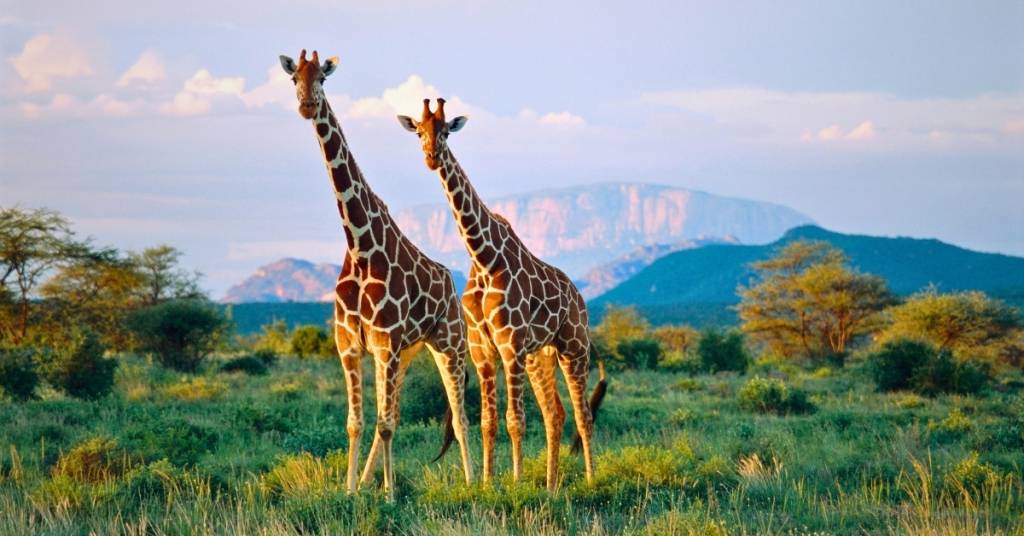
بعد أكثر من 10 سنوات من الدراسات الجينية والفسيولوجية عبر 21 دولة أفريقية، كشف باحثون من مؤسسة حماية الزرافات ومركز سينكنبرغ الألماني أن الزرافات ليست نوعًا واحدًا كما اعتقدنا طويلًا، بل أربع فصائل متميزة: الماساي، الشمالية، الشبكية، والجنوبية.
ويشبّه العلماء هذا الاختلاف بالآخر الذي بين الدب البني والدب القطبي، ما يجعل التعامل مع الزرافات نوعًا واحدًا خطأً يهدد بقاءها. فمثلًا، لم يتبق سوى أقل من 6,000 زرافة شمالية في البرية، بينما انخفضت أعداد الشبكية من 36 ألف إلى 16 ألف زرافة فقط، أما زرافات الماساي فعددها نحو 45,400 زرافة، والجنوبية نحو 50 ألف زرافة.
ويسمح هذا التصنيف الجديد بوضع استراتيجيات إنقاذ مختلفة، مثل تعزيز مكافحة الصيد الجائر لبعض الأنواع، أو حماية المواطن الطبيعية لأنواع أخرى. ويعتبر خطوة مهمة قد تزيد فرص الحفاظ على هذه الكائنات المهيبة من خطر الانقراض.
After more than 10 years of genetic and physiological studies across 21 African countries, researchers from the Giraffe Conservation Foundation and the Senckenberg Center in Germany have revealed that giraffes are not a single species as long believed, but rather four distinct subspecies: Maasai, Northern, Reticulated, and Southern.
Scientists liken this difference to that between the brown bear and the polar bear, making the treatment of giraffes as a single species a mistake that threatens their survival. For example, there are fewer than 6,000 Northern giraffes left in the wild, while the numbers of Reticulated giraffes have dropped from 36,000 to only 16,000. The Maasai giraffe population is around 45,400, and the Southern giraffes number about 50,000.
This new classification allows for the development of different conservation strategies, such as enhancing anti-poaching efforts for certain species or protecting the natural habitats of others. It is considered an important step that could increase the chances of preserving these majestic creatures from the threat of extinction.