


لقاحٌ يعزّز ذاكرة المناعة ضد الأورام السرطانية
26 أغسطس 2025 - 00:02
|
آخر تحديث 26 أغسطس 2025 - 00:02


تابع قناة عكاظ على الواتساب
«عكاظ» (لندن) OKAZ_online@
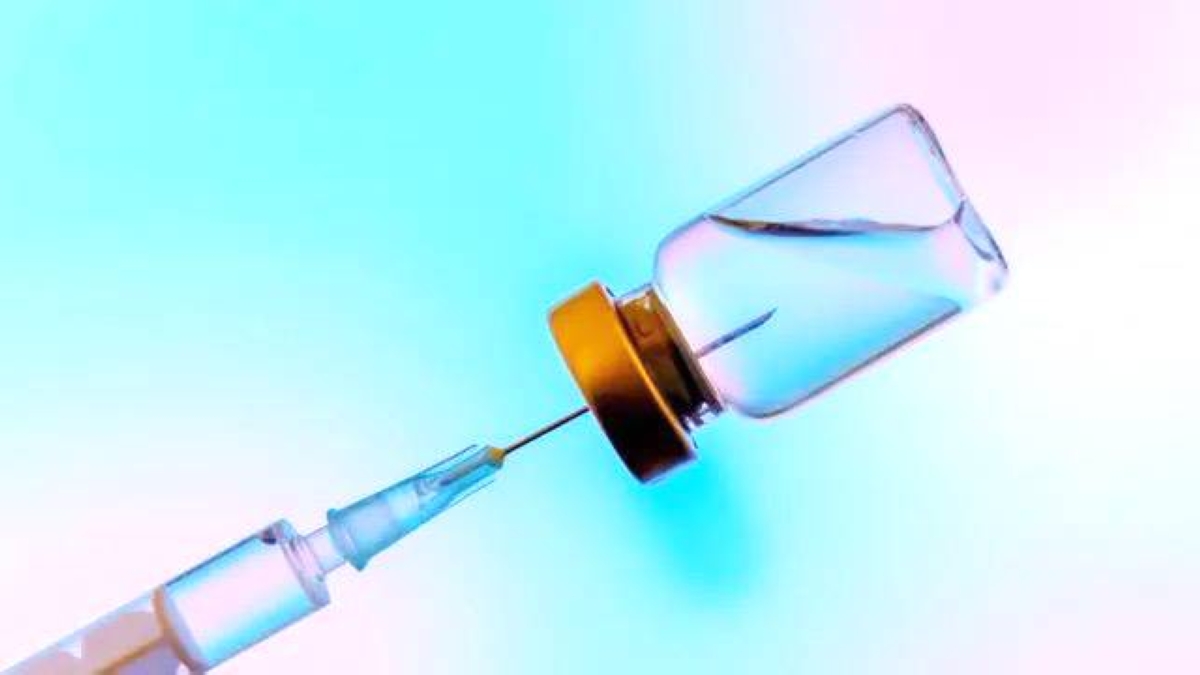
أفادت تقارير صحية، بأن لقاحًا تجريبيًا لمكافحة السرطان حقق نتائج أولية مبشرة، بعد أن حفّز الاستجابة المناعية لاستهداف الخلايا الخبيثة وتقليل احتمالات عودة الورم عقب العلاج التقليدي. ووفق BBC، يرتكز النهج على «تعليم» الجهاز المناعي بصماتٍ جزيئية خصوصا بالورم، ما يرفع كفاءة التعرف، ويُسّرع الهجوم الموجّه، ويُطيل زمن الهدأة لدى فئات مختارة من المرضى. وأشار الباحثون إلى أن الآثار الجانبية حتى الآن محدودة ويمكن التحكم بها، وأن الدراسات الجارية تشمل سرطانات صلبة وأخرى دموية عبر مراحل طبية متفاوتة. ويؤكد أطباء أورام، أن اللقاحات العلاجية متى ضُبطت جرعاتها وتوقيتاتها بالتكامل مع الجراحة والعلاجين الإشعاعي والكيماوي، قد تقلص الاعتماد على بروتوكولات سُمّية مرتفعة وتحسن جودة الحياة. لكنهم يشددون على أن التعميم يستلزم تجارب أوسع عابرة للمراكز وبمتابعة طويلة لضمان ثبات الفاعلية وسلامة الاستخدام في الواقع العملي. ويُعدّ هذا المسار امتدادًا لموجات العلاج المناعي التي غيّرت النتائج في العقد الأخير، مع آمال بأن ينقل اللقاح حدَّ الاستفادة إلى شرائح أكبر من المرضى وبكلفة أقل على المدى البعيد.
Health reports have indicated that an experimental cancer vaccine has achieved promising preliminary results, having stimulated the immune response to target malignant cells and reduce the likelihood of tumor recurrence after conventional treatment. According to the BBC, the approach is based on "teaching" the immune system molecular fingerprints specific to the tumor, which enhances recognition efficiency, accelerates the targeted attack, and prolongs the period of remission in selected patient groups. Researchers noted that the side effects so far are limited and manageable, and ongoing studies include solid tumors and blood cancers across various medical stages. Oncologists affirm that therapeutic vaccines, when their dosages and timings are calibrated in conjunction with surgery and radiation and chemotherapy treatments, could reduce reliance on high-toxicity protocols and improve quality of life. However, they emphasize that generalization requires broader trials across centers with long-term follow-up to ensure the consistency of efficacy and safety in practical use. This pathway is considered an extension of immunotherapy waves that have changed outcomes in the last decade, with hopes that the vaccine will extend benefits to larger patient groups at a lower cost in the long run.




