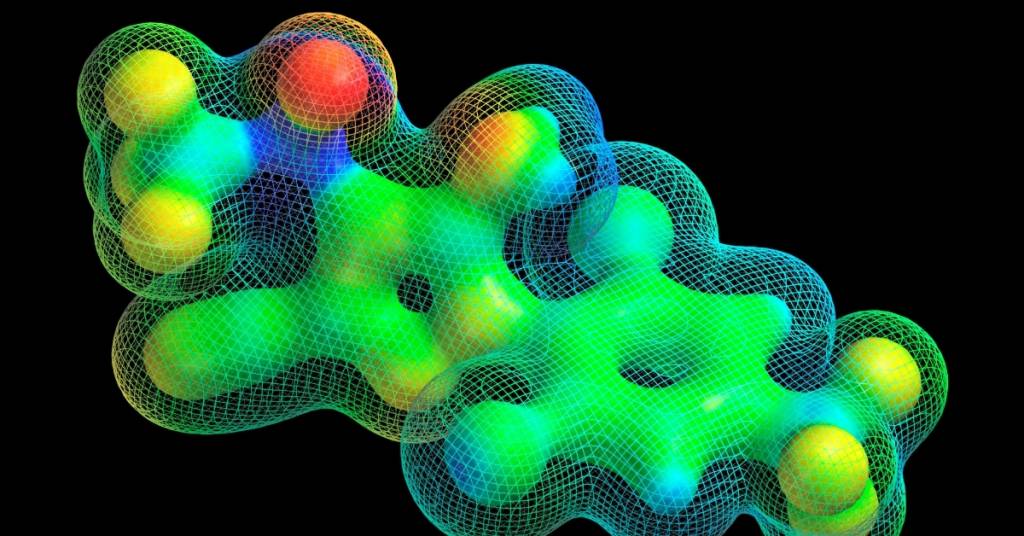
منذ أربعينات القرن الماضي، دخلت مواد تُعرف باسم PFAS في حياتنا اليومية، من أواني الطهي غير اللاصقة إلى مستحضرات التجميل المقاومة للماء، مرورًا برغوة إطفاء الحرائق. المشكلة أن هذه المواد لا تختفي أبدًا لا من أجسامنا، ولا من التربة، ولا من الماء ولهذا لُقبت بـ «المواد الكيميائية الأبدية».
لكنّ خبرًا مبشرًا جاء من أستراليا، إذ أعلن فريق من جامعة أديلايد نجاحه في تفكيك هذه السموم وتحويلها إلى فلورايد، المادة نفسها التي نجدها في معجون الأسنان.
في دراسة نُشرت في مجلة Small، شرح الباحثون آلية جديدة تعتمد على مواد محفَّزة بالضوء. عند تعريض مركب خاص يُدعى كبريتيد الكادميوم والإنديوم لأشعة الضوء المرئي، تتولّد جزيئات نشطة تهاجم الروابط الكربونية-الفلورية شديدة الصلابة داخل PFAS، فتفككها بالكامل. وجاءت النتيجة بتدمير نحو 99% من ملوث PFOS (أحد أخطر أنواع PFAS) تحت الظروف المثالية.
وارتبطت PFAS بمشكلات صحية خطيرة تشمل اضطرابات المناعة والخصوبة، إضافةً إلى أنواع متعددة من السرطان. والأسوأ أنها تحتاج لآلاف السنين لتتحلل طبيعيًّا. لهذا يعتبر هذا الاكتشاف اختراقًا علميًا قد يغيّر مستقبل معالجة المياه. وقال الباحث الرئيسي الدكتور كاميرون شيرير: «إن هذا البحث يمثل خطوة حاسمة نحو مجتمعات أكثر أمانًا وأنظمة بيئية أنظف».
ورغم أن التقنية ما زالت في مراحلها التجريبية، يتوقع العلماء دمجها مستقبلًا مع محطات معالجة المياه، إذ تُجمع المواد السامة ثم تُعرَّض للمواد المحفَّزة بالضوء لتفكيكها. أما النواتج الثانوية كالفلورايد، فيمكن إعادة استخدامها في المعجون والأسمدة.
المثير أن هذه المواد التي تهدد البشر قد لا تبقى «أبدية» بعد الآن، بل فقط عنيدة وصعبة التحلل.
Since the 1940s, substances known as PFAS have entered our daily lives, from non-stick cookware to waterproof cosmetics, including firefighting foam. The problem is that these substances never disappear, neither from our bodies, nor from the soil, nor from the water, which is why they are dubbed "forever chemicals."
However, promising news has come from Australia, as a team from the University of Adelaide announced its success in dismantling these toxins and converting them into fluoride, the same substance found in toothpaste.
In a study published in the journal Small, the researchers explained a new mechanism based on light-activated materials. When a specific compound called cadmium indium sulfide is exposed to visible light, active particles are generated that attack the extremely strong carbon-fluorine bonds within PFAS, completely breaking them down. The result was the destruction of about 99% of the PFOS contaminant (one of the most dangerous types of PFAS) under ideal conditions.
PFAS have been linked to serious health issues, including immune and fertility disorders, as well as multiple types of cancer. Worse still, they take thousands of years to break down naturally. Therefore, this discovery is considered a scientific breakthrough that could change the future of water treatment. Lead researcher Dr. Cameron Shrier stated, "This research represents a critical step towards safer communities and cleaner ecosystems."
Although the technology is still in its experimental stages, scientists expect it to be integrated in the future with water treatment plants, where toxic materials are collected and then exposed to light-activated substances for dismantling. As for the secondary products like fluoride, they can be reused in toothpaste and fertilizers.
Interestingly, these substances that threaten humans may no longer remain "forever," but rather just stubborn and difficult to break down.