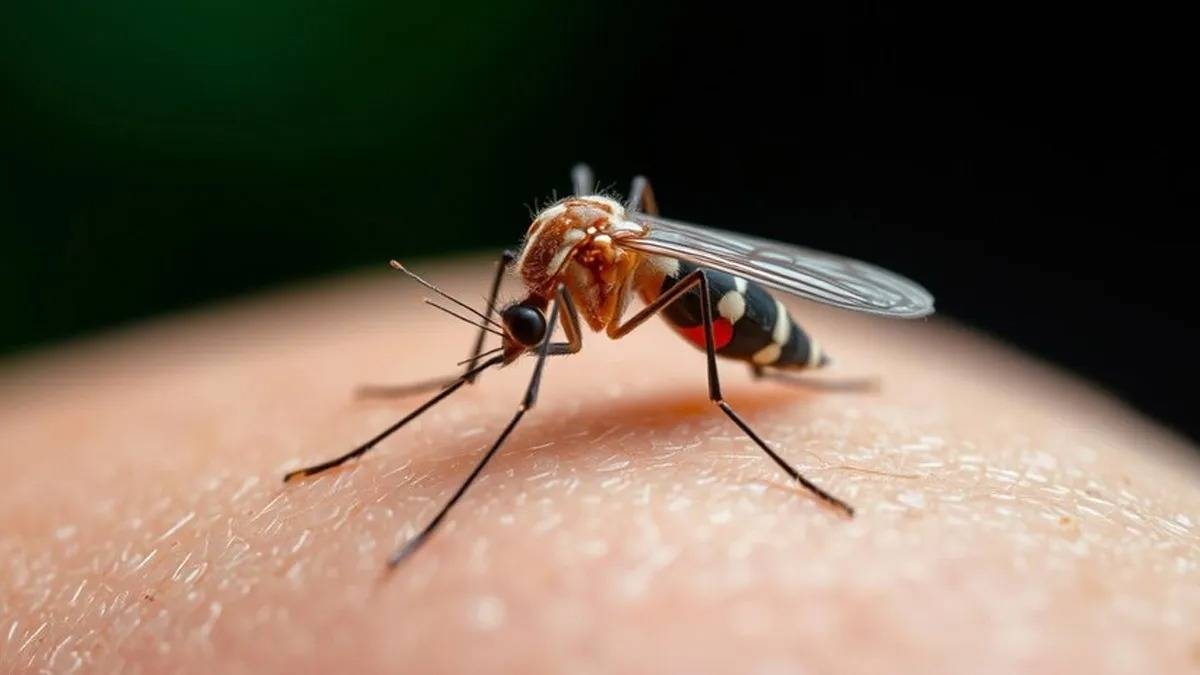
تشهد مدينة مومباي ارتفاعاً مقلقاً في حالات الأمراض المنقولة عن طريق النواقل والمياه هذا العام، حيث أظهرت بيانات جديدة زيادة ملحوظة في حالات الملاريا، والشيكونغونيا، والتهاب الكبد خلال الفترة من يناير إلى منتصف أغسطس 2025.
ووفقاً لتقرير الأمراض المرتبطة بالموسم المطير الصادر عن مؤسسة بريهانمومباي البلدية (BMC)، ارتفعت حالات الملاريا بنسبة تقارب 20% مقارنة بالفترة ذاتها من العام الماضي، حيث سجلت المدينة 4,825 حالة ملاريا من يناير حتى 14 أغسطس، مقارنة بـ4,021 حالة في 2024.
كما سجلت الشيكونغونيا، وهي مرض آخر ينقله البعوض، زيادة واضحة، حيث تم تسجيل 328 حالة هذا العام مقابل 210 حالات في 2024.
وبحسب موقع «only my health» الهندي، شهدت حالات التهاب الكبد، خصوصا من النوعين A وE، المرتبطين عادةً بالمياه الملوثة وسوء الصرف الصحي، ارتفاعاً طفيفاً، حيث تم تسجيل 703 حالات حتى الآن هذا العام، مقارنة بـ662 حالة في العام الماضي.
وعلى الرغم من الزيادة المقلقة في بعض الأمراض، هناك أخبار سارة، قد انخفضت حالات الدنج، والتسمم الجرثومي (اللبتوسبيروز)، والتهاب المعدة والأمعاء خلال الفترة ذاتها.
ويرجع المسؤولون الصحيون هذا الانخفاض إلى تحسين حملات التوعية العامة، تعزيز جهود الصرف الصحي، والتدخلات المبكرة.
ومع ذلك يحذر الخبراء من أن موسم الرياح الموسمية، الذي يفاقم عادةً انتقال الأمراض المنقولة بالنواقل والمياه، لم ينته بعد.
ومع وجود مياه راكدة في معظم أنحاء المدينة ومشكلات الصرف الصحي في الأحياء المزدحمة، لا يزال خطر انتقال الأمراض قائماً.
ويوصي الخبراء، السكان باتخاذ عدة تدابير للحماية، تشمل:منع تجمع المياه الراكدة داخل المنازل أو حولها، استخدام طارد البعوض وارتداء ملابس تغطي الجسم، تجنب تناول الطعام أو الشراب من مصادر مشكوك فيها، الإبلاغ فور ظهور أعراض مثل الحمى الشديدة، آلام الجسم، القيء، أو اليرقان.
The city of Mumbai is witnessing a concerning rise in cases of vector-borne and waterborne diseases this year, as new data shows a significant increase in cases of malaria, chikungunya, and hepatitis from January to mid-August 2025.
According to the monsoon-related diseases report issued by the Brihanmumbai Municipal Corporation (BMC), malaria cases have risen by nearly 20% compared to the same period last year, with the city recording 4,825 malaria cases from January to August 14, compared to 4,021 cases in 2024.
Chikungunya, another mosquito-borne disease, has also seen a noticeable increase, with 328 cases reported this year compared to 210 cases in 2024.
According to the Indian website "only my health," hepatitis cases, particularly types A and E, which are typically associated with contaminated water and poor sanitation, have seen a slight rise, with 703 cases recorded so far this year compared to 662 cases last year.
Despite the concerning increase in some diseases, there is good news: cases of dengue, leptospirosis, and gastroenteritis have decreased during the same period.
Health officials attribute this decline to improved public awareness campaigns, enhanced sanitation efforts, and early interventions.
However, experts warn that the monsoon season, which typically exacerbates the transmission of vector-borne and waterborne diseases, is not over yet.
With stagnant water present throughout much of the city and sanitation issues in crowded neighborhoods, the risk of disease transmission remains.
Experts recommend that residents take several protective measures, including: preventing stagnant water from accumulating inside or around homes, using mosquito repellent and wearing clothing that covers the body, avoiding food or drink from questionable sources, and reporting immediately if symptoms such as severe fever, body aches, vomiting, or jaundice appear.