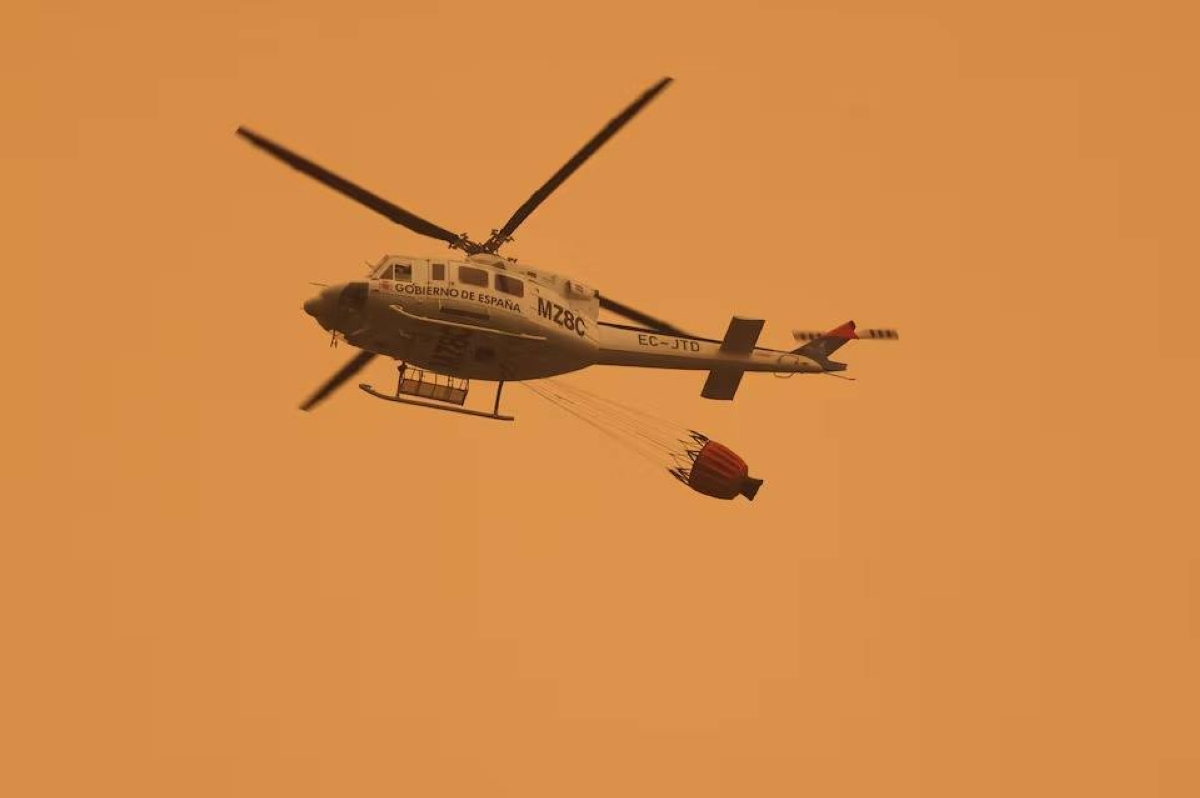
شهدت إسبانيا اليوم (الإثنين) انتشار حرائق غابات مدمرة إلى المنحدرات الجنوبية لجبال بيكوس دي يوروبا، ما دفع السلطات إلى إغلاق جزء من مسار الحج الشهير «كامينو دي سانتياغو».
وتسبب نحو 20 حريقاً، تغذيها موجة حر استمرت 16 يوماً، في تدمير أكثر من 115 ألف هكتار (285 ألف فدان) في منطقتي غاليسيا وقشتالة وليون خلال الأسبوع الماضي.
ووصفت وزيرة الدفاع الإسبانية مارغاريتا روبليس الوضع بأنه «أزمة حرائق لم نشهدها منذ 20 عاماً»، في تصريح لإذاعة «كادينا سير»، مشيرة إلى أن الحرائق تتسم بخصائص استثنائية نتيجة التغير المناخي وموجة الحر الشديدة.
وأضافت أن الدخان الكثيف يعيق عمل طائرات الهليكوبتر والطائرات المخصصة لنقل المياه.
ونشر الجيش الإسباني 1900 جندي لدعم جهود رجال الإطفاء، كما تم قطع الطرق السريعة وخدمات السكك الحديدية في المنطقة، إضافة إلى مسار «كامينو دي سانتياغو»، وهو طريق حج قديم يسلكه آلاف الزوار في الصيف، يربط بين فرنسا ومدينة سانتياغو دي كومبوستيلا في الطرف الغربي لإسبانيا، حيث يُعتقد أن رفات القديس يعقوب مدفون هناك.
وقد أغلقت السلطات في منطقة قشتالة وليون المسار بين بلدتي أستورغا وبونفيرادا، اللتين تبعدان نحو 50 كيلومتراً (30 ميلاً) عن بعضهما، وحذرت الزوار من تعريض حياتهم للخطر.
ولقي رجل إطفاء مصرعه عندما تحطمت شاحنته على طريق غابة قرب قرية إسبينوسو دي كومبلودو، ليرتفع عدد الإطفائيين الذين لقوا حتفهم إلى 4 حتى الآن.
وأفادت وزارة الداخلية الإسبانية باعتقال 27 شخصاً وخضوع 92 آخرين للتحقيق بتهمة الاشتباه في إشعال الحرائق منذ يونيو.
وتعاني جنوب أوروبا من واحدة من أسوأ مواسم الحرائق خلال عقدين، حيث تُعد إسبانيا من بين الدول الأكثر تضرراً.
وفي البرتغال، أتت الحرائق على 155 ألف هكتار هذا العام، وفقاً لمعهد حماية الغابات ICNF، وهو ما يزيد 3 مرات عن المتوسط لهذه الفترة بين عامي 2006 و2024، حيث احترقت نحو نصف هذه المساحة خلال الأيام الثلاثة الماضية.
وأشارت روبليس إلى أن الوضع لن يتحسن على الأرجح حتى تبدأ موجة الحر، التي سجلت درجات حرارة وصلت إلى 45 درجة مئوية (113 فهرنهايت)، في الانخفاض مساء الإثنين أو الثلاثاء.
وتُعد هذه الموجة الحارة ثالث أشد موجات الحر منذ عام 1975، عندما بدأت الوكالة الوطنية للأرصاد الجوية في تتبعها، فيما تخضع معظم أنحاء البلاد لتحذيرات من الحرائق.
Spain witnessed the spread of devastating wildfires today (Monday) to the southern slopes of the Picos de Europa mountains, prompting authorities to close part of the famous pilgrimage route "Camino de Santiago."
About 20 wildfires, fueled by a heatwave that lasted 16 days, have destroyed more than 115,000 hectares (285,000 acres) in the regions of Galicia and Castile and León over the past week.
Spanish Defense Minister Margarita Robles described the situation as "a fire crisis we haven't seen in 20 years," in a statement to Cadena SER radio, noting that the fires exhibit exceptional characteristics due to climate change and the severe heatwave.
She added that the thick smoke is hindering the work of helicopters and planes designated for water drops.
The Spanish army has deployed 1,900 soldiers to support firefighting efforts, and highways and railway services in the area have been cut off, in addition to the "Camino de Santiago" route, an ancient pilgrimage path taken by thousands of visitors in the summer, connecting France to the city of Santiago de Compostela in the western part of Spain, where the remains of Saint James are believed to be buried.
Authorities in the Castile and León region have closed the route between the towns of Astorga and Ponferrada, which are about 50 kilometers (30 miles) apart, warning visitors against putting their lives at risk.
A firefighter was killed when his truck crashed on a forest road near the village of Espinosa de Compludo, raising the number of firefighters who have died to 4 so far.
The Spanish Ministry of the Interior reported the arrest of 27 people and the investigation of 92 others on suspicion of starting the fires since June.
Southern Europe is suffering from one of the worst fire seasons in two decades, with Spain among the most affected countries.
In Portugal, wildfires have consumed 155,000 hectares this year, according to the Institute for Nature Conservation and Forests (ICNF), which is three times the average for this period between 2006 and 2024, with nearly half of this area burned in the past three days.
Robles indicated that the situation is unlikely to improve until the heatwave, which has recorded temperatures reaching 45 degrees Celsius (113 degrees Fahrenheit), begins to decline on Monday evening or Tuesday.
This heatwave is the third most severe since 1975, when the national meteorological agency began tracking them, while most of the country is under fire warnings.