كشفت دراسة أجراها باحثون في جامعة كامبريدج سبباً رئيسياً لعدم دقة أجهزة قياس ضغط الدم التقليدية، واقترحوا حلولاً عملية لتحسين دقة القياسات.
ونُشرت النتائج في مجلة PNAS Nexus، ويمكن أن تُحدث تأثيراً كبيراً في الكشف عن ارتفاع ضغط الدم، الذي يُعد سبباً رئيسياً للوفيات المبكرة عالمياً نتيجة أمراض القلب والسكتة الدماغية.
وبحسب الدراسة، يؤثر ارتفاع ضغط الدم على ملايين الأشخاص، لكن أجهزة قياس الضغط التقليدية قد تفشل في اكتشاف ما يصل إلى 30% من الحالات.
واستخدم فريق كامبريدج نموذجاً تجريبياً متقدماً لمحاكاة آلية عمل هذه الأجهزة، واكتشف أن انخفاض ضغط الدم في الجزء السفلي من الذراع (تحت الكفة) يؤدي إلى تسجيل قراءات منخفضة بشكل غير دقيق للضغط الانقباضي.
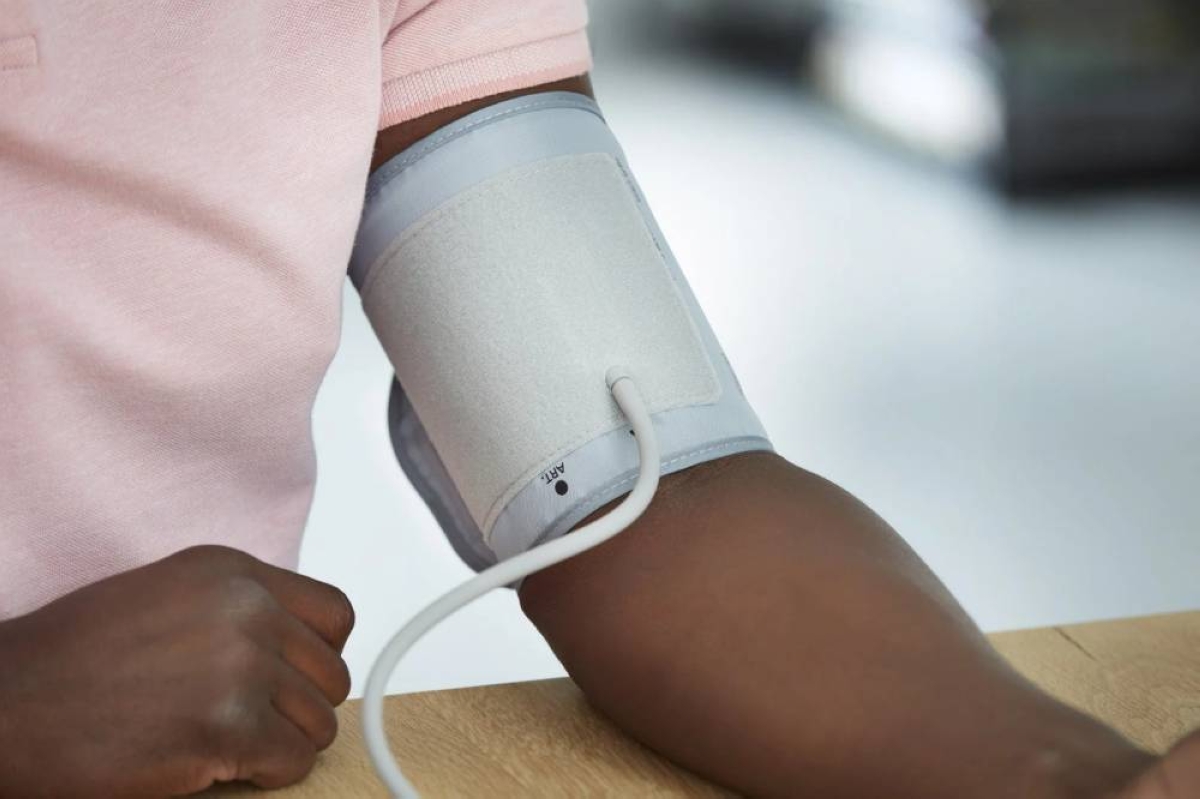
وفي القياس التقليدي، توضع الكفة حول أعلى الذراع وتنفخ لإيقاف تدفق الدم مؤقتاً، ومع تفريغ الكفة تدريجياً يستمع مقدم الرعاية الصحية إلى أصوات تدفق الدم عبر سماعة طبية لتحديد الضغط الانقباضي والانبساطي، والقراءة المثالية هي 120/80 ملم زئبق، لكن النماذج المخبرية القديمة لم تعكس بدقة سلوك الشرايين تحت ضغط الكفة.
وأظهر نموذج كامبريدج أن انخفاض ضغط الدم في الجزء السفلي من الذراع يُبقي الشريان مغلقاً لفترة أطول أثناء تفريغ الكفة، ما يؤخر اكتشاف تدفق الدم ويؤدي إلى قراءات منخفضة غير صحيحة، وهذا يعني أن العديد من المرضى قد يبدون بقراءات طبيعية رغم إصابتهم بارتفاع ضغط الدم.
واقترح الباحثون حلولاً بسيطة مثل رفع الذراع قبل القياس لضمان ضغط متوقع في الجزء السفلي، ما يقلل من الأخطاء دون الحاجة إلى أجهزة جديدة.
A study conducted by researchers at the University of Cambridge has revealed a major reason for the inaccuracy of traditional blood pressure measuring devices, and they proposed practical solutions to improve measurement accuracy.
The results were published in the journal PNAS Nexus and could have a significant impact on the detection of high blood pressure, which is a leading cause of premature deaths globally due to heart disease and stroke.
According to the study, high blood pressure affects millions of people, but traditional pressure measuring devices may fail to detect up to 30% of cases.
The Cambridge team used an advanced experimental model to simulate how these devices work and discovered that low blood pressure in the lower part of the arm (below the cuff) leads to inaccurately low readings of systolic pressure.
In traditional measurement, the cuff is placed around the upper arm and inflated to temporarily stop blood flow. As the cuff is gradually deflated, the healthcare provider listens for blood flow sounds through a stethoscope to determine systolic and diastolic pressure, with the ideal reading being 120/80 mmHg. However, older laboratory models did not accurately reflect the behavior of arteries under cuff pressure.
The Cambridge model showed that low blood pressure in the lower part of the arm keeps the artery closed for a longer time during cuff deflation, delaying the detection of blood flow and leading to incorrect low readings. This means that many patients may appear to have normal readings despite having high blood pressure.
The researchers suggested simple solutions such as raising the arm before measurement to ensure expected pressure in the lower part, which reduces errors without the need for new devices.