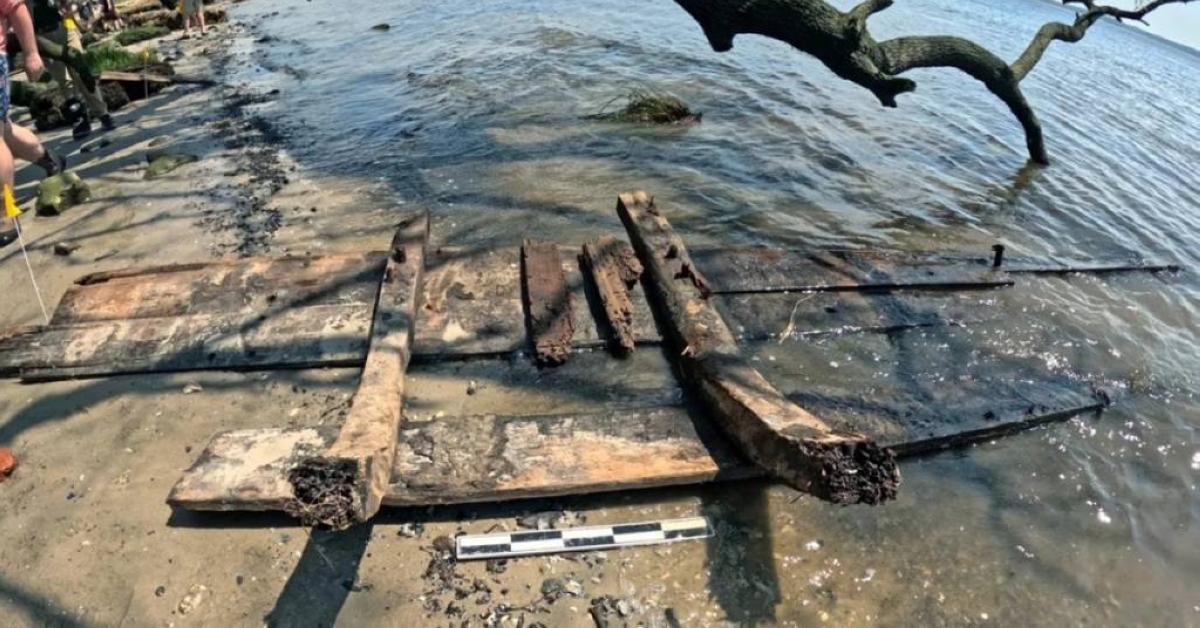
أعلن فريق من علماء الآثار بجامعة إيست كارولاينا (East Carolina University) عن اكتشاف حطام 4 سفن تاريخية في مستنقعات مقاطعة برونزويك بولاية نورث كارولاينا، وذلك خلال أعمال مسح أثري استمرت شهرين في موقع «برونزويك تاون - فورت أندرسون» التاريخي.
وأبرز هذه الاكتشافات سفينة «لا فورتونا» الإسبانية، التي تعرّضت لهجوم عام 1748 خلال فترة حرب الملك جورج، إذ تشير العينات الخشبية المستخرجة من الحطام إلى أنها صُنعت من أخشاب موطنها أمريكا الوسطى أو المكسيك، ما يدعم فرضية ارتباطها بالسفينة الإسبانية الموثقة تاريخيًا في المنطقة.
يذكر أن موقع الحطام لا يبعد سوى مسافة قصيرة عن المكان الذي عُثر فيه على مدفع يعود للقرن الثامن عشر في ثمانينات القرن الماضي، ويرجح أنه من بقايا «لا فورتونا».
أما السفن الثلاث الأخرى، فرغم أنها أقل شهرة، فإنها تحمل قيمة تاريخية كبيرة، إذ يُعتقد أن إحداها كانت بجانب رصيف استعماري، وأخرى ربما استُخدمت كقارب مسطّح لنقل البضائع قبل الثورة الأميركية، بينما لا تزال هوية الأخيرة غير واضحة.
إلى جانب السفن، تمكّن الفريق من توثيق بقايا بنى تحتية لموانئ استعمارية مثل الأرصفة والأحواض، ما يؤكد أن الموقع كان ميناءً نشطًا خلال القرن الثامن عشر، غير أن هذه الاكتشافات باتت عرضة للتلف بسبب تعرّضها لعوامل المد والجزر والعواصف بعد خروجها للسطح، ما دفع الباحثين إلى توثيقها سريعًا ونقل نحو 40 قطعة خشبية من حطام «لا فورتونا» إلى المختبر للحفظ والدراسة.
A team of archaeologists from East Carolina University announced the discovery of the wreckage of 4 historical ships in the swamps of Brunswick County, North Carolina, during a two-month archaeological survey at the historic site of "Brunswick Town - Fort Anderson."
Among these discoveries is the Spanish ship "La Fortuna," which was attacked in 1748 during the War of King George. The wooden samples extracted from the wreck suggest that they were made from timber sourced from Central America or Mexico, supporting the hypothesis of its connection to the historically documented Spanish ship in the area.
It is noteworthy that the wreck site is only a short distance from where an 18th-century cannon was found in the 1980s, which is believed to be a remnant of "La Fortuna."
As for the other three ships, although they are less famous, they hold significant historical value. It is believed that one of them was next to a colonial wharf, and another may have been used as a flatboat for transporting goods before the American Revolution, while the identity of the last one remains unclear.
In addition to the ships, the team was able to document the remains of colonial port infrastructure such as wharves and docks, confirming that the site was an active port during the 18th century. However, these discoveries have become susceptible to damage due to exposure to tidal forces and storms after surfacing, prompting researchers to quickly document them and transfer about 40 wooden pieces from the wreck of "La Fortuna" to the lab for preservation and study.