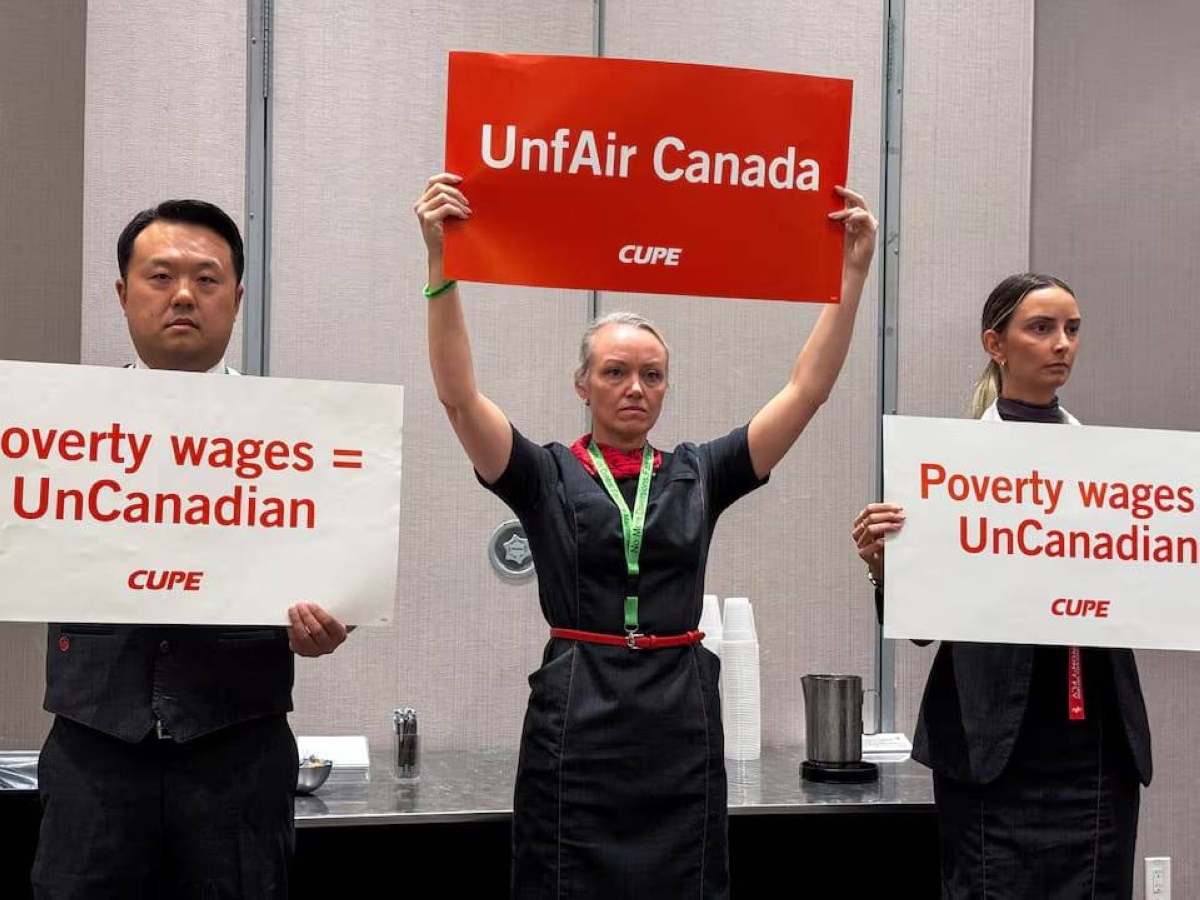
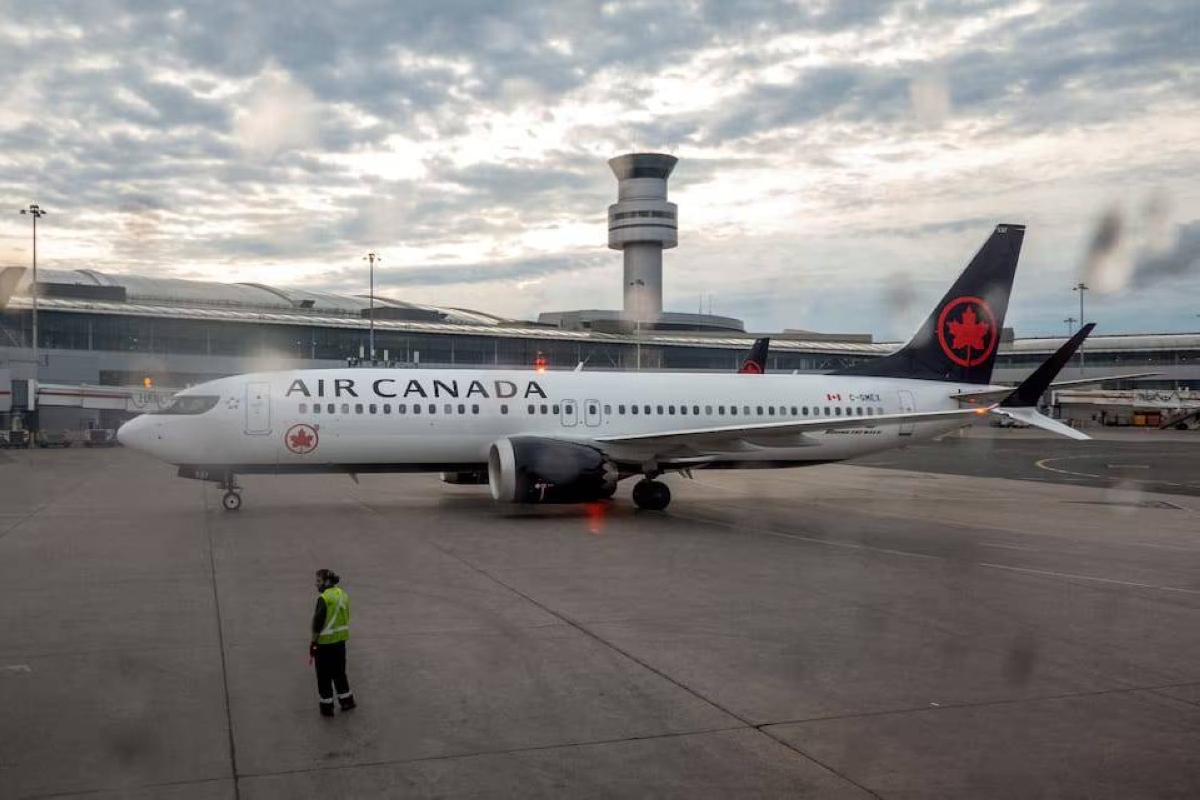
تتصاعد التوترات في كندا مع اقتراب موعد إضراب محتمل لمضيفي الطيران النقابيين في شركة «إير كندا»، أكبر شركة طيران في البلاد، إذ تفصلنا ساعات قليلة عن الموعد النهائي المحدد عند الساعة 1:00 صباحاً بتوقيت شرق الولايات المتحدة يوم السبت.
وتتوقع الشركة إلغاء نحو 500 رحلة بحلول نهاية الجمعة، مما سيترك نحو 100 ألف مسافر في حيرة لإيجاد بدائل للسفر.
ووفقاً لبيانات «FlightAware»، ألغت «إير كندا» 164 رحلة حتى الساعة 11:20 صباحاً بتوقيت شرق الولايات المتحدة (15:20 بتوقيت غرينتش).
ويستعد 10 آلاف مضيف جوي للتوقف عن العمل بسبب توقف المفاوضات حول العقود، إذ تطالب النقابة برفع الأجور وتعويضات عن ساعات العمل غير مدفوعة الأجر، مثل فترات استقبال الركاب والانتظار في المطارات بين الرحلات.
وسيؤثر الإضراب المحتمل على قطاع السياحة الكندي خلال ذروة موسم السفر الصيفي، مما يضع الحكومة الليبرالية بقيادة رئيس الوزراء مارك كارني أمام تحدٍ كبير، إذ طلبت الشركة تدخل الحكومة.
وحثت غرفة تجارة تورونتو أوتاوا على التدخل، محذرة من أن الإضراب قد يضر بسمعة كندا على الصعيد العالمي.
وبموجب قانون العمل الكندي، يمكن لوزيرة العمل باتي هاجدو طلب تدخل مجلس العلاقات الصناعية لفرض التحكيم الملزم لحماية الاقتصاد.
وعلى الرغم من استقلالية المجلس، فإنه غالباً ما يوافق على طلبات التحكيم بعد دراسة الموضوع، وهي عملية قد تستغرق أياماً.
ومن المتوقع أن ترد النقابة اليوم (الجمعة)، على طلب «إير كندا» بالتحكيم الملزم، لكنها تميل إلى رفضه.
من الناحية الاقتصادية، قدر المحلل توم فيتزجيرالد من «تي دي كوين» أن إضراباً لمدة ثلاثة أيام قد يكلف الشركة نحو 300 مليون دولار كندي من الأرباح قبل الفوائد والضرائب والإهلاك.
وعلى الرغم من ذلك، ارتفعت أسهم الشركة بنسبة تزيد قليلاً عن 1% في بورصة تورونتو بحلول منتصف النهار يوم الجمعة.
ويتمحور النزاع حول طريقة تعويض المضيفين الجويين، إذ تدفع شركات الطيران تقليدياً أجورهم فقط أثناء تحليق الطائرة، لكن في المفاوضات الأخيرة يطالب المضيفون في أمريكا الشمالية بتعويض عن جميع ساعات العمل، بما في ذلك المهمات مثل استقبال الركاب والانتظار في المطارات.
وتنقل «إير كندا» وشركتها الفرعية منخفضة التكلفة «إير كندا روج» نحو 130 ألف مسافر يومياً، وتعد «إير كندا» أكبر شركة طيران غير أمريكية تقدم رحلات إلى الولايات المتحدة.
Tensions are rising in Canada as the potential strike date for unionized flight attendants at Air Canada, the country's largest airline, approaches, with just a few hours left until the deadline set for 1:00 AM Eastern Time on Saturday.
The company expects to cancel about 500 flights by the end of Friday, leaving around 100,000 travelers scrambling to find alternative travel options.
According to data from FlightAware, Air Canada had canceled 164 flights by 11:20 AM Eastern Time (3:20 PM GMT).
Ten thousand flight attendants are preparing to stop working due to stalled contract negotiations, as the union is demanding wage increases and compensation for unpaid work hours, such as passenger boarding times and waiting at airports between flights.
The potential strike could impact the Canadian tourism sector during the peak summer travel season, posing a significant challenge for the Liberal government led by Prime Minister Mark Carney, as the company has requested government intervention.
The Toronto Chamber of Commerce has urged Ottawa to intervene, warning that the strike could harm Canada's global reputation.
Under Canadian labor law, Labor Minister Patty Hajdu can request the Industrial Relations Board to impose binding arbitration to protect the economy.
Despite the board's independence, it often agrees to arbitration requests after reviewing the matter, a process that can take days.
The union is expected to respond today (Friday) to Air Canada's request for binding arbitration, but it is leaning towards rejecting it.
Economically, analyst Tom Fitzgerald from TD Quinn estimated that a three-day strike could cost the company about CAD 300 million in earnings before interest, taxes, depreciation, and amortization.
Nonetheless, the company's stock rose by just over 1% on the Toronto Stock Exchange by midday Friday.
The dispute centers around how flight attendants are compensated, as airlines traditionally pay them only while the plane is in the air, but in recent negotiations, North American attendants are demanding compensation for all hours worked, including tasks such as passenger boarding and waiting at airports.
Air Canada and its low-cost subsidiary, Air Canada Rouge, transport about 130,000 passengers daily, and Air Canada is the largest non-U.S. airline offering flights to the United States.