


اكتشاف مفاجئ.. فايروس شائع يسبّب أحد أخطر السرطانات
14 أغسطس 2025 - 18:39
|
آخر تحديث 14 أغسطس 2025 - 18:39
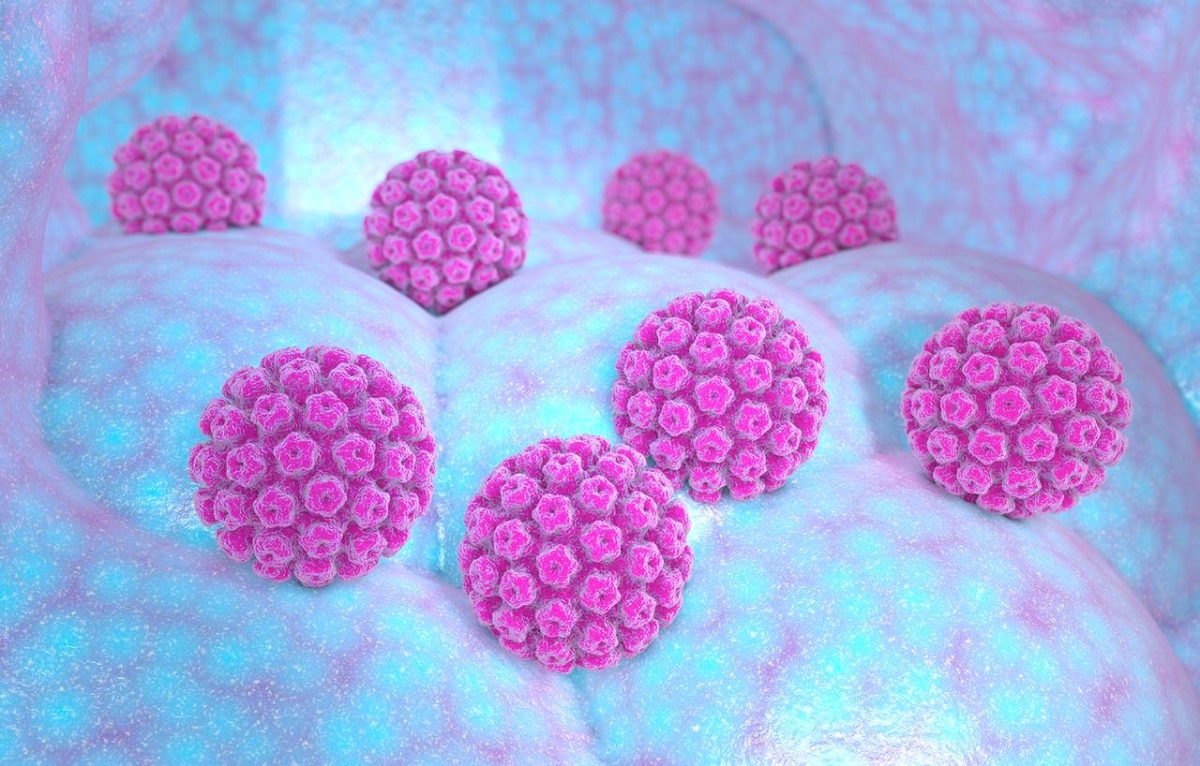
الورم الحلمي


تابع قناة عكاظ على الواتساب
«عكاظ» (لندن) OKAZ_online@
تكشف دراسة طبية حديثة عن دليل جزيئي يربط نوعاً شائعاً من فايروس الورم الحليمي البشري، من فصيلة (بيتا)، بتطور سرطان الخلايا الحرشفية لدى الفئات الأكثر عرضة لضعف المناعة. ويبين التحليل الجيني أن الفايروس قادر على الاندماج داخل جينوم الخلية، ما يعطل آليات إصلاح الحمض النووي ويعزز مسارات الانقسام المنضبط، في إشارة إلى دور سببي محتمل يتجاوز الاعتقاد السابق بأنه مجرد عامل مساعد لتلف الأشعة فوق البنفسجية. وتوضح النتائج أن رصد بصمات الاندماج الفايروسي في عينات الورم قد يوجه الأطباء نحو تشخيص أدق، ويفتح الباب أمام تدخلات علاجية تستهدف المكوّن الفايروسي مباشرة لدى المصابين ذوي القابلية العالية. كما يدعو الباحثون إلى دراسات أوسع لتحديد مدى انتشار هذا النمط في سرطانات الجلد، وتقييم جدوى إدراجه ضمن فحوص الكشف المبكر والمراقبة بعد العلاج. وتؤكد الدراسة أن الوقاية تظل متمحورة حول تقليل التعرض للأشعة فوق البنفسجية، إلا أن فهم البنية الجزيئية للورم عند بعض المرضى يضيف طبقة جديدة للوقاية الانتقائية، ويعزز التفكير في لقاحات وإستراتيجيات موجهة ضد أنماط بيتا عند الفئات الأشد هشاشة. وتخلص النتائج إلى أن الجمع بين الوقاية التقليدية والاختبارات الجينية قد يرفع فرص النجاة، ويقلل عبء سرطان الجلد على المدى الطويل.
A recent medical study reveals a molecular link connecting a common type of human papillomavirus, from the (beta) family, to the development of squamous cell carcinoma in populations most susceptible to immune deficiency. The genetic analysis shows that the virus is capable of integrating into the cell's genome, disrupting DNA repair mechanisms and enhancing regulated division pathways, indicating a potential causal role that goes beyond the previous belief that it is merely an auxiliary factor to ultraviolet damage. The results demonstrate that detecting viral integration signatures in tumor samples may guide doctors towards more accurate diagnoses and open the door to therapeutic interventions that directly target the viral component in highly susceptible patients. Researchers also call for broader studies to determine the prevalence of this pattern in skin cancers and to assess the feasibility of including it in early detection screenings and post-treatment monitoring. The study emphasizes that prevention remains centered around reducing exposure to ultraviolet radiation; however, understanding the molecular structure of tumors in some patients adds a new layer to selective prevention and enhances the consideration of vaccines and targeted strategies against beta patterns in the most vulnerable groups. The findings conclude that combining traditional prevention with genetic testing may increase survival chances and reduce the long-term burden of skin cancer.


