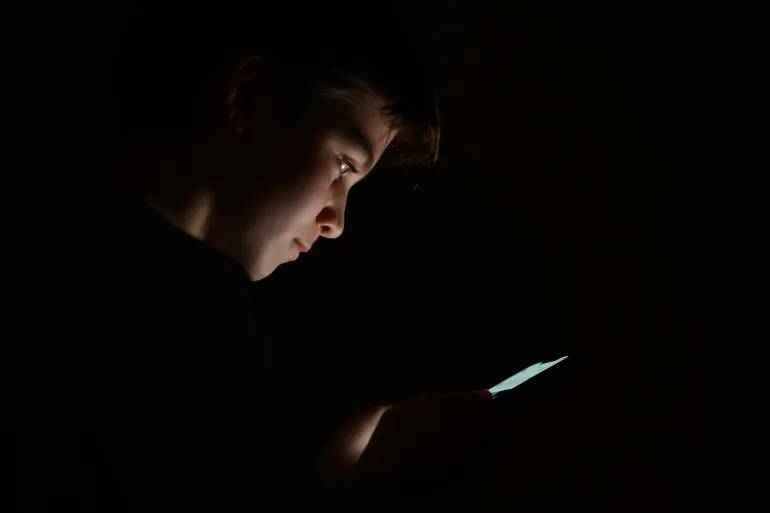
توصل خبراء علم النفس وعلماء النوم إلى أن قاعدة منع الشاشات في غرف نوم الأطفال والمراهقين تعد خطوة فعالة لحماية صحتهم النفسية والجسدية وتحسين جودة النوم، وفق تقرير لموقع «ذا أتلانتيك». وتشير الدراسات إلى أن استخدام الأجهزة الإلكترونية في أوقات متأخرة يقوّض النوم، ما يؤدي إلى ضعف الأداء الأكاديمي وتدهور الوظائف الإدراكية، وانخفاض كفاءة الجهاز المناعي، كما أنه يُعتبر عامل خطر رئيسي للأفكار الانتحارية وإيذاء النفس لدى المراهقين.
وأوضحت الدكتورة ليزا دامور أن البعد عن الشاشات أثناء النوم يساعد الأطفال على تطوير علاقة صحية مع التكنولوجيا، ويتيح للآباء مراقبة استخدام أطفالهم للأجهزة في الأماكن المشتركة مثل المطبخ وغرفة المعيشة. وتساعد هذه الممارسة على خلق روابط أسرية قوية، كما تمنع المراهقين من الانخراط في أنشطة قد يندمون عليها لاحقًا على الإنترنت.
لكن التقرير حذر من أن الرقابة المباشرة والقسرية قد تؤدي إلى نتائج عكسية، مثل استخدام الأطفال للأجهزة بشكل سري، لذلك يُنصح الآباء بأن يكونوا قدوة ويقدموا بدائل مثل المنبهات ومحطات الشحن، مع وضع حدود واضحة منذ البداية، واستثناءات محدودة يمكن السماح بها لأداء الواجبات المدرسية أو التواصل مع أصدقاء موثوق بهم، مع الالتزام بالضوابط الصارمة.
Psychologists and sleep scientists have concluded that the rule of banning screens in the bedrooms of children and teenagers is an effective step to protect their mental and physical health and improve sleep quality, according to a report from "The Atlantic." Studies indicate that using electronic devices late at night undermines sleep, leading to poor academic performance, deteriorating cognitive functions, and decreased immune system efficiency. It is also considered a major risk factor for suicidal thoughts and self-harm among teenagers.
Dr. Lisa Damour explained that stepping away from screens during sleep helps children develop a healthy relationship with technology and allows parents to monitor their children's device usage in shared spaces like the kitchen and living room. This practice helps create strong family bonds and prevents teenagers from engaging in activities they might later regret online.
However, the report warned that direct and coercive supervision may lead to counterproductive outcomes, such as children using devices secretly. Therefore, parents are advised to be role models and provide alternatives like alarm clocks and charging stations, while setting clear boundaries from the start, with limited exceptions allowed for completing homework or communicating with trusted friends, all while adhering to strict controls.