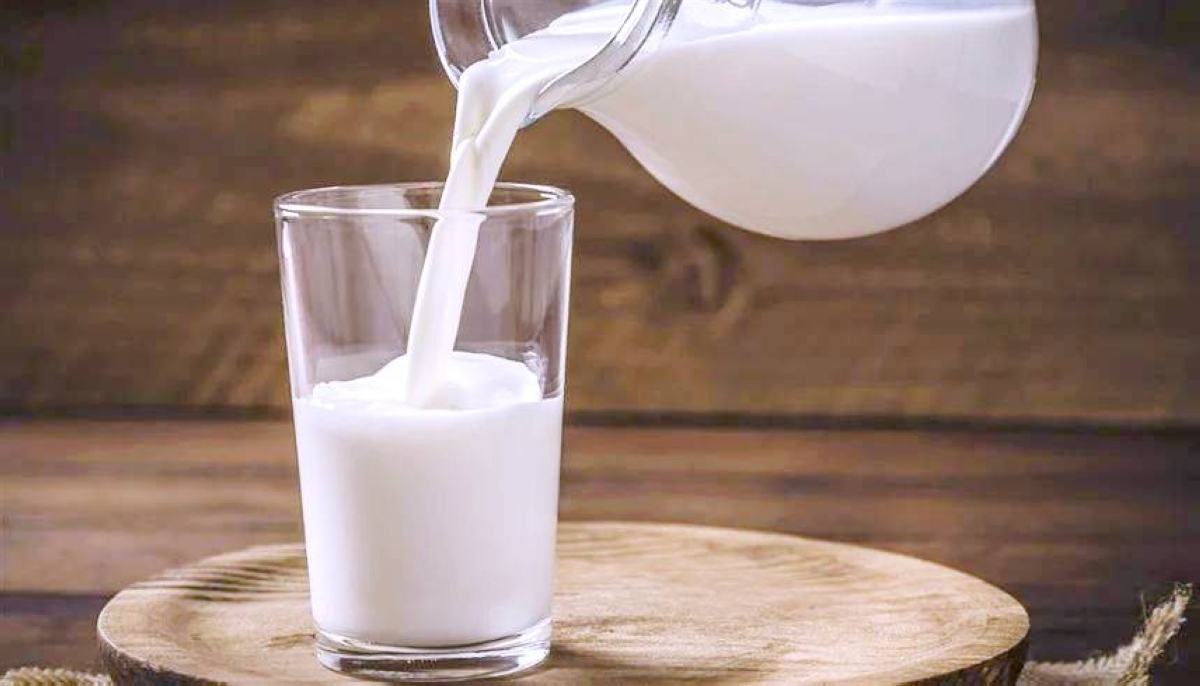
حسمت دراسة حديثة الجدل الدائر حول أيهما أفضل لصحة الإنسان، الحليب كامل الدسم أم قليل الدسم، مشيرة إلى أن الاختيار الأمثل يعتمد على الحالة الصحية للفرد واحتياجاته الغذائية.
وأوضحت الدراسة، أن الحليب كامل الدسم يحتوي على نسبة أعلى من الدهون المشبعة، ما قد يشكل خطراً على الأشخاص المصابين بارتفاع الكوليسترول أو أمراض القلب، لكنه يوفر طاقة أعلى ويحتوي على فيتامينات ذائبة في الدهون مثل فيتامين D.
في المقابل، يقلل الحليب قليل الدسم من كمية السعرات والدهون، مما يجعله خياراً صحياً للأشخاص الذين يسعون للحفاظ على وزن صحي أو لديهم عوامل خطورة قلبية. وأكد الباحثون أن كلا النوعين يوفران البروتين والكالسيوم، لكن الاختيار يجب أن يراعي توازن النظام الغذائي العام للفرد.
وتوصي الدراسة باستشارة مختص تغذية لتحديد الخيار المناسب، خصوصاً للأطفال والنساء الحوامل وكبار السن. ويشير التقرير إلى أن الحليب، بغض النظر عن نوعه، يظل مصدراً مهماً للعناصر الغذائية الأساسية إذا استُهلك باعتدال.
A recent study has settled the debate over which is better for human health, whole milk or low-fat milk, indicating that the optimal choice depends on the individual's health condition and dietary needs.
The study explained that whole milk contains a higher percentage of saturated fats, which may pose a risk to individuals with high cholesterol or heart diseases, but it provides more energy and contains fat-soluble vitamins such as vitamin D.
In contrast, low-fat milk reduces the amount of calories and fats, making it a healthy option for those looking to maintain a healthy weight or who have cardiovascular risk factors. Researchers confirmed that both types provide protein and calcium, but the choice should consider the overall dietary balance of the individual.
The study recommends consulting a nutrition specialist to determine the appropriate option, especially for children, pregnant women, and the elderly. The report indicates that milk, regardless of its type, remains an important source of essential nutrients if consumed in moderation.