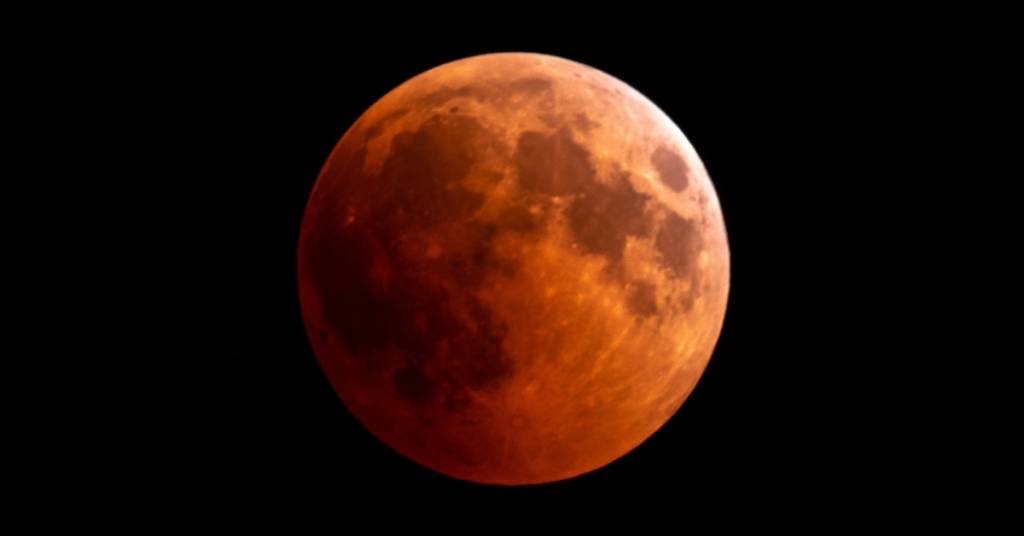
في 7 سبتمبر 2025، سيشهد العالم ثاني خسوف كلي للقمر هذا العام، حيث سيكتسي القمر بلون أحمر داكن فيما يعرف بـ«القمر الدموي»، وسيكون مرئيًا لما يقارب 77% من سكان الأرض إذا سمحت الظروف الجوية، بحسب موقع Space.com.
وستكون أفضل مشاهدة في آسيا وغرب أستراليا، حيث يمكن متابعة الخسوف الكلي بالكامل من بدايته حتى نهايته، في حين ستعتمد الرؤية في أوروبا وأفريقيا وشرق أستراليا ونيوزيلندا على توقيت شروق القمر. أما الولايات المتحدة فلن تتمكن من مشاهدة الحدث مباشرة. وسيستمر الخسوف الكلي لمدة 82 دقيقة، من 17:30 إلى 18:52 بتوقيت غرينتش، يسبقه خسوف جزئي يبدأ قبل ذلك بنحو 75 دقيقة. ويتزامن الحدث مع اقتراب القمر من الحضيض، مما يجعله أكبر قليلًا وأكثر إشراقًا من المعتاد، حيث سيمر نحو 36% من قطره عبر الجزء الأكثر ظلمة من ظل الأرض، ما يمنحه اللون الأحمر المميز. وينصح الخبراء بمراقبة القمر قبل وأثناء وبعد مرحلة الخسوف الكلي للاستمتاع بالتغيرات التدريجية في لونه وسطوعه، سواء بالعين المجردة أو باستخدام المناظير. ولمن لا تتاح لهم فرصة المشاهدة المباشرة، سيُبث الحدث على الهواء مباشرة عبر الإنترنت.
On September 7, 2025, the world will witness the second total lunar eclipse of the year, where the moon will take on a dark red color in what is known as the "blood moon." It will be visible to approximately 77% of the Earth's population if weather conditions permit, according to Space.com.
The best viewing will be in Asia and western Australia, where the total eclipse can be followed completely from start to finish, while visibility in Europe, Africa, eastern Australia, and New Zealand will depend on the timing of the moonrise. The United States will not be able to see the event live. The total eclipse will last for 82 minutes, from 17:30 to 18:52 GMT, preceded by a partial eclipse that begins about 75 minutes earlier. The event coincides with the moon's approach to perigee, making it slightly larger and brighter than usual, as about 36% of its diameter will pass through the darkest part of Earth's shadow, giving it the distinctive red color. Experts recommend observing the moon before, during, and after the total eclipse to enjoy the gradual changes in its color and brightness, either with the naked eye or using binoculars. For those who do not have the opportunity to watch it live, the event will be broadcast live online.