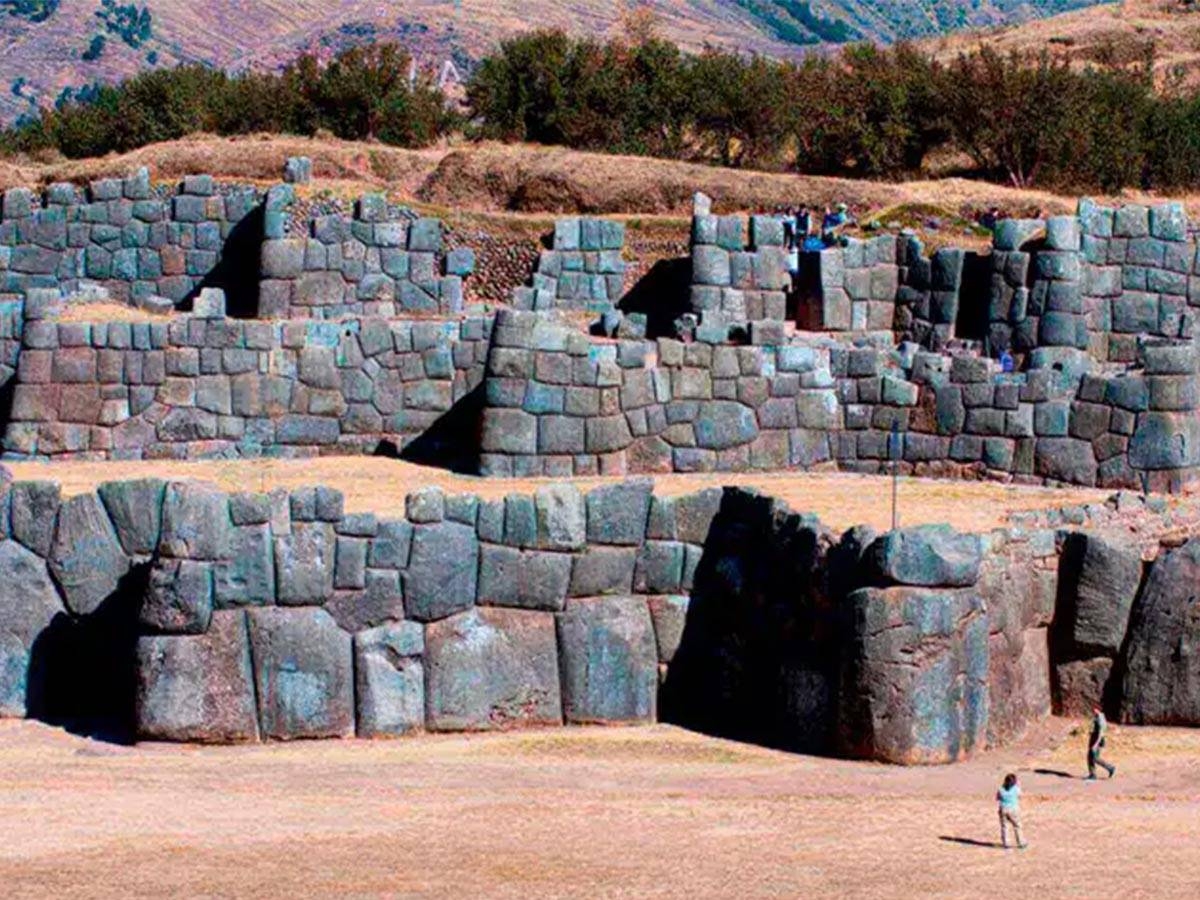
اكتشف علماء الآثار أكثر من 200 مبنى، تعود لفترة ما قبل الحقبة الإسبانية، إلى جانب قطعتين أثريتين نادرتين مرتبطتين بحضارة تشاتشابويا، وذلك في منطقة أمازوناس في بيرو.
وقد تم تحقيق هذا الاكتشاف بفضل تقنية الليدار، التي تسمح للباحثين بالنظر تحت الغطاء الكثيف للغابة السحابية، كما كشف مسحا بمنطقة جبل لا تشالكا باستخدام طائرات مسيرة عن شبكة واسعة من المستوطنات، مما يشير إلى أن شعب تشاتشابويا كان أكثر انتشارا مما كان يُعتقد سابقا.
ويعتبر علماء الآثار أن أهم ما تم اكتشافه هو رأسان احتفاليان على شكل رؤوس بشرية عُثر عليهما في أنقاض الجدار المحيط، ويشير موقعهما ضمن السياق المعماري وغياب علامات الاستخدام اليومي إلى أهميتهما الدينية أو الطقسية.
ولاحظوا أن أسلوب القطع الأثرية يتشابه مع تقنيات حضارة شافين التي سبقت تشاتشابويا بألف عام، ما قد يدل على استمرار حضاري أو على تكيفات إقليمية مستقلة تطورت عبر الزمن.
تجدر الإشارة إلى أن شعب تشاتشابويا، المعروف بـ«محاربي السحاب»، قد عاش في غابات سحابية نائية بين عامي 200 و1500 ميلادي، حيث بنوا مدنا محصنة ومقابر على ارتفاعات تزيد على ثلاثة آلاف متر. وتشتهر حضارتهم بطقوس دفن معقدة وهندسة معمارية متقنة تكيفت مع التضاريس الوعرة لجبال الأنديز.
Archaeologists have discovered more than 200 buildings dating back to the pre-Spanish era, along with two rare archaeological pieces related to the Chachapoya civilization, in the Amazonas region of Peru.
This discovery was made possible thanks to lidar technology, which allows researchers to look beneath the dense cover of the cloud forest. A survey in the La Chalca mountain area using drones revealed a vast network of settlements, indicating that the Chachapoya people were more widespread than previously thought.
Archaeologists consider the most significant findings to be two ceremonial heads shaped like human faces found in the ruins of the surrounding wall. Their location within the architectural context and the absence of signs of daily use suggest their religious or ritual significance.
They noted that the style of the artifacts resembles the techniques of the Chavín civilization, which preceded the Chachapoya by a thousand years, possibly indicating a cultural continuity or independent regional adaptations that developed over time.
It is worth mentioning that the Chachapoya people, known as the "Warriors of the Clouds," lived in remote cloud forests between 200 and 1500 AD, where they built fortified cities and tombs at elevations exceeding three thousand meters. Their civilization is famous for its complex burial rituals and intricate architecture adapted to the rugged terrain of the Andes Mountains.