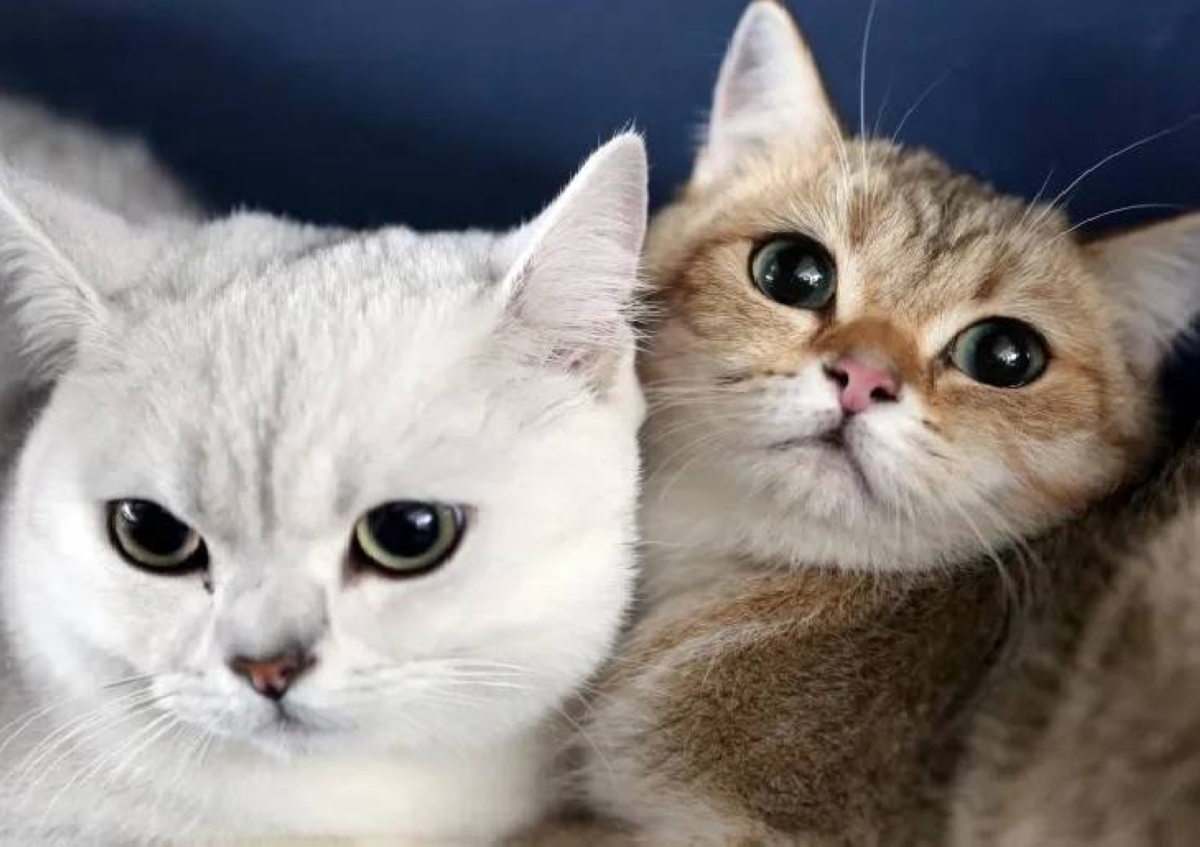
كشف تقرير علمي أن قدرة القطط على الهبوط على أقدامها عند السقوط ليست مجرد صدفة، بل نتيجة منعكس تعديل وضعية الجسم، الذي يبدأ بالظهور عند الهررة في عمر 3 إلى 4 أسابيع ويكتمل في الأسبوع السابع، وهو منعكس عصبي ميكانيكي مبرمج داخل أجسامها.
ويعتمد هذا المنعكس على تناغم بين حاسة التوازن في الأذن الداخلية، ومرونة العمود الفقري الذي يحتوي على 53 فقرة، والتحكم الدقيق في العضلات، ما يسمح للنصفين الأمامي والخلفي بالدوران في اتجاهين متعاكسين دون الإخلال بقوانين الفيزياء.
وأظهرت أبحاث وكالة ناسا وجامعات عالمية أن عملية الالتفاف تحدث في أقل من ثلث ثانية، وأن القطط التي تسقط من ارتفاعات عالية تتعرض لإصابات أقل بسبب ارتخاء عضلاتها وتوزيع الصدمة على مساحة أكبر.
وألهمت هذه الظاهرة مجالات الروبوتات والفضاء، حيث طُوّرت أنظمة توازن مستوحاة من حركة القطط، إضافة إلى خوارزميات ذكاء اصطناعي للمسيّرات قادرة على تصحيح وضعها في الجو لحظياً.
A scientific report revealed that cats' ability to land on their feet when falling is not just a coincidence, but a result of the body position adjustment reflex, which begins to appear in kittens at the age of 3 to 4 weeks and is completed by the seventh week. This is a mechanically programmed neural reflex within their bodies.
This reflex relies on a harmony between the sense of balance in the inner ear, the flexibility of the spine, which contains 53 vertebrae, and the precise control of the muscles, allowing the front and back halves to rotate in opposite directions without violating the laws of physics.
Research from NASA and global universities has shown that the twisting process occurs in less than a third of a second, and that cats falling from high places sustain fewer injuries due to the relaxation of their muscles and the distribution of the impact over a larger area.
This phenomenon has inspired fields such as robotics and space, where balance systems inspired by the movement of cats have been developed, along with artificial intelligence algorithms for drones capable of correcting their position in the air instantaneously.