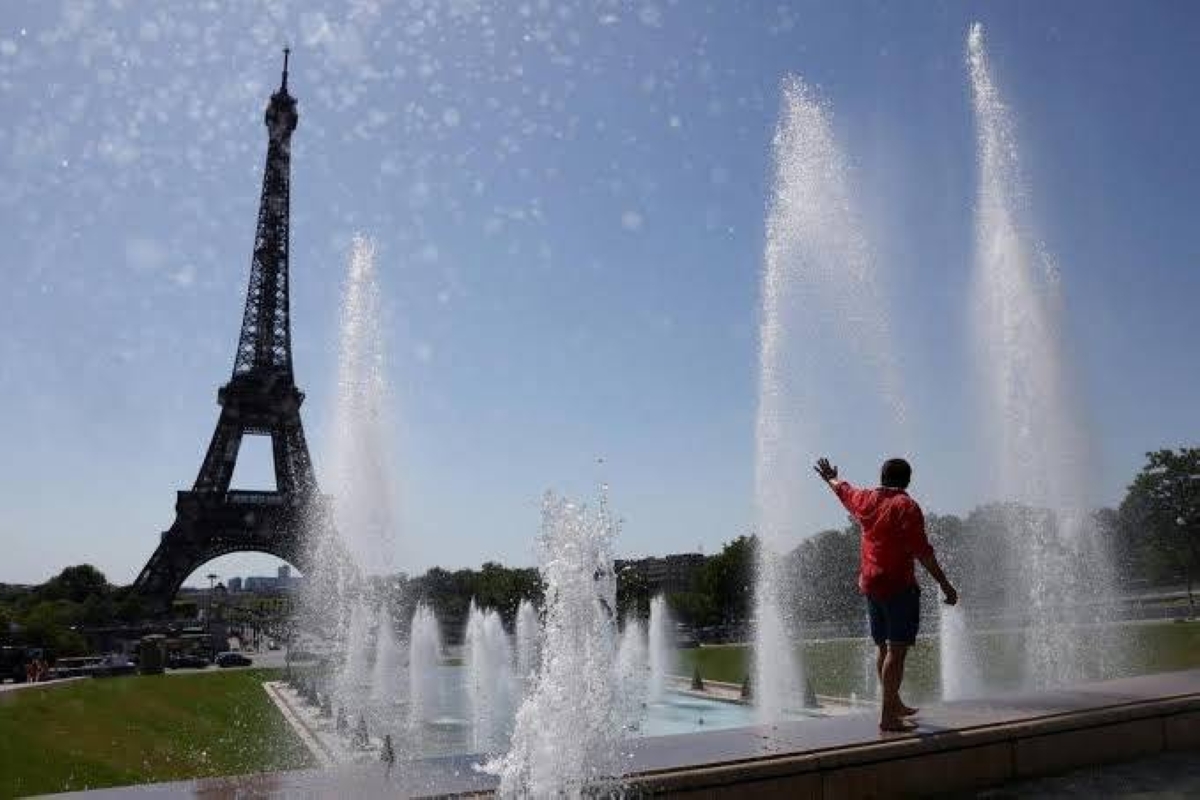
أعلنت هيئة الأرصاد الجوية الفرنسية، توسيع نطاق التحذيرات البرتقالية لتشمل 40 مقاطعة في جنوب ووسط فرنسا، استعدادا لموجة حر غير مسبوقة خلال عطلة نهاية الأسبوع، مع توقعات بارتفاع درجات الحرارة إلى 41 درجة مئوية في بعض المناطق.
وبدأت موجة الحر، التي تُعد الـ51 في فرنسا منذ عام 1947، يوم الجمعة، ومن المتوقع أن تستمر حتى منتصف الأسبوع القادم، مع مخاطر إضافية تشمل حرائق الغابات و«ليالي استوائية» تصل فيها درجات الحرارة الليلية إلى 26 درجة مئوية في الجنوب الشرقي.
ويتطلب الإنذار البرتقالي، الذي يُفعّل عند توقع حرارة شديدة، تدابير مثل فتح أماكن مبردة وتوزيع إرشادات للوقاية من ضربات الشمس، كما تُثير هذه الموجة مخاوف من حرائق الغابات، خصوصا في فوكلوز وأود، حيث لا يزال حريق كبير مشتعلا بين كاركاسون وناربون.
وأصدرت السلطات تحذيرات مشددة، إذ وضعت 11 مقاطعة تحت الإنذار البرتقالي يوم الجمعة، ارتفع عددها إلى 17 يوم السبت، ومن المتوقع أن يصل إلى 42 مقاطعة بحلول اليوم (الأحد)، تشمل المقاطعات المعنية هوت غارون، تارن، رون، أرديش، دروم، إيزير، لوت، وأفيرون، مع تحذيرات خاصة من مخاطر الحرائق في فوكلوز التي وُضعت تحت الإنذار الأحمر.
ودعت السلطات السكان إلى اتخاذ تدابير وقائية، مثل شرب الماء بكثرة، وتجنب التعرض للشمس بين الساعة 11 صباحا و6 مساء، والتحقق من سلامة كبار السن والأطفال. وأفادت هيئة الأرصاد أن هذه الموجة ناتجة عن تدفق هواء ساخن من إسبانيا، ما يخلق ظاهرة «القبة الحرارية» التي تزيد من ارتفاع درجات الحرارة تدريجيا.
ومن المتوقع أن تنتقل الحرارة إلى شمال فرنسا بحلول الإثنين، مع احتمال صدور تحذيرات حمراء إذا استمرت الظروف، وفي ظل هذه الظروف، نفذت السلطات المحلية خططا لمواجهة موجات الحر، تشمل فتح مراكز تبريد وتوزيع المياه، مع تحذيرات من تأثيرات الحرارة على الصحة العامة، خصوصا في المدن الكبرى مثل تولوز وليون.
وتشهد فرنسا موجات حر متكررة منذ بداية القرن الحادي والعشرين، حيث تُعد هذه الموجة الـ51 منذ عام 1947، ما يعكس تأثيرات تغير المناخ، وفي يونيو، شهدت فرنسا موجة حر سابقة أثرت على 84 مقاطعة، مع درجات حرارة وصلت إلى 40 درجة مئوية، وتسببت في ضغط على المستشفيات والبنية التحتية.
ووفقا لوزيرة التحول البيئي أنييس بانييه روناشيه، فإن هذه الموجة تُعد «غير مسبوقة» في شدتها، مع تأثيرات تمتد إلى 88% من السكان، وتُسبب موجات الحر في فرنسا تحديات صحية واقتصادية، إذ أدت موجة الحر عام 2003 إلى وفاة حوالى 15,000 شخص، ما دفع الحكومة إلى تطوير خطط طوارئ تشمل تحذيرات الألوان (أصفر، برتقالي، أحمر).
The French meteorological agency has announced the expansion of orange weather warnings to include 40 departments in southern and central France, in preparation for an unprecedented heatwave over the weekend, with temperatures expected to rise to 41 degrees Celsius in some areas.
The heatwave, which is the 51st in France since 1947, began on Friday and is expected to last until the middle of next week, with additional risks including wildfires and "tropical nights" where nighttime temperatures reach 26 degrees Celsius in the southeast.
The orange alert, which is activated when extreme heat is anticipated, requires measures such as opening cooling centers and distributing guidelines to prevent heatstroke. This wave also raises concerns about wildfires, particularly in Vaucluse and Aude, where a large fire is still burning between Carcassonne and Narbonne.
The authorities issued strict warnings, placing 11 departments under the orange alert on Friday, which increased to 17 on Saturday, and is expected to reach 42 departments by today (Sunday). The affected departments include Haute-Garonne, Tarn, Rhône, Ardèche, Drôme, Isère, Lot, and Aveyron, with specific warnings about fire risks in Vaucluse, which has been placed under a red alert.
The authorities urged residents to take preventive measures, such as drinking plenty of water, avoiding sun exposure between 11 AM and 6 PM, and checking on the well-being of the elderly and children. The meteorological agency reported that this wave is due to a flow of hot air from Spain, creating a "heat dome" that gradually increases temperatures.
Temperatures are expected to move to northern France by Monday, with the possibility of red alerts if conditions persist. Under these circumstances, local authorities have implemented plans to cope with heatwaves, including opening cooling centers and distributing water, along with warnings about the effects of heat on public health, especially in major cities like Toulouse and Lyon.
France has been experiencing recurring heatwaves since the beginning of the 21st century, with this being the 51st wave since 1947, reflecting the impacts of climate change. In June, France experienced a previous heatwave that affected 84 departments, with temperatures reaching 40 degrees Celsius, putting pressure on hospitals and infrastructure.
According to Minister for Ecological Transition Agnès Pannier-Runacher, this wave is considered "unprecedented" in its intensity, with effects extending to 88% of the population. Heatwaves in France pose health and economic challenges, as the heatwave in 2003 led to the deaths of around 15,000 people, prompting the government to develop emergency plans that include color-coded alerts (yellow, orange, red).