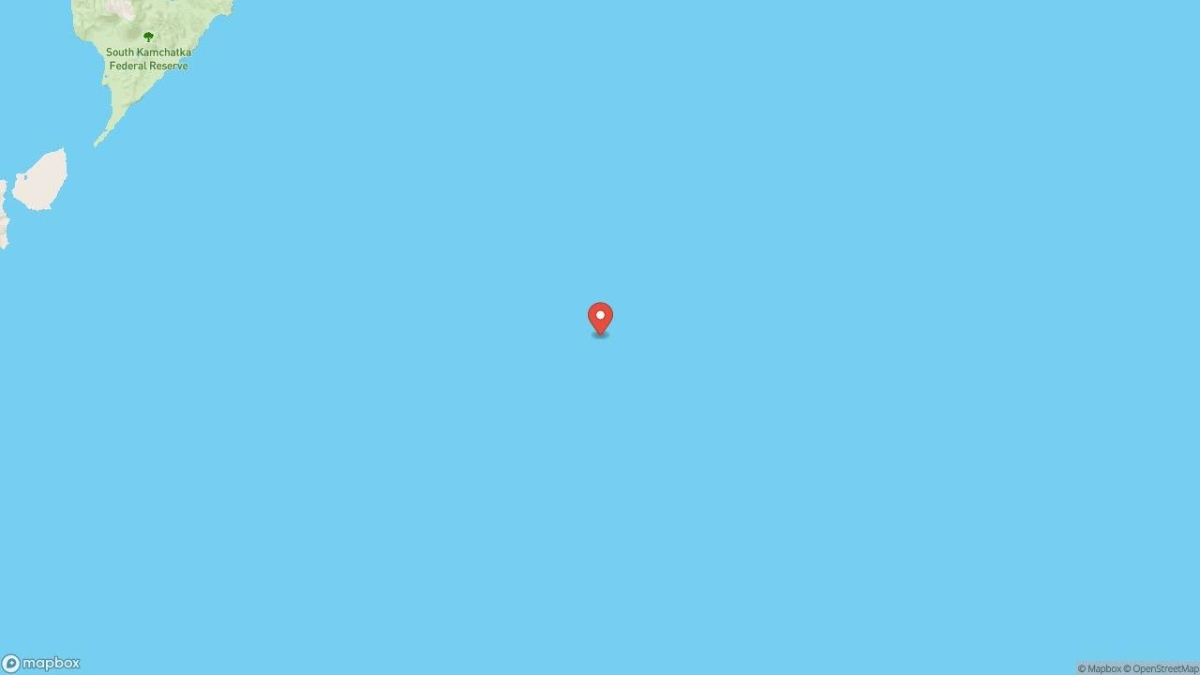
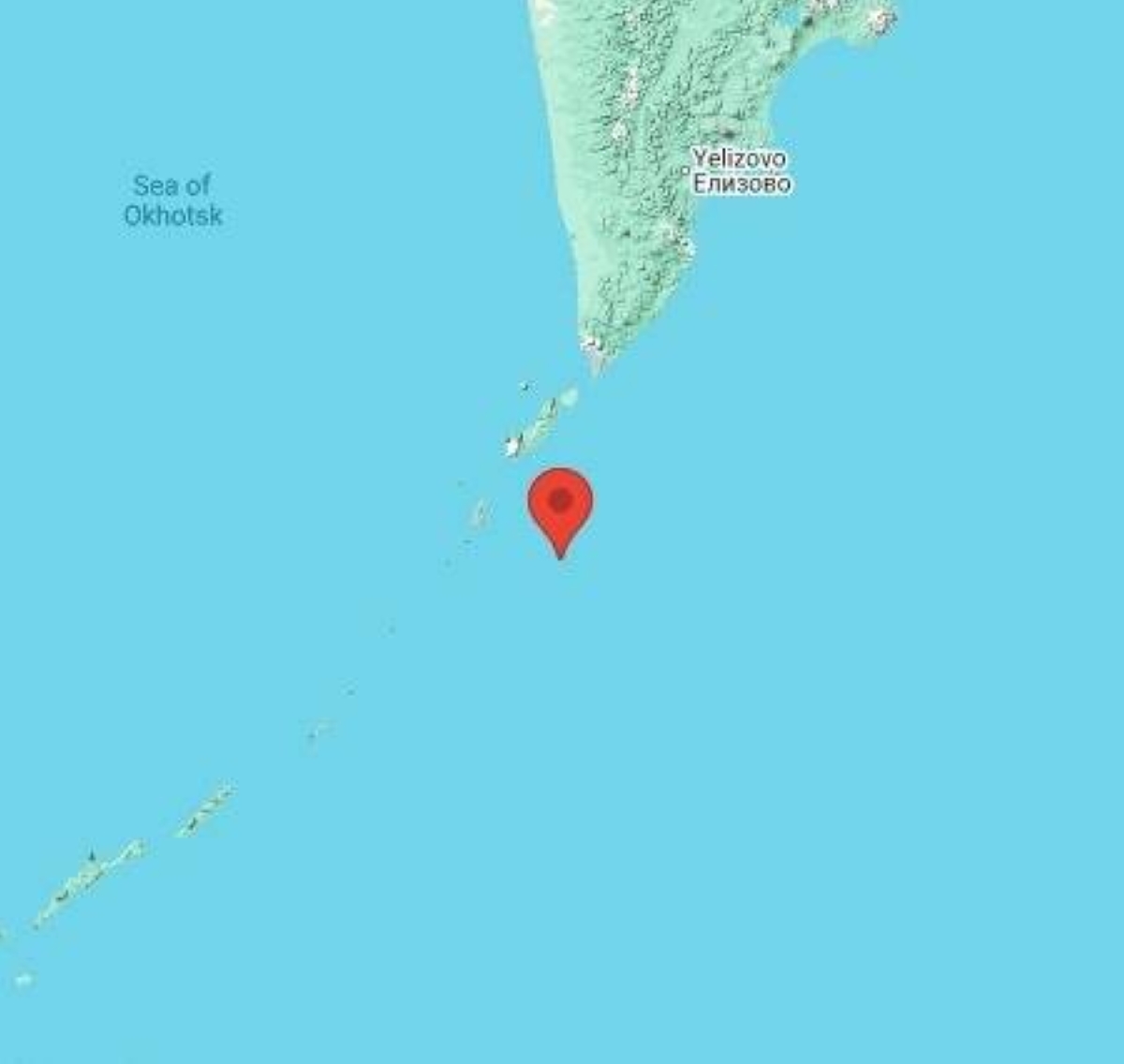
ضرب زلزال بقوة 6 درجات على مقياس ريختر الجزء الشرقي من جزر كوريل في روسيا اليوم (السبت)، وفقا لتقرير صادر عن المركز الأوروبي - المتوسطي لرصد الزلازل، ووقع الزلزال على عمق 10 كيلومترات تحت سطح البحر، على بعد 343 كيلومترا جنوب شرق مدينة بيتروبافلوفسك - كامتشاتسكي، و267 كيلومترا شرق سيفيرو-كوريلسك.
ولم تُبلغ السلطات الروسية عن أي أضرار مادية أو خسائر بشرية حتى الآن، ولم يتم إصدار تحذيرات من تسونامي عقب هذا الزلزال، ومع ذلك، أثار الحدث قلقا في المنطقة نظرا لتاريخها الزلزالي النشط، إذ شهدت جزر كوريل سلسلة من الهزات الأرضية خلال الأسابيع الماضية، بما في ذلك زلزال بقوة 8.8 درجة في 30 يوليو قبالة شبه جزيرة كامتشاتكا، تسبب في تحذيرات من تسونامي عبر المحيط الهادئ.
وتُراقب الجهات المختصة، بما في ذلك المركز الوطني للزلازل والمركز الأوروبي - المتوسطي، النشاط الزلزالي في المنطقة تحسبا لأي هزات ارتدادية، وأفادت منشورات على منصة «إكس» بأن السكان في المناطق القريبة شعروا بالهزة، لكن لم تُسجل أي تقارير عن أضرار كبيرة.
وتقع جزر كوريل، وهي سلسلة من الجزر البركانية تمتد بين شبه جزيرة كامتشاتكا الروسية وجزيرة هوكايدو اليابانية، على طول «حلقة النار» في المحيط الهادئ، وهي منطقة معروفة بنشاطها الزلزالي والبركاني العالي بسبب التقاء الصفائح التكتونية.
وتشهد المنطقة زلازل متكررة، إذ سجلت خلال 2025 عدة هزات بقوة تجاوزت 6 درجات، بما في ذلك زلزال بقوة 6.8 درجة في 3 أغسطس وزلزال آخر بقوة 8.8 درجة في 30 يوليو، تسبب في أضرار محدودة وإجلاءات في اليابان وروسيا بسبب موجات تسونامي.
وغالبا ما تكون الزلازل في هذه المنطقة على أعماق ضحلة (أقل من 70 كيلومترا)، ما يجعلها أكثر خطورة لأنها قد تتسبب في هزات قوية على السطح، ووفقا للمركز الوطني للزلازل، فإن الزلزال الأخير بقوة 6 درجات يُعتبر معتدل القوة، لكنه يُسلط الضوء على الحاجة إلى جاهزية مستمرة في المنطقة.
وتعد روسيا واليابان من بين الدول الأكثر استعدادا للزلازل، حيث تُجري السلطات تدريبات دورية وتُصدر تحذيرات مبكرة من تسونامي، ومع ذلك، يبقى التحدي الأكبر هو حماية المناطق النائية مثل جزر كوريل، التي تفتقر إلى بنية تحتية متقدمة مقارنة بالمدن الكبرى مثل بيتروبافلوفسك -كامتشاتسكي.
A 6-magnitude earthquake struck the eastern part of the Kuril Islands in Russia today (Saturday), according to a report from the European-Mediterranean Seismological Centre. The earthquake occurred at a depth of 10 kilometers beneath the sea surface, 343 kilometers southeast of the city of Petropavlovsk-Kamchatsky, and 267 kilometers east of Severo-Kurilsk.
The Russian authorities have not reported any material damage or human casualties so far, and no tsunami warnings were issued following this earthquake. However, the event has raised concerns in the region due to its active seismic history, as the Kuril Islands have experienced a series of tremors over the past weeks, including an 8.8-magnitude earthquake on July 30 off the Kamchatka Peninsula, which triggered tsunami warnings across the Pacific.
Authorities, including the National Earthquake Centre and the European-Mediterranean Centre, are monitoring seismic activity in the area in anticipation of any aftershocks. Posts on the "X" platform reported that residents in nearby areas felt the tremor, but no significant damage reports have been recorded.
The Kuril Islands, a chain of volcanic islands stretching between the Russian Kamchatka Peninsula and Japan's Hokkaido Island, are located along the "Ring of Fire" in the Pacific Ocean, an area known for its high seismic and volcanic activity due to the convergence of tectonic plates.
The region experiences frequent earthquakes, having recorded several tremors exceeding 6 magnitudes in 2025, including a 6.8-magnitude earthquake on August 3 and another 8.8-magnitude earthquake on July 30, which caused limited damage and evacuations in Japan and Russia due to tsunami waves.
Earthquakes in this area are often shallow (less than 70 kilometers deep), making them more dangerous as they can cause strong surface shaking. According to the National Earthquake Centre, the recent 6-magnitude earthquake is considered moderate, but it highlights the need for ongoing preparedness in the region.
Russia and Japan are among the most earthquake-prepared countries, with authorities conducting regular drills and issuing early tsunami warnings. However, the biggest challenge remains protecting remote areas like the Kuril Islands, which lack advanced infrastructure compared to major cities like Petropavlovsk-Kamchatsky.