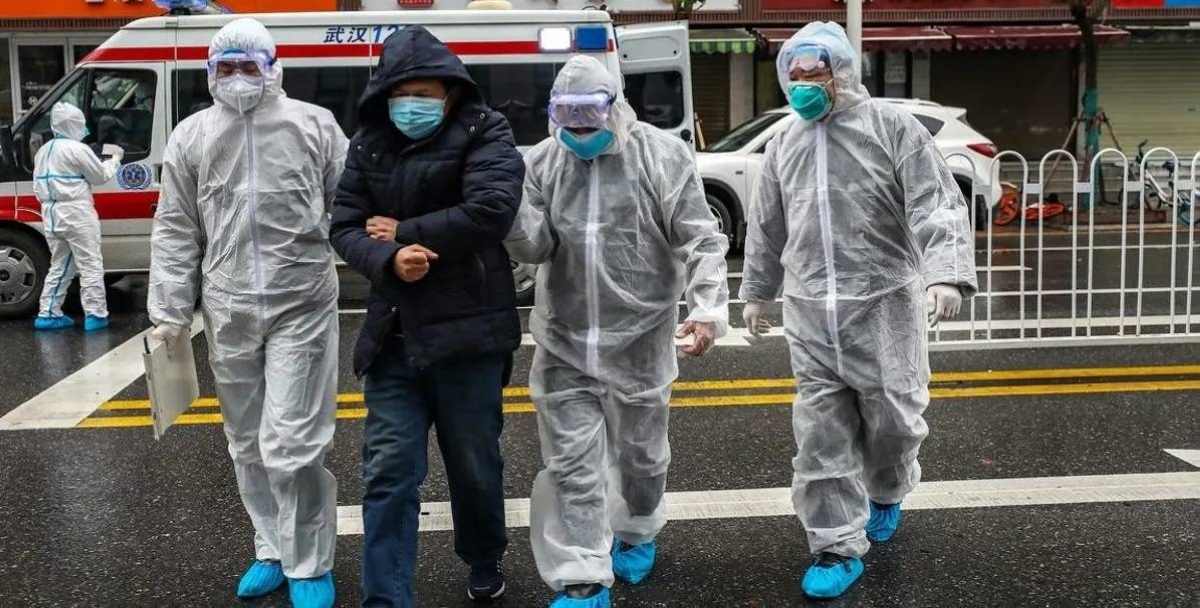
أعلنت السلطات الصينية عن تزايد مقلق في عدد الإصابات بفايروس شيكونجونيا، وهو مرض فايروسي ينتقل عبر لدغات البعوض ويسبب الحمى وآلام المفاصل الحادة، إذ سجلت الحكومة أكثر من 7000 حالة مؤكدة حتى أوائل أغسطس، مع تركز الإصابات بشكل رئيسي في مدينة فوشان، مركز التصنيع الجنوبي في مقاطعة قوانغدونغ.
وفي إطار الاستجابة السريعة، اتخذت السلطات هذا الأسبوع إجراءات صارمة للحد من انتشار الفايروس، مستعينة بخبراتها في مكافحة الأوبئة السابقة مثل كوفيد-19. وتشمل الإجراءات رذاذ المبيدات الحشرية في الشوارع والمناطق السكنية، ونشر طائرات دون طيار لتحديد مواقع تكاثر البعوض، وإطلاق أسماك تتغذى على يرقات البعوض في البحيرات، إضافة إلى إطلاق «بعوض الفيل» الذي يتغذى على يرقات البعوض الناقل للفايروس.
كما فرضت السلطات غرامات تصل إلى 10000 يوان (نحو 1400 دولار) على السكان الذين يتركون مياهاً راكدة في منازلهم، مثل أواني الزهور أو صواني القهوة، والتي تُعتبر بيئة مثالية لتكاثر البعوض. وفي فوشان، يُطلب من المصابين البقاء في أجنحة عزل مزودة بشبكات مضادة للبعوض، مع إجراء اختبارات يومية للتأكد من خلو المرضى من الفايروس قبل الخروج.
ووفقاً للسلطات، بدأت الإصابات الجديدة في الانخفاض في بعض المناطق المتضررة مثل حي شوندي في فوشان، إذ انخفضت الحالات الجديدة لخمسة أيام متتالية حتى أوائل أغسطس، ومع ذلك، حذر المسؤولون من أن موسم الفيضانات والأمطار الغزيرة قد يزيد من تحديات مكافحة المرض خلال الأسابيع القادمة.
وينتقل فايروس شيكونجونيا، الذي اكتُشف لأول مرة في تنزانيا عام 1952، عبر لدغات بعوض الزاعجة المصاب، وهو نفس البعوض الناقل لفايروسات الدنغ والزيكا، ويُسبب الفايروس أعراضاً مثل الحمى، آلام المفاصل، الطفح الجلدي، والصداع، والتي غالباً ما تستمر لأسبوع، لكن آلام المفاصل قد تستمر لأشهر أو حتى سنوات في بعض الحالات.
وعلى الرغم من أن الوفيات نادرة، إلا أن التفشي الحالي في الصين هو الأكبر من نوعه منذ ظهور الفايروس في البلاد عام 2008، وبدأت الحالات في فوشان بعد اكتشاف حالة مستوردة في 8 يوليو، وانتشرت بسرعة بسبب نقص المناعة المسبقة لدى السكان، إلى جانب الظروف المناخية الرطبة والحارة التي ساعدت على تكاثر البعوض.
وسجلت فوشان، التي يبلغ عدد سكانها نحو 9 ملايين نسمة، نحو 95% من الحالات في قوانغدونغ، مع انتشار محدود في مدن أخرى مثل قوانغتشو وشنتشن. وعالمياً، سجلت منظمة الصحة العالمية نحو 240000 حالة و90 وفاة في 2025، مع تفشيات كبيرة في أمريكا الجنوبية وأفريقيا.
The Chinese authorities have announced a concerning increase in the number of cases of the Chikungunya virus, a viral disease transmitted through mosquito bites that causes fever and severe joint pain. The government has recorded more than 7,000 confirmed cases as of early August, with infections primarily concentrated in the city of Foshan, the southern manufacturing hub in Guangdong Province.
As part of the rapid response, the authorities have taken strict measures this week to curb the spread of the virus, drawing on their experiences in combating previous epidemics such as COVID-19. The measures include spraying insecticides in streets and residential areas, deploying drones to identify mosquito breeding sites, releasing fish that feed on mosquito larvae in lakes, and introducing "elephant mosquitoes" that feed on the larvae of the virus-carrying mosquitoes.
The authorities have also imposed fines of up to 10,000 yuan (about $1,400) on residents who leave standing water in their homes, such as flower pots or coffee trays, which are considered ideal environments for mosquito breeding. In Foshan, infected individuals are required to stay in isolation wards equipped with mosquito nets, with daily tests conducted to ensure that patients are free of the virus before they can leave.
According to the authorities, new infections have begun to decline in some affected areas, such as the Shunde District in Foshan, where new cases have decreased for five consecutive days until early August. However, officials have warned that the flood season and heavy rains may increase the challenges of combating the disease in the coming weeks.
The Chikungunya virus, first discovered in Tanzania in 1952, is transmitted through the bites of infected Aedes mosquitoes, the same mosquitoes that carry the dengue and Zika viruses. The virus causes symptoms such as fever, joint pain, rash, and headache, which often last for a week, but joint pain may persist for months or even years in some cases.
Although fatalities are rare, the current outbreak in China is the largest of its kind since the virus appeared in the country in 2008. Cases in Foshan began after an imported case was discovered on July 8, and spread rapidly due to the lack of prior immunity among the population, along with the humid and hot climatic conditions that facilitated mosquito breeding.
Foshan, with a population of about 9 million, has recorded approximately 95% of the cases in Guangdong, with limited spread in other cities such as Guangzhou and Shenzhen. Globally, the World Health Organization has reported about 240,000 cases and 90 deaths in 2025, with significant outbreaks in South America and Africa.