بعد مرور خمس سنوات على جائحة كوفيد-19، تشهد مقاطعة غوانغدونغ جنوب الصين تفشياً لفايروس «شيكونغونيا» المنقول عبر البعوض. ففي الأسابيع الأخيرة أُصيب أكثر من 7 آلاف شخص في مدينة فوشان، إلى جانب إصابات متفرقة في مدن مجاورة، في أكبر تفشٍّ للفايروس منذ اكتشافه قبل نحو عقدين.
تسترجع السلطات إجراءات مكافحة كورونا، فتجري فحوصات جماعية، وتُعزل المصابين وتطهر الأحياء، كما خصصت فوشان عشرات المستشفيات وحددت أكثر من 7 آلاف سرير عزل محمي من البعوض. وللحد من تكاثر النواقل، لجأت إلى نشر أسماك آكلة لليرقات في البحيرات، وإطلاق بعوض فيل لا يلدغ البشر لكنه يفترس «الزاعجة» الحاملة للفايروس.
مدينة فوشان الصينية.
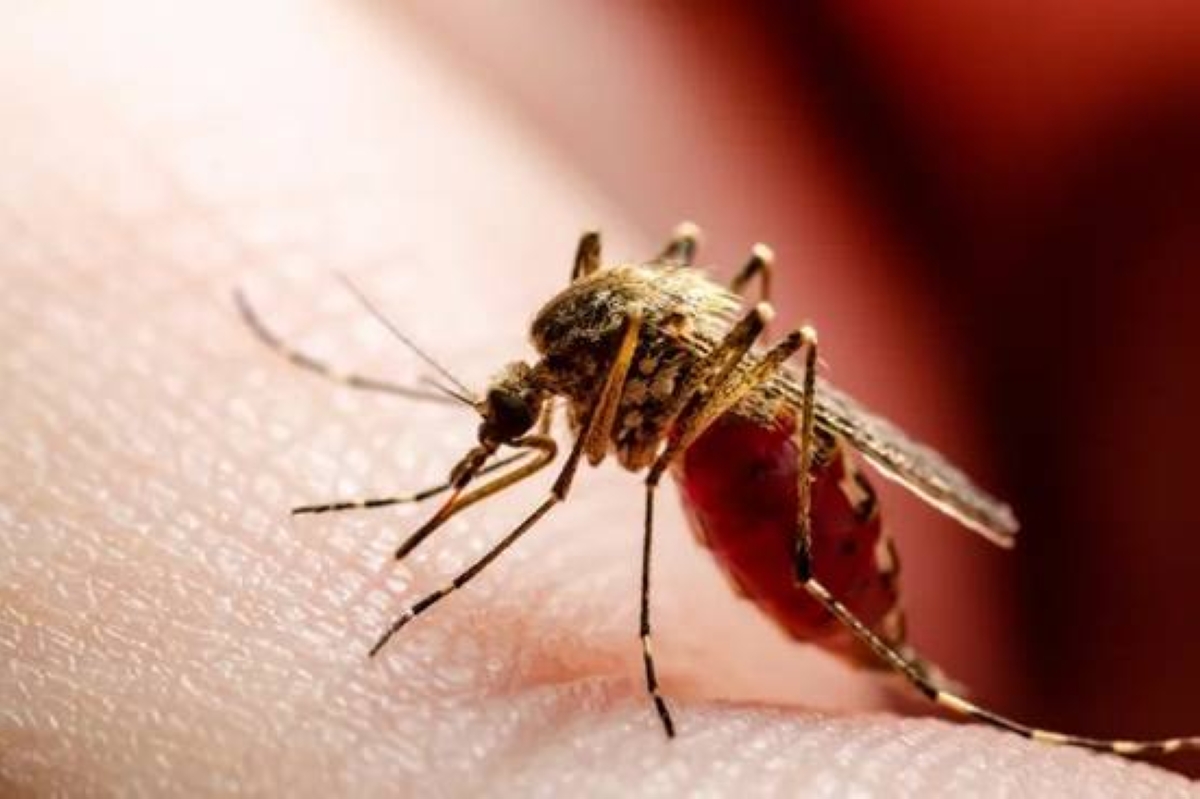
ينتقل «شيكونغونيا» عبر لدغات بعوض الزاعجة المصرية والمنقطة، التي قد تنقل أيضاً حمى الضنك وزيكا، وتظهر أعراضه بعد 4–8 أيام من الإصابة، وتشمل الحمى والتعب والغثيان وآلام المفاصل التي قد تستمر شهوراً. اسم الفايروس مشتق من لغة «كيداكوندي» التنزانية عام 1952 ويعني «الشيء الملتوي» في إشارة لألم المفاصل.
لا ينتقل الفايروس بين البشر ونادراً ما يكون مميتاً، لكن الرضّع وكبار السن أكثر عرضة للأعراض الشديدة. لا علاج شافياً متوفر، ويُكتفى باستخدام الباراسيتامول أو الأسيتامينوفين لتخفيف الأعراض.
شهدت دول آسيوية وأفريقية تفشّيات على مدار العقود الماضية، منها تايلاند (1967) والهند (السبعينات و2006) وجزيرة لامو الكينية (2004)، إضافة إلى انتشار حديث في لاريونيون الفرنسية وظهوره في فلوريدا وتكساس الأمريكية عام 2014. أما بين 2010 و2019 فأبلغت الصين عن حالات متفرقة. وعالمياً، سُجلت هذا العام نحو 240 ألف إصابة و90 وفاة، وكانت دول أمريكا الجنوبية الأكثر تضرراً.
Five years after the COVID-19 pandemic, Guangdong Province in southern China is experiencing an outbreak of the mosquito-borne virus "Chikungunya." In recent weeks, more than 7,000 people have been infected in the city of Foshan, along with scattered cases in neighboring cities, marking the largest outbreak of the virus since its discovery nearly two decades ago.
The authorities are reinstating COVID-19 control measures, conducting mass testing, isolating the infected, and disinfecting neighborhoods. Foshan has allocated dozens of hospitals and designated more than 7,000 mosquito-protected isolation beds. To curb the breeding of vectors, they have resorted to releasing larvivorous fish in lakes and introducing the non-biting African mosquito that preys on the Aedes mosquito, which carries the virus.
مدينة فوشان الصينية.
Chikungunya is transmitted through the bites of Aedes aegypti and Aedes albopictus mosquitoes, which can also transmit dengue fever and Zika virus. Symptoms appear 4–8 days after infection and include fever, fatigue, nausea, and joint pain that can last for months. The virus's name is derived from the Kikuya language of Tanzania in 1952 and means "that which bends up," referring to the joint pain.
The virus does not spread between humans and is rarely fatal, but infants and the elderly are more susceptible to severe symptoms. There is no curative treatment available, and the use of paracetamol or acetaminophen is limited to alleviating symptoms.
Asian and African countries have witnessed outbreaks over the past decades, including Thailand (1967), India (1970s and 2006), and Lamu Island in Kenya (2004), in addition to a recent spread in Réunion and its emergence in Florida and Texas in the United States in 2014. Between 2010 and 2019, China reported sporadic cases. Globally, around 240,000 infections and 90 deaths were recorded this year, with South American countries being the most affected.