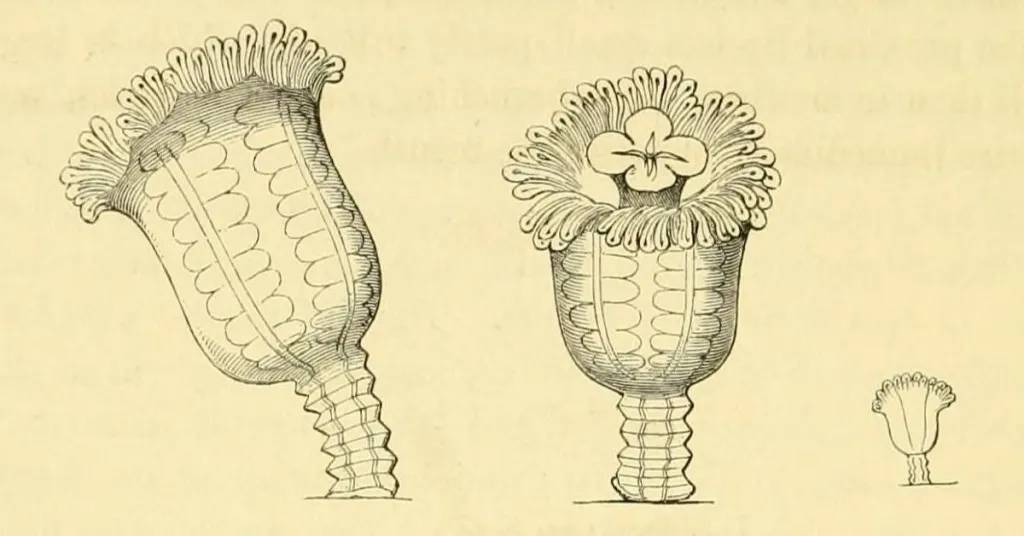
في اكتشاف جديد، عثر سائح في جزر هبريدس الخارجية على قنديل بحر يُعتقد أنه انقرض منذ نحو 50 عامًا. كان قنديل البحر المعروف باسم ديباستروم سياثيفورم، تم رصده آخر مرة في المياه عام 1976، قبل أن يُعتبر من الأنواع المنقرضة، إلا أن السائح نيل روبرتس الذي كان يستمتع بزيارة برك الصخور، اكتشف أربعة من هذه الكائنات البحرية العائمة، ليُفاجئ العلماء بوجودها الحي في المياه مرة أخرى.
وقد أكد جاي فريمان، محرر مجلة الحياة البرية البريطانية، اكتشاف روبرتس بعد أن قام بزيارة الموقع ووجد المزيد من قناديل البحر هناك. ووصف فريمان هذا الاكتشاف بالاستثنائي، قائلًا: «كان الأمر أشبه برؤية شبح». وأضاف أن هذا النوع النادر يُعد جزءًا من مجموعة من 50 نوعًا معروفًا من قناديل البحر ذات السيقان، التي تختفي عن الأنظار عادة نظرًا لأسلوب حياتها الثابت.
وتفاعل العلماء مثل ألين كولينز من متحف سميثسونيان ووصفوا الاكتشاف بأنه «رائع حقًا»، معربين عن أملهم في أن يُساهم هذا الكشف في فهم أفضل لهذه الأنواع النادرة. وبدورها أكدت كريستين جونسون من مركز التسجيل البيولوجي في جزر هبريدس الخارجية أن هذا الاكتشاف يعد تذكيرًا بقيمة ملاحظة البيئة من حولنا، حيث يمكن أن تكون الاكتشافات القيمة في أبسط الأشياء اليومية.
ويعكس هذا الاكتشاف الأمل في إعادة اكتشاف الأنواع البحرية التي كان يُعتقد أنها اختفت، وهو دعوة لتجديد الاهتمام بحماية البيئة البحرية.
In a new discovery, a tourist in the Outer Hebrides found a jellyfish believed to have been extinct for about 50 years. The jellyfish, known as Diphasiastrum cyathiforme, was last spotted in the waters in 1976 before being considered extinct. However, the tourist Neil Roberts, who was enjoying a visit to the rock pools, discovered four of these floating marine creatures, surprising scientists with their living presence in the waters once again.
Jay Freeman, editor of British Wildlife magazine, confirmed Roberts' discovery after visiting the site and finding more jellyfish there. Freeman described this discovery as exceptional, saying, "It was like seeing a ghost." He added that this rare species is part of a group of 50 known species of stalked jellyfish, which usually disappear from sight due to their sedentary lifestyle.
Scientists like Allen Collins from the Smithsonian Museum reacted by describing the discovery as "truly amazing," expressing hope that this finding will contribute to a better understanding of these rare species. For her part, Christine Johnson from the Biological Recording Centre in the Outer Hebrides confirmed that this discovery serves as a reminder of the value of observing the environment around us, where valuable discoveries can be found in the simplest everyday things.
This discovery reflects hope for the rediscovery of marine species thought to be lost, and it is a call to renew interest in protecting the marine environment.