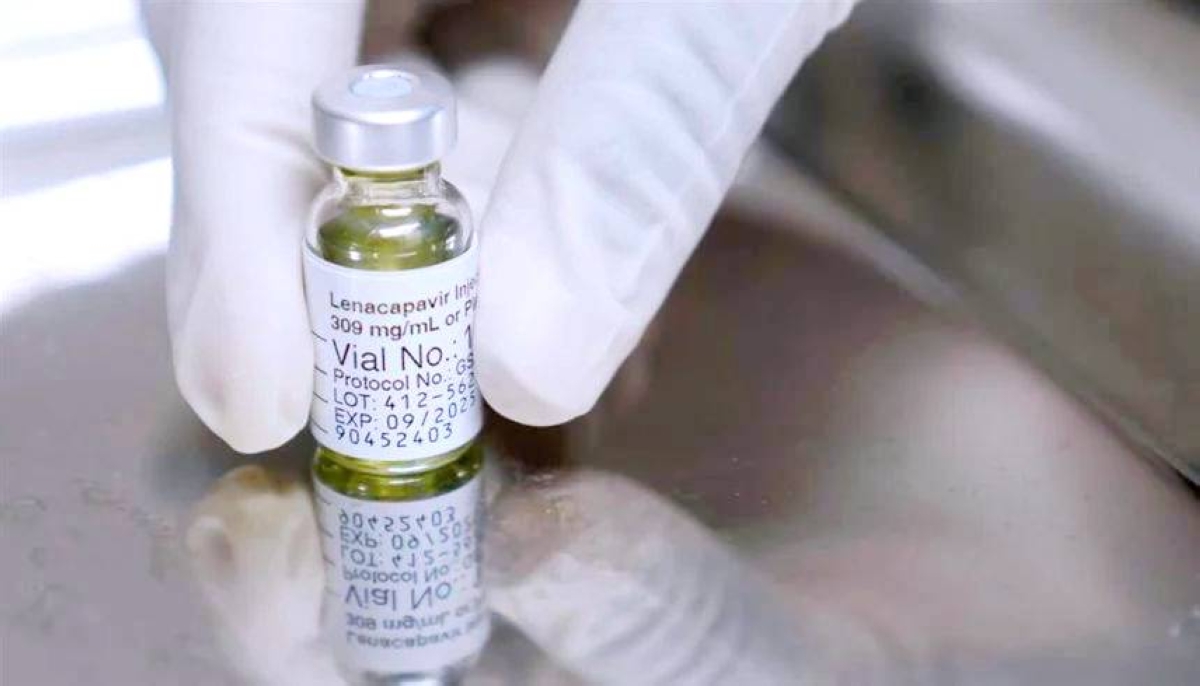
أعلنت وكالة الأدوية الأوروبية (EMA) رسميًا موافقتها على استخدام دواء «أبريتود» (Apretude)، كأول علاج طويل المفعول للوقاية من فايروس نقص المناعة البشرية (الإيدز)، عبر حقنة تُعطى كل شهرين بديلًا عن الأدوية اليومية المعتادة. هذا القرار التاريخي يمثّل تقدمًا نوعيًا في مكافحة الفايروس، ويُتوقع أن يُحدث نقلة في إستراتيجيات الوقاية.
الدواء أُثبتت فعاليته في تقليل معدلات الإصابة بنسبة مرتفعة، وحقق نتائج مشجعة خلال التجارب السريرية التي شملت فئات معرضة للخطر في أمريكا وأوروبا. ويمنح هذا العلاج راحة نفسية والتزامًا أسهل، خصوصا للأشخاص الذين يجدون صعوبة في تناول الأدوية يوميًا.
الهيئات الصحية في أوروبا ترى أن العقار الجديد سيُحدث فارقًا كبيرًا في الخطط الوقائية، ويُساعد في الحد من انتشار الفايروس عالميًا. ويأمل المطورون أن يفتح هذا الإنجاز المجال لاعتماده في دول أخرى قريبًا، بما في ذلك دول المنطقة.
أوروبا تعتمد دواءً وقائياً ثورياً للإيدز
29 يوليو 2025 - 18:21
|
آخر تحديث 29 يوليو 2025 - 18:21


تابع قناة عكاظ على الواتساب
«عكاظ» (بروكسل) OKAZ_online@
The European Medicines Agency (EMA) has officially announced its approval for the use of the drug "Apretude" as the first long-acting treatment for the prevention of HIV (AIDS), administered via an injection given every two months as an alternative to the usual daily medications. This historic decision represents a qualitative advancement in the fight against the virus and is expected to bring about a shift in prevention strategies.
The drug has proven effective in significantly reducing infection rates and has shown encouraging results during clinical trials that included at-risk populations in America and Europe. This treatment offers psychological comfort and easier adherence, especially for individuals who find it difficult to take daily medications.
Health authorities in Europe believe that the new drug will make a significant difference in preventive plans and will help reduce the global spread of the virus. Developers hope that this achievement will pave the way for its adoption in other countries soon, including those in the region.
The drug has proven effective in significantly reducing infection rates and has shown encouraging results during clinical trials that included at-risk populations in America and Europe. This treatment offers psychological comfort and easier adherence, especially for individuals who find it difficult to take daily medications.
Health authorities in Europe believe that the new drug will make a significant difference in preventive plans and will help reduce the global spread of the virus. Developers hope that this achievement will pave the way for its adoption in other countries soon, including those in the region.