أطلقت منظمة الصحة العالمية تحذيرًا عاجلًا بشأن عودة تفشي فيروس شيكونغونيا، وهو مرض فيروسي ينقله البعوض، محذّرة من إمكانية تحوّله إلى أزمة صحية عالمية جديدة إذا لم تُتخذ إجراءات وقائية عاجلة.
وقالت المنظمة إن الفايروس الذي يسبب حمى وآلامًا حادة في المفاصل وقد يؤدي في بعض الحالات النادرة إلى الوفاة، ينتشر بسرعة في مناطق من أفريقيا وجزر المحيط الهندي، مع تسجيل إصابات في دول أوروبية مثل فرنسا، إضافة إلى حالات مشتبه بها في إيطاليا.
ووفقًا للبيانات الأخيرة، فإن جزر ريونيون ومايوت وموريشيوس تشهد نسب إصابة مرتفعة، قد تصل في بعضها إلى ثلث عدد السكان. كما رُصد انتشار للفيروس في مدغشقر وكينيا والصومال وأجزاء من جنوب آسيا.
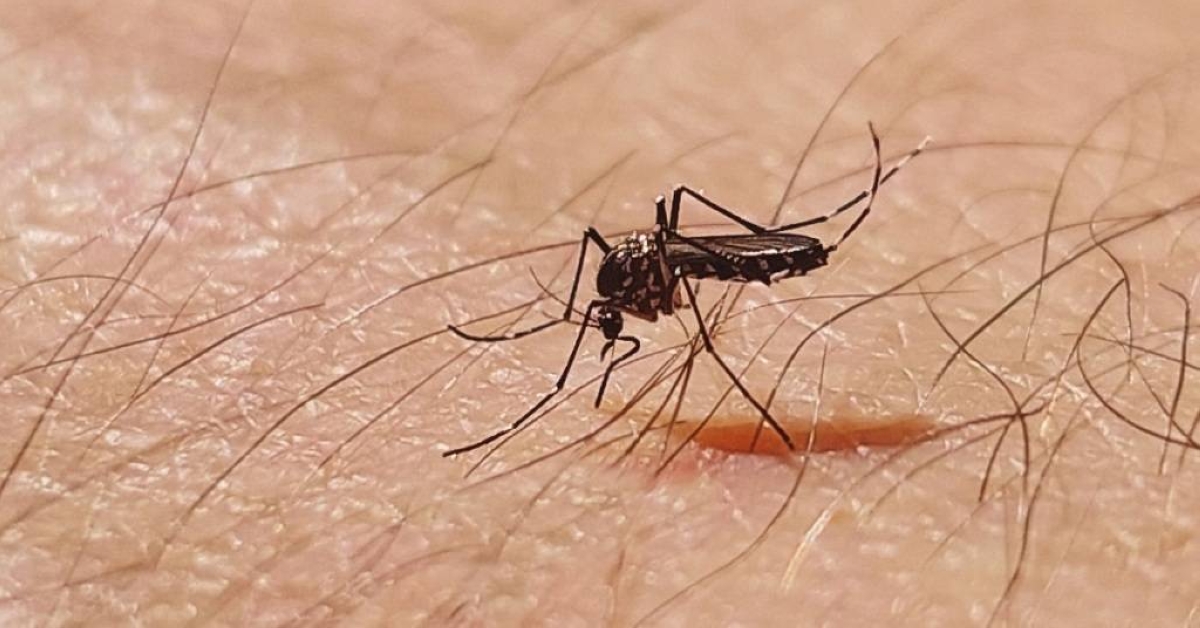
وينتقل الفيروس عبر بعوضة Aedes albopictus المعروفة بـ«بعوضة النمر»، وهي حشرة عدوانية نشطة خلال النهار. ويُرجع الخبراء توسع رقعة هذه البعوضة إلى التغيرات المناخية، ما يفاقم من احتمالات تفشي المرض في مناطق جديدة.
وتتمثل خطورة شيكونغونيا في صعوبة تشخيصه، إذ تتشابه أعراضه مع أمراض أخرى مثل حمى الضنك وفيروس زيكا، بينما تُعد نسبة الوفيات منخفضة (أقل من 1%)، إلا أن الأعراض المزعجة قد تستمر لأسابيع أو شهور، مسببة إنهاكًا شديدًا للمصابين.
وحثّت منظمة الصحة العالمية الحكومات على تعزيز أنظمة الرصد الوبائي ومكافحة البعوض. بينما طالبت الأفراد بتجنب التعرّض للدغات البعوض والتخلص من المياه الراكدة واستخدام الطاردات خصوصًا خلال موسم الصيف.
The World Health Organization has issued an urgent warning about the resurgence of the Chikungunya virus, a mosquito-borne viral disease, cautioning that it could turn into a new global health crisis if immediate preventive measures are not taken.
The organization stated that the virus, which causes fever and severe joint pain and can lead to death in some rare cases, is spreading rapidly in parts of Africa and the Indian Ocean islands, with reported cases in European countries such as France, in addition to suspected cases in Italy.
According to recent data, the islands of Réunion, Mayotte, and Mauritius are experiencing high infection rates, with some areas reaching up to one-third of the population. The virus has also been observed spreading in Madagascar, Kenya, Somalia, and parts of South Asia.
The virus is transmitted by the Aedes albopictus mosquito, known as the "tiger mosquito," which is an aggressive insect active during the day. Experts attribute the expansion of this mosquito's range to climate change, exacerbating the likelihood of the disease spreading to new areas.
The danger of Chikungunya lies in its difficult diagnosis, as its symptoms are similar to other diseases such as dengue fever and the Zika virus. While the mortality rate is low (less than 1%), the disturbing symptoms can last for weeks or months, causing severe fatigue for those affected.
The World Health Organization urged governments to strengthen surveillance systems and mosquito control efforts. Meanwhile, it advised individuals to avoid mosquito bites, eliminate stagnant water, and use repellents, especially during the summer season.