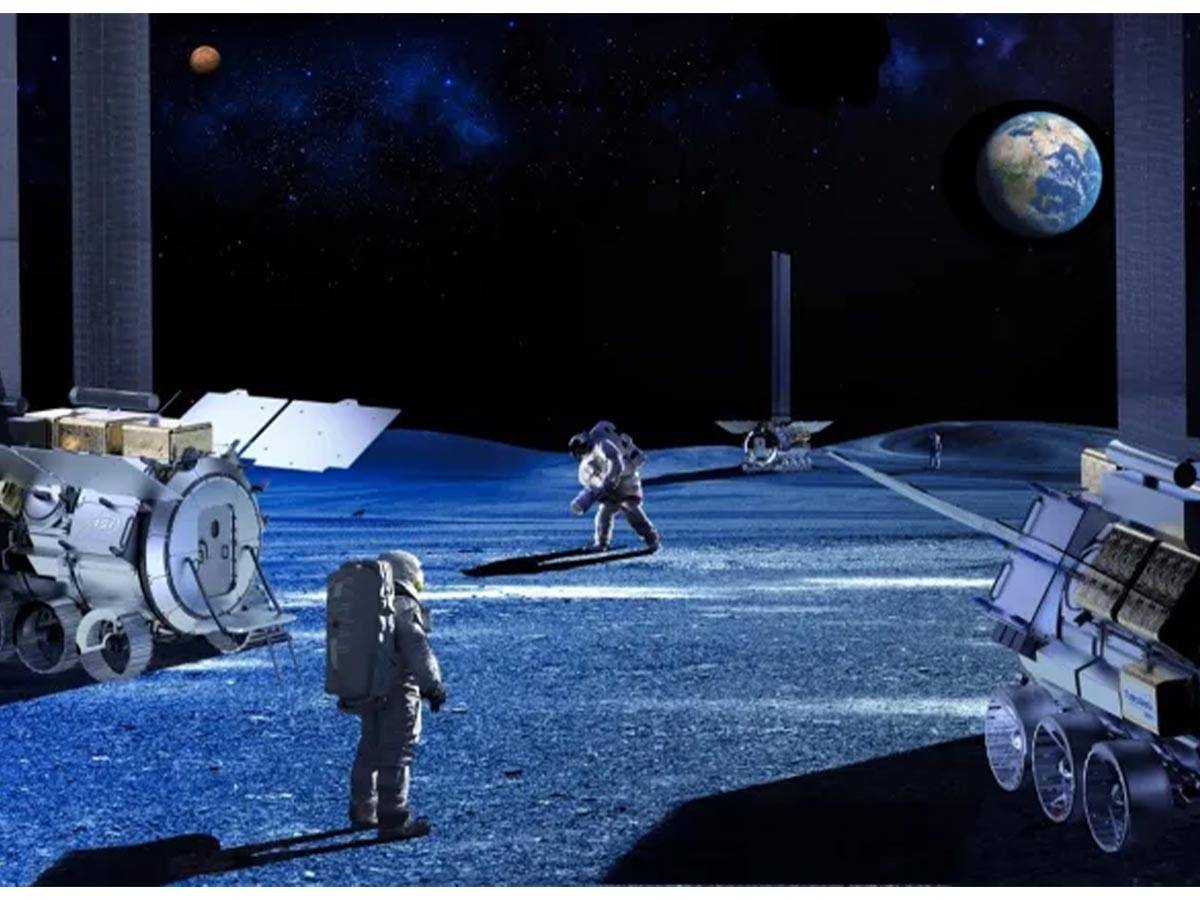
أعلنت وكالة الفضاء الإيطالية وشركة طاليس ألينيا سبيس الفرنسية، أمس، توقيع عقد لتطوير أول موقع إقامة بشري على سطح القمر، في إطار برنامج أرتميس، وهو مشروع مشترك بين الشركة الفرنسية وشركة ليوناردو الإيطالية.
وذكرت شركة طاليس ألينيا، في بيان لها، أنها ستوفر وحدة سكن آمنة ومريحة ومتعددة الوظائف لرواد الفضاء، ومتوافقة تماماً مع الأنظمة والمكونات الأخرى.
وقالت الشركة إن «نموذج السكن متعدد الأغراض، الذي يشكل عنصراً أساسياً لتحقيق وجود بشري دائم على سطح القمر، سيطلق من مركز كنيدي الفضائي التابع لإدارة الطيران والفضاء الأمريكية (ناسا) في 2033، وسيكون له عمر افتراضي لا يقل عن عشر سنوات».
وأوضحت أن الوحدة ستستخدم لإجراء تجارب علمية واختبار مدى قابلية العيش على سطح القمر، وربما تمهد الطريق لتنفيذ مهمات مستقبلية على كوكب المريخ.
ويعد برنامج «أرتميس» أحد البرامج التابعة لوكالة «ناسا» ويهدف إلى إرسال رواد فضاء إلى سطح القمر، في خطوة ترمي إلى بناء وجود بشري مستدام عليه.
ويعتبر البرنامج، الذي تقوده الولايات المتحدة، مشروعاً ضخماً تبلغ تكلفته مليارات الدولارات، ويضم عشرات الشركات الخاصة والدول التي تتصدر سباق الفضاء العالمي الناشئ، وينظر إلى القمر ضمنه بوصفه ساحة اختبار للبعثات المستقبلية نحو كوكب المريخ.
The Italian Space Agency and the French company Thales Alenia Space announced yesterday the signing of a contract to develop the first human settlement site on the surface of the Moon, as part of the Artemis program, a joint project between the French company and the Italian company Leonardo.
Thales Alenia stated in a press release that it will provide a safe, comfortable, and multifunctional living unit for astronauts, fully compatible with other systems and components.
The company said that "the multifunctional habitat model, which is a key element in achieving a permanent human presence on the Moon, will be launched from NASA's Kennedy Space Center in 2033, and it will have a lifespan of at least ten years."
It explained that the unit will be used to conduct scientific experiments and test the viability of living on the Moon, potentially paving the way for future missions to Mars.
The Artemis program is one of NASA's initiatives aimed at sending astronauts to the Moon's surface, in a step aimed at establishing a sustainable human presence there.
The program, led by the United States, is a massive project costing billions of dollars, involving dozens of private companies and countries that are at the forefront of the emerging global space race, with the Moon seen as a testing ground for future missions to Mars.