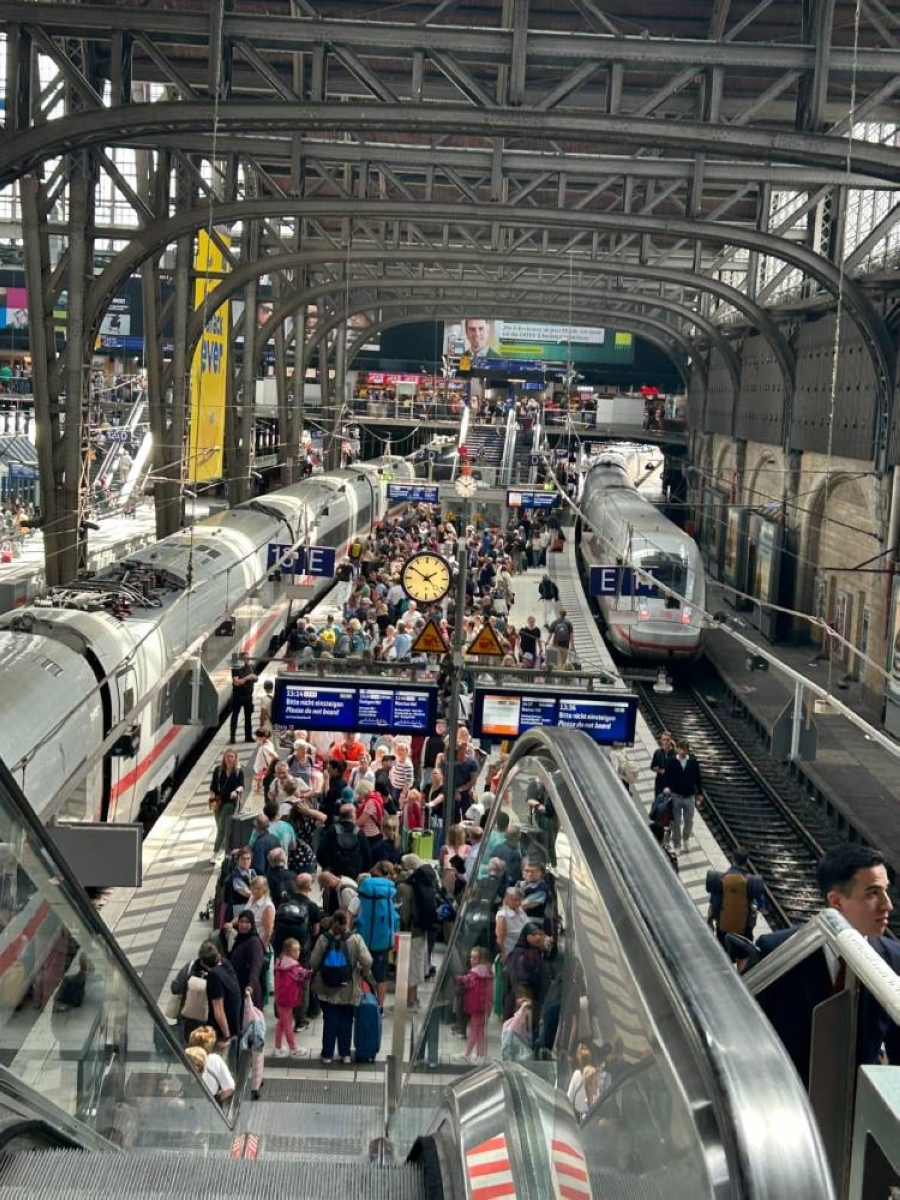
في حادثة مثيرة، تمكنت فرق الإنقاذ النمساوية من إجلاء حوالى 400 راكب من قطار فائق السرعة تابع لشركة السكك الحديدية النمساوية بعد توقفه داخل نفق بالقرب من العاصمة فيينا، حيث كان القطار في طريقه من فيينا إلى هامبورغ، ألمانيا، عندما أصابه عطل فني مفاجئ أدى إلى توقفه داخل نفق سكك حديدية، ما تسبب في حالة من الذعر بين الركاب.
استغرقت عملية الإنقاذ عدة ساعات بسبب التحديات اللوجستية المرتبطة بالعمل داخل النفق، لكن السلطات أكدت نجاح العملية دون تسجيل إصابات خطيرة، ووفقا للتقارير الأولية، وقع العطل بسبب خلل في نظام الطاقة الكهربائية للقطار، أدى إلى انقطاع التيار الكهربائي وتوقف أنظمة التهوية والإضاءة داخل القطار.
وأرسلت السلطات النمساوية فرق الطوارئ بسرعة إلى موقع الحادث، حيث عملت بالتعاون مع الشرطة وخدمات الإطفاء لضمان سلامة الركاب. تم إجلاء الركاب عبر مسارات آمنة داخل النفق، وتم نقلهم إلى محطة قريبة حيث تم توفير وسائل نقل بديلة لهم لمواصلة رحلتهم.
وتعد القطارات فائقة السرعة، مثل تلك التي تديرها شركة OBB، من أحدث وسائل النقل في أوروبا، حيث تصل سرعتها إلى أكثر من 300 كيلومتر في الساعة، وتربط هذه القطارات بين المدن الأوروبية الرئيسية مثل فيينا وهامبورغ، وتُعتبر وسيلة نقل موثوقة وصديقة للبيئة، ومع ذلك، فإن الأعطال الفنية، وإن كانت نادرة، يمكن أن تشكل تحديات كبيرة، خصوصا في بيئات معقدة مثل الأنفاق التي تتطلب تنسيقا دقيقا بين فرق الإنقاذ.
وتشتهر شركة OBB، المشغل الرئيسي للسكك الحديدية في النمسا، بمعايير السلامة العالية، لكن هذا الحادث يسلط الضوء على أهمية الصيانة الدورية وأنظمة الطوارئ في القطارات فائقة السرعة.
وفي السنوات الأخيرة، شهدت أوروبا حوادث سكك حديدية مماثلة، مثل حادث تصادم قطار فائق السرعة قرب هامبورغ في فبراير 2025، أسفر عن وفاة شخص وإصابة 25 آخرين، وحادث خروج قطار عن مساره في جنوب ألمانيا في يونيو 2024 بسبب انهيار أرضي.
In a dramatic incident, Austrian rescue teams managed to evacuate around 400 passengers from a high-speed train operated by the Austrian Federal Railways after it came to a stop inside a tunnel near the capital Vienna. The train was en route from Vienna to Hamburg, Germany, when it experienced a sudden technical failure that caused it to stop inside a railway tunnel, resulting in panic among the passengers.
The rescue operation took several hours due to the logistical challenges associated with working inside the tunnel, but authorities confirmed the operation's success without any serious injuries reported. According to initial reports, the failure was caused by a malfunction in the train's electrical power system, which led to a power outage and the failure of ventilation and lighting systems inside the train.
Austrian authorities quickly dispatched emergency teams to the scene, working in cooperation with police and fire services to ensure the safety of the passengers. The passengers were evacuated through safe routes inside the tunnel and were transported to a nearby station where alternative transportation was provided for them to continue their journey.
High-speed trains, such as those operated by OBB, are among the latest modes of transport in Europe, reaching speeds of over 300 kilometers per hour. These trains connect major European cities like Vienna and Hamburg and are considered a reliable and environmentally friendly means of transport. However, technical failures, although rare, can pose significant challenges, especially in complex environments like tunnels that require precise coordination among rescue teams.
The company OBB, the main railway operator in Austria, is known for its high safety standards, but this incident highlights the importance of regular maintenance and emergency systems in high-speed trains.
In recent years, Europe has witnessed similar railway incidents, such as a high-speed train collision near Hamburg in February 2025, which resulted in one death and 25 injuries, and a train derailment in southern Germany in June 2024 due to a landslide.