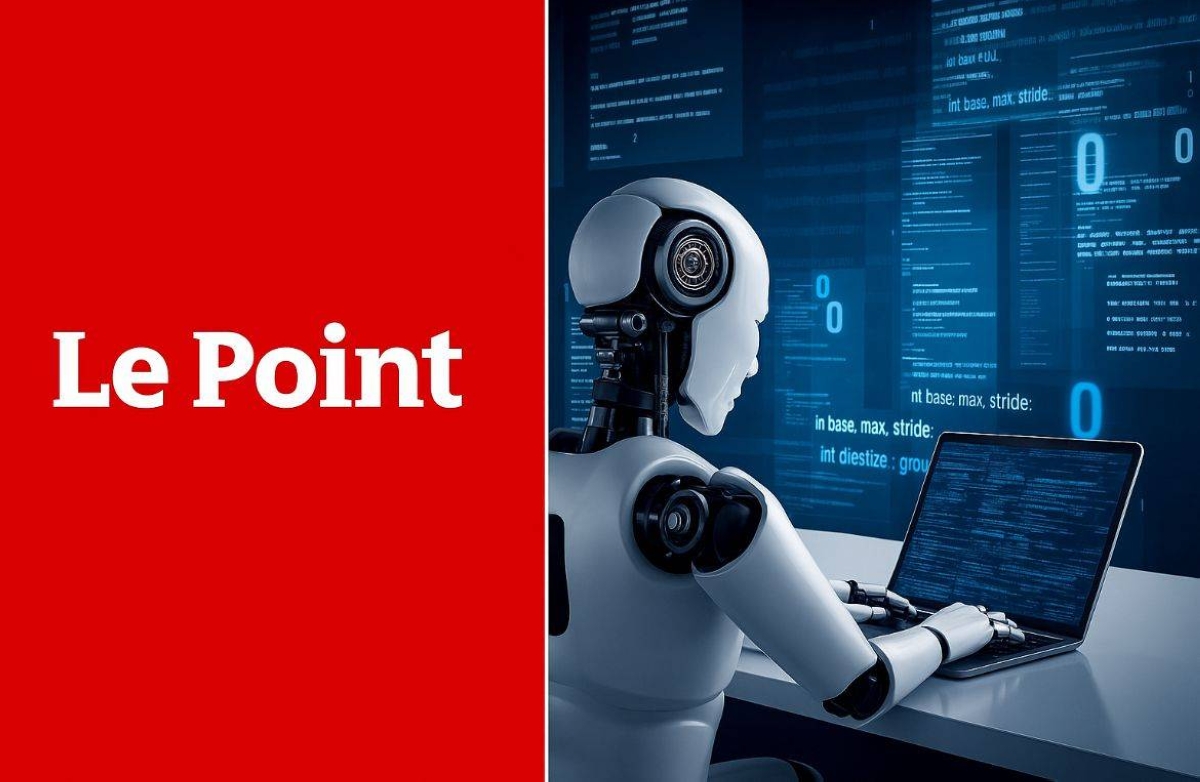
تعيش مجلة لوبوان الأسبوعية الفرنسية أزمة داخلية بعد إعلان إدارتها خططاً لاعتماد تقنيات الذكاء الاصطناعي في إنتاج المحتوى وتحرير المقالات، وهو ما سيتسبب في تسريح 52 موظفاً، بينهم فريق التصحيح اللغوي بالكامل.
الإدارة، بقيادة المدير العام إتيان جيرنيل، بررت القرار بتراجع مبيعات المجلة بشكل كبير خلال السنوات الأخيرة، إذ فقدت ربع قرائها وتراجعت الاشتراكات إلى النصف. وترى الإدارة أن إدخال الذكاء الاصطناعي سيساعد على خفض التكاليف وتسريع عملية التحرير.
في المقابل، أبدى الصحفيون رفضهم القاطع لهذه الخطوة، مؤكدين أن الاعتماد على الذكاء الاصطناعي سيؤثر على جودة العمل الصحفي، خصوصاً في مهمات مثل التحقق من الحقائق وصياغة الأسلوب التحريري.
صحيفة ليبراسيون الفرنسية علّقت على القرار ووصفته بأنه أول خطوة من نوعها في فرنسا لتسريح الصحفيين بحجة الذكاء الاصطناعي، محذّرة من أن هذه الخطوة قد تفتح الباب أمام تغييرات واسعة في قطاع الإعلام.
القضية أثارت نقاشاً أوسع في الوسط الإعلامي الفرنسي حول مستقبل الصحافة التقليدية ودور الذكاء الاصطناعي، بين من يراه أداة لتطوير العمل الصحفي، ومن يراه تهديداً لمهن ومهارات بشرية لا يمكن تعويضها.
The French weekly magazine Le Point is experiencing an internal crisis following the management's announcement of plans to adopt artificial intelligence technologies in content production and article editing, which will result in the layoff of 52 employees, including the entire proofreading team.
The management, led by General Director Étienne Gernelle, justified the decision by citing a significant decline in the magazine's sales over recent years, having lost a quarter of its readers and seeing subscriptions drop by half. The management believes that introducing artificial intelligence will help reduce costs and speed up the editing process.
In contrast, journalists have expressed their strong opposition to this move, asserting that reliance on artificial intelligence will affect the quality of journalistic work, especially in tasks such as fact-checking and crafting editorial style.
The French newspaper Libération commented on the decision, describing it as the first of its kind in France to lay off journalists under the pretext of artificial intelligence, warning that this step could open the door to widespread changes in the media sector.
The issue has sparked a broader discussion in the French media about the future of traditional journalism and the role of artificial intelligence, with some viewing it as a tool for enhancing journalistic work, while others see it as a threat to irreplaceable human professions and skills.