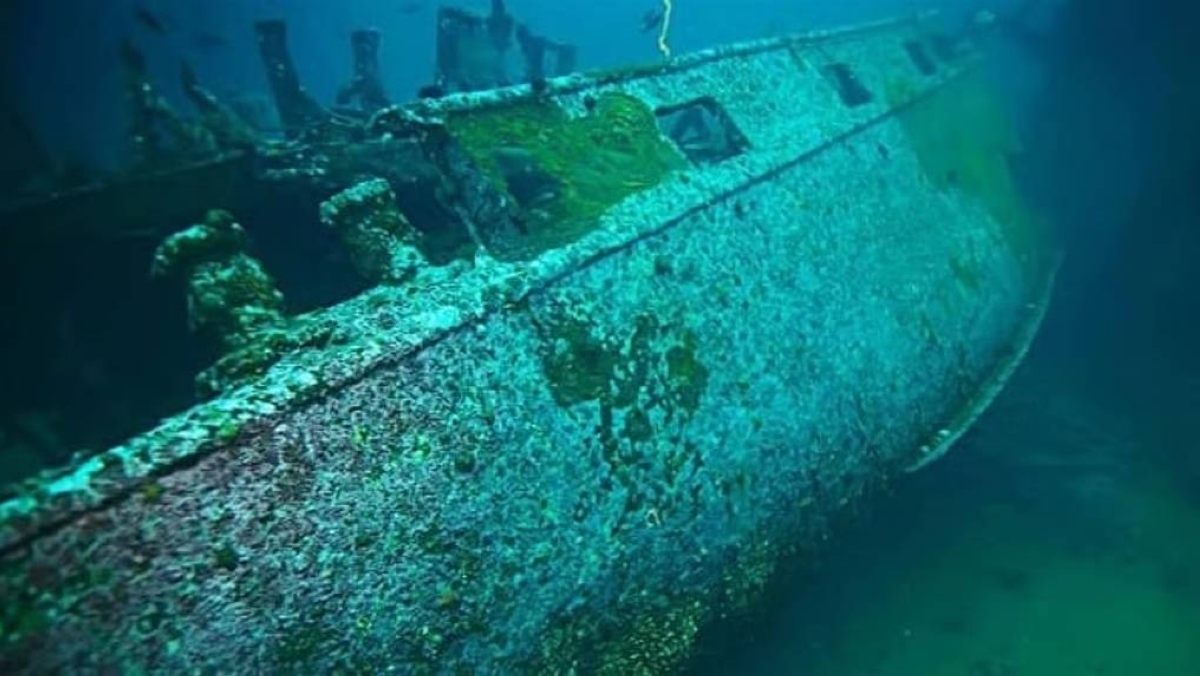
اكتشف علماء الآثار هوية سفينة غرقت بالقرن الثامن عشر في «أوركني» وهي مجموعة من الجزر شمال أسكتلندا.
ويقول الخبراء: «إن السفينة التي اكتشفت في جزيرة سانداي العام الماضي هي من المرجّح (أيرل أوف تشاتام)، وهي سفينة تابعة للبحرية الملكية سابقًا كانت تسمى (إتش.إم.إس هيند)، التي جرى تغيير اسمها لاحقًا بعد إخراجها عن الخدمة بمجرد أن أصبحت سفينة صيد حيتان تبلغ زنتها 500 طن».
وأكملت السفينة بعد تحويلها لسفينة صيد حيتان أربعة مواسم في القطب الشمالي قبل أن تلقى مصيرها بخليج «لوبنس» في مارس 1788، وكانت تحمل على متنها 56 بحارًا وقتها، نجا جميعهم.
وبدأت مؤسسة «ويسيكس» للآثار بالتعاون مع باحثين متطوعين، العمل على معرفة منشأها بعد اكتشافها في فبراير 2024، وجرى الكشف عن حطام سفينة «سانداي» العام الماضي بفعل التغيرات المناخية، حيث أدَّت العواصف المتزايدة وأنماط الرياح غير المعتادة إلى إزالة الرمال التي كانت تخفي الحطام وتحميه لعدة قرون.
Archaeologists have discovered the identity of a ship that sank in the eighteenth century in "Orkney," a group of islands north of Scotland.
Experts say: "The ship discovered on Sanday Island last year is likely the (Earl of Chatham), a former Royal Navy ship that was called (H.M.S. Hind), which was later renamed after being decommissioned and turned into a whaling ship weighing 500 tons."
After being converted into a whaling ship, the vessel completed four seasons in the Arctic before meeting its fate in "Lobens Bay" in March 1788, carrying 56 sailors at the time, all of whom survived.
The "Wessex" archaeological foundation, in collaboration with volunteer researchers, began working to determine its origin after its discovery in February 2024. The wreck of the "Sanday" ship was revealed last year due to climate changes, as increasing storms and unusual wind patterns removed the sand that had concealed and protected the wreck for centuries.